
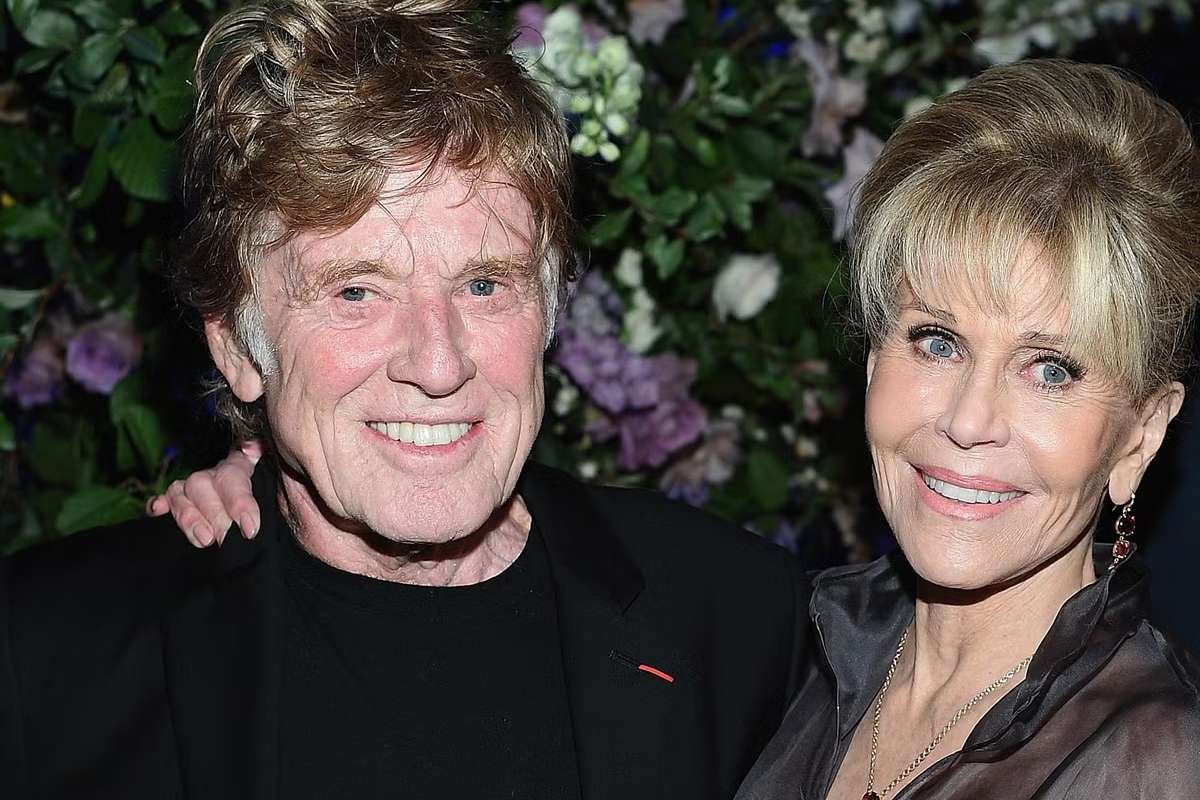
Key Points:
- Jane Fonda felt she was a more fitting choice to honor Redford.
- Barbra Streisand’s tribute was praised for its emotion and nostalgia.
- Fonda’s remarks sparked debate over how tribute presenters are chosen.
The 2026 Academy Awards have ignited an unexpected debate following candid remarks from Jane Fonda regarding the tribute to late Hollywood icon Robert Redford.
Shortly after the ceremony, Jane Fonda openly questioned the Academy’s decision to have Barbra Streisand present the tribute. While her tone was light and conversational, her comments carried an undercurrent of genuine sentiment rooted in her long professional history with Redford.
Jane Fonda and Redford shared one of Hollywood’s most enduring on-screen partnerships, having co-starred in multiple films over several decades. Reflecting on that history, Fonda suggested she might have been a more fitting choice to honor him, given the depth of their collaboration and personal connection.
Her remarks were not framed as criticism of Streisand, but rather as a reflection of her own emotional bond with Redford. Still, the statement quickly gained traction across the entertainment world, sparking conversations about how tribute decisions are made and who gets to represent the legacy of iconic figures.
A Moving Tribute Led by Barbra Streisand
During the ceremony, Streisand delivered a deeply emotional tribute that stood out as one of the evening’s most memorable moments. Marking her return to the Oscars stage after several years, she honored Redford through both words and music, revisiting their shared cinematic history.
Central to the tribute was their acclaimed 1973 film The Way We Were, a project that remains one of the most beloved romantic dramas in Hollywood. Streisand’s performance evoked nostalgia and reverence, reminding audiences of Redford’s enduring appeal as both an actor and storyteller.
Beyond his acting career, the tribute also emphasized Redford’s broader contributions to cinema. He was recognized as a pioneer of independent filmmaking and a mentor to emerging talent, particularly through his work with the Sundance Institute.
The segment painted a portrait of a multifaceted artist, one who not only shaped blockbuster cinema but also championed creative freedom and storytelling beyond mainstream Hollywood. The audience response reflected this legacy, with many describing the tribute as both heartfelt and fitting.
Mixed Reactions and a Broader Conversation
Despite the emotional resonance of the tribute, the Oscars’ In Memoriam segment as a whole drew mixed reactions. While Redford’s legacy was prominently honored, viewers noted that several notable industry figures were absent from the televised montage, leading to criticism on social media and within industry circles.
However, it was Jane Fonda’s remarks that added a new dimension to the discussion. Her perspective shifted attention away from omissions and toward the process of selecting presenters for such tributes. In an industry built on relationships and shared histories, the choice of who delivers a tribute can carry significant emotional weight.
For many, Fonda’s comments highlighted the deeply personal nature of remembrance in Hollywood. Tributes are not just ceremonial; they are reflections of real connections, collaborations, and shared moments that define careers and friendships.
At the same time, the Academy faces the complex challenge of balancing these personal narratives with broader audience expectations. Decisions must account for legacy, visibility, and the emotional tone of the ceremony, often under tight time constraints and intense public scrutiny.
As the conversation continues, one thing remains clear: Robert Redford’s influence transcends any single tribute. Whether remembered through Fonda’s long-standing partnership or Streisand’s poignant performance, his legacy continues to resonate across generations of filmmakers and audiences alike.
Visit CIO Women Magazine for the latest information.