
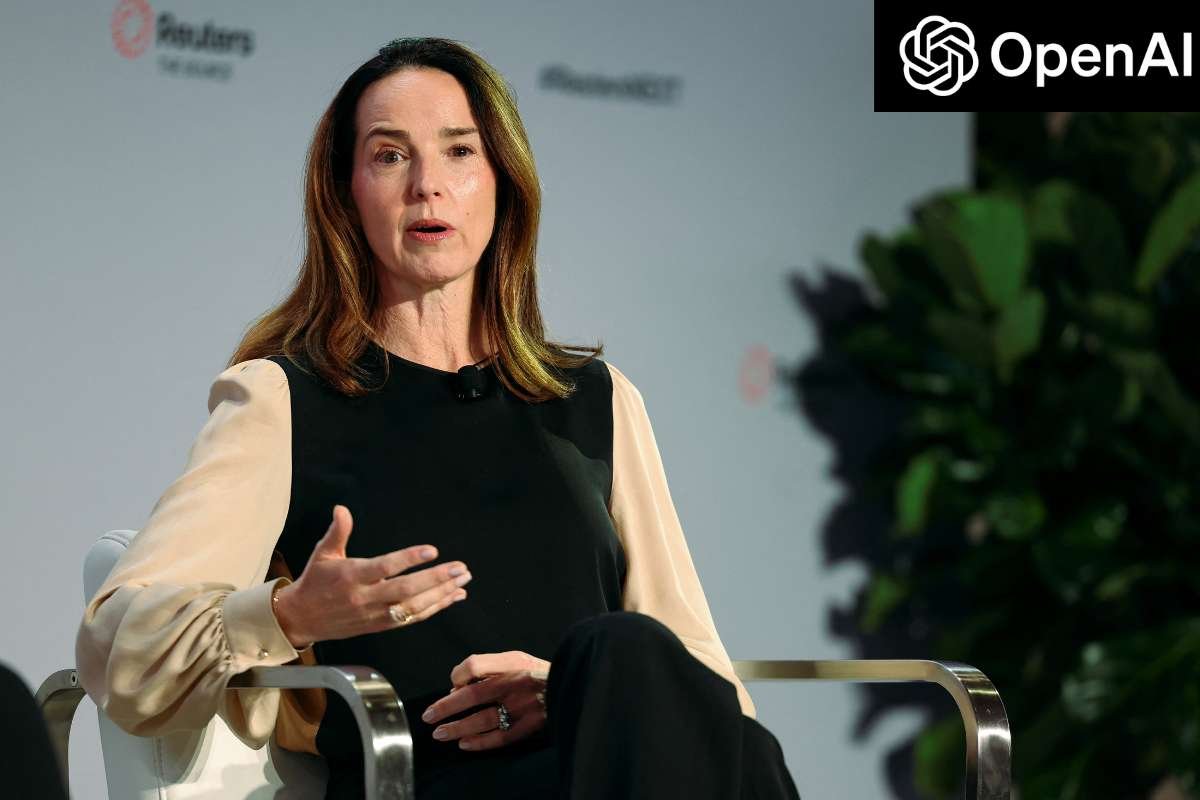
OpenAI’s ambitious plan to launch a public offering by 2026 is reportedly facing internal resistance, with Chief Financial Officer Sarah Friar raising concerns about the timing and readiness of the move. While Chief Executive Officer Sam Altman has been actively pushing for an initial public offering (IPO), internal discussions suggest that not all senior leaders are aligned on the strategy.
Sarah Friar is believed to have cautioned against accelerating the IPO timeline without fully addressing the operational and financial complexities involved. Her concerns reflect the challenges of transitioning a rapidly evolving artificial intelligence company into a publicly traded entity, where transparency, regulatory scrutiny, and investor expectations significantly increase.
There are also indications of internal friction, with reports suggesting that certain financial deliberations may have occurred without full involvement from the finance leadership. This has raised questions about coordination at the highest levels of the organization as it approaches one of the most critical milestones in its history.
Sky-High Valuation Meets Mounting Financial Pressures
The IPO discussions come at a time when OpenAI is experiencing extraordinary growth, alongside equally significant financial demands. The company has attracted massive funding in recent months, pushing its valuation toward unprecedented levels and positioning it among the most valuable private firms globally.
However, this growth is accompanied by escalating costs. The development and deployment of advanced AI systems require enormous computing infrastructure, with long-term spending projections running into hundreds of billions of dollars. These costs include high-performance chips, large-scale data centers, and energy-intensive operations necessary to sustain cutting-edge AI models.
Despite its rapid expansion and widespread adoption, OpenAI is not yet profitable and is expected to take several years before reaching sustainable earnings. This creates a delicate balance. While an IPO could unlock additional capital and validate its market position, it also exposes the company to investor scrutiny over its financial trajectory and long-term viability.
Market analysts suggest that public investors may take a more cautious view of companies with high burn rates and delayed profitability, especially in a volatile global economic environment. As a result, the timing of the IPO could play a decisive role in shaping investor sentiment and overall success.
Strategic Shifts and Leadership Dynamics Add Complexity
Complicating the situation further are recent leadership developments and strategic adjustments within OpenAI. The company has undergone internal restructuring while also navigating temporary gaps in its executive team, adding another layer of uncertainty during a crucial period.
At the same time, OpenAI has begun refining its strategic priorities. Facing constraints in computing resources and operational bandwidth, the company is reportedly scaling back certain experimental initiatives to focus more on core products, including AI assistants and enterprise-driven solutions. This shift highlights a growing emphasis on efficiency and monetization as it prepares for potential public market entry.
Externally, competition in the artificial intelligence space is intensifying, with major technology players accelerating their own advancements. This increases pressure on OpenAI to maintain its leadership position while simultaneously managing internal alignment and financial discipline.
Altman continues to view the IPO as a key step in securing the capital required to drive long-term innovation and global expansion. However, Sarah Friar’s reservations underscore a broader strategic dilemma: whether to prioritize speed in capturing market momentum or ensure stability and readiness before entering the public domain.
For the latest insights, visit CIO Women Magazine.