
Key Takeaway:
- Authenticity drove Hannah Harper’s victory.
- Country and emotional storytelling still resonate strongly with audiences.
- Harper now has major momentum for a breakout music career.
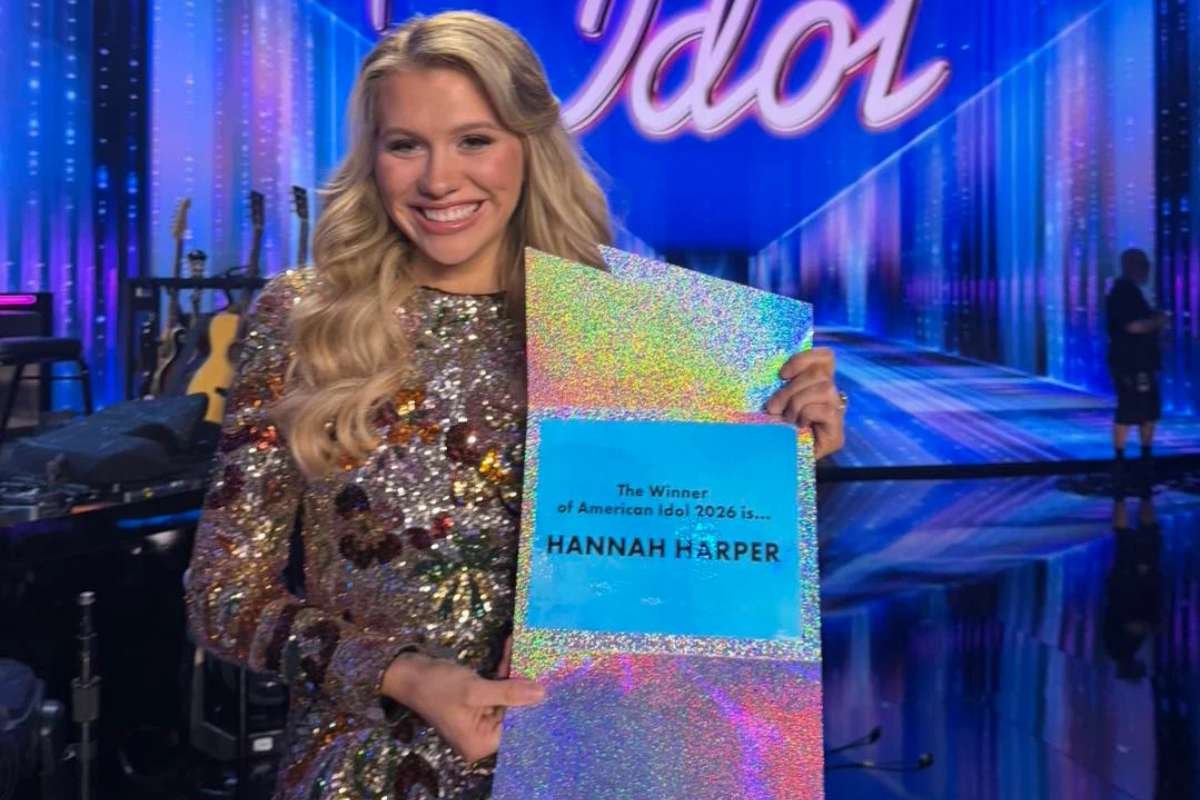
Hannah Harper was crowned the winner of American Idol Season 24 during an emotional live finale that concluded one of the show’s most personal and emotionally driven seasons in recent years. The Missouri native defeated finalists Jordan McCullough and Keyla Richardson after weeks of audience voting, standout performances, and growing nationwide support.
The finale delivered a celebratory atmosphere filled with celebrity appearances, live collaborations, and emotional moments, but Harper’s victory became the defining highlight of the evening. Moments after host Ryan Seacrest announced her name as the winner, Harper appeared visibly overwhelmed as confetti filled the stage and fellow contestants rushed to congratulate her.
She closed the competition with a heartfelt rendition of “At The Cross (Love Ran Red),” a performance that reflected the emotional honesty and faith-driven storytelling that had become central to her identity throughout the season.
Harper first gained national attention during her audition, where she performed an original song inspired by her experience with postpartum depression. The deeply personal performance immediately connected with both the judges and audiences, turning her into an early fan favorite. Her willingness to openly discuss personal struggles brought a level of vulnerability rarely seen in televised singing competitions and helped establish an emotional bond with viewers from the beginning.
Authenticity and Emotional Storytelling Defined Her Season
Throughout the competition, Harper consistently distinguished herself through authenticity rather than elaborate production or dramatic stage theatrics. Her performances often focused on storytelling, emotional delivery, and personal connection, which resonated strongly with audiences watching at home.
As a mother of three who had previously stepped away from musical ambitions to focus on family life, Harper’s journey became one of the season’s most relatable narratives. Viewers embraced her underdog story, especially as she balanced motherhood with the pressures of a national television competition.
Judges repeatedly praised Harper for her sincerity and ability to emotionally connect with songs. Carrie Underwood, in particular, frequently expressed admiration for Harper’s emotional depth and storytelling instincts. Many viewers also noted similarities between Harper’s rise and Underwood’s own journey from small-town contestant to country music superstar.
While finalists Jordan McCullough and Keyla Richardson earned praise throughout the season for vocal power and stage presence, Harper’s consistency and emotional relatability appeared to give her a decisive advantage in audience voting. Social media engagement surrounding her performances remained strong throughout the competition, with clips of her songs generating widespread attention online.
The finale itself reflected the continued popularity of American Idol, featuring appearances from several major artists and special collaborations with contestants. The live event combined entertainment with emotional retrospectives as finalists reflected on their journeys throughout the season.
For many viewers, however, Harper’s victory represented more than simply winning a television competition. Her story became symbolic of perseverance, second chances, and the growing importance of authenticity in modern entertainment.
Harper’s Victory Opens the Door to a Promising Music Career
Following her win, Hannah Harper now enters a new phase of her career with national recognition and growing momentum within the music industry. Industry observers believe her blend of country influences, Christian themes, and emotionally driven songwriting could position her strongly within both mainstream country and inspirational music markets.
Shortly after the finale aired, Harper thanked fans for their support and hinted that new music and live performances could arrive soon. Her growing fan base is expected to follow closely as she transitions from reality television winner to recording artist.
Music industry analysts have increasingly noted that audiences today often gravitate toward artists who feel emotionally transparent and relatable. Harper’s rise throughout Season 24 reflected that shift clearly. Rather than relying solely on technical perfection or flashy performances, she built support through vulnerability, storytelling, and authenticity.
Her success also marked a notable moment for female country artists on the show, drawing renewed attention to the genre’s strong emotional roots and storytelling tradition. Many fans viewed Harper’s victory as a refreshing return to the kind of emotionally grounded performances that originally helped make American Idol a cultural phenomenon.
The conclusion of Season 24 once again demonstrated the franchise’s enduring ability to discover talent capable of connecting deeply with audiences across the country. While the season featured several memorable performers, it was Harper’s emotional honesty and relatable journey that ultimately defined the competition.
From performing an original song about personal struggles during auditions to standing beneath falling confetti as the season’s winner, Hannah Harper completed one of the most compelling journeys the show has seen in years, transforming from a small-town mother with a dream into America’s newest music star.
Visit CIO Women Magazine for the latest information.