Key Takeaway:
- High Voter Turnout Marked Peru’s Election
- Economic Growth Stayed a Key Focus
- Keiko Fujimori’s Comeback Gained Attention
Peru entered a major political moment as citizens across the country took part in a closely watched presidential runoff election between conservative leader Keiko Fujimori and leftist candidate Roberto Sánchez. The election generated widespread attention, with strong voter participation reflecting growing public interest in the country’s economic and political future.
Early estimates suggested a highly competitive contest, highlighting the diverse priorities and viewpoints of Peru’s electorate. Political analysts described the Presidential runoff as one of the country’s most significant elections in recent years because of its potential influence on economic development, investment, and national governance.
Polling stations across Lima, Cusco, Arequipa, and several other regions saw active voter turnout throughout the day. Citizens closely followed live updates and election coverage as Peru moved toward selecting its next president. The atmosphere remained energetic, with both campaigns encouraging democratic participation and unity among supporters.
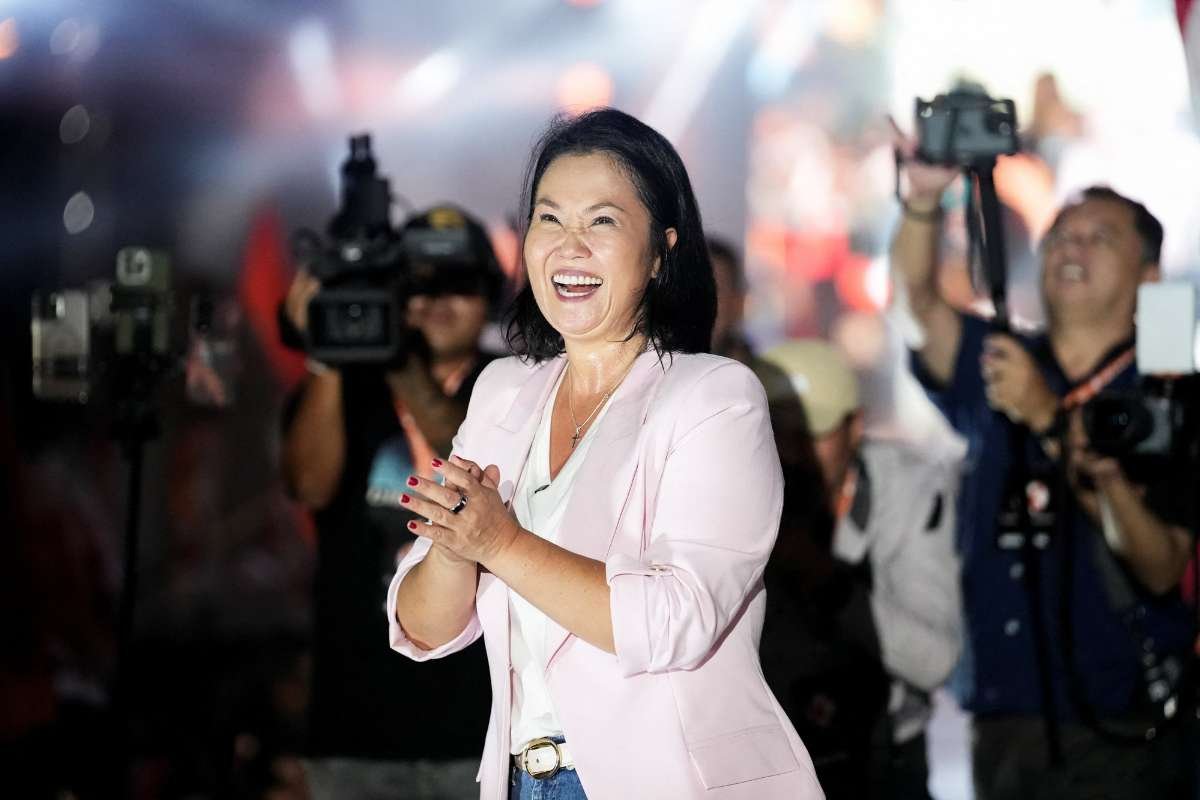
Keiko Fujimori, leader of the Fuerza Popular party, returned to the national spotlight with a campaign centered on economic growth, stability, and modernization. One of Peru’s most recognized political figures, Fujimori entered the runoff after securing strong support during the first phase of voting earlier this year.
At 51, Fujimori remains a major force in Peruvian politics, with supporters viewing her experience and national profile as important strengths during a period of economic transition and institutional change.
Fujimori Campaign Focuses on Growth and Modernization
Throughout the campaign, Fujimori promoted policies aimed at strengthening Peru’s economy, encouraging private investment, and improving public services. Her platform highlighted infrastructure development, entrepreneurship, digital innovation, and job creation as key priorities for the country’s future.
She also emphasized the importance of improving public safety and modernizing government systems through technology-driven initiatives. Campaign proposals included expanding digital services, supporting technical education programs, and encouraging business growth across both urban and regional areas.
Political observers noted that Fujimori projected a message focused on confidence, long-term planning, and national development. Campaign rallies in major cities attracted enthusiastic crowds, with supporters expressing optimism about Peru’s economic opportunities and future growth.
The Fujimori campaign also worked to present a more inclusive and forward-looking image during the election season. Analysts observed that her speeches increasingly focused on unity, cooperation, and economic progress while encouraging greater participation from young voters and entrepreneurs.
Many of her supporters viewed her leadership style as business-oriented and development-focused, particularly in areas related to investment and infrastructure. Peru’s role as one of South America’s leading mining and trade economies also placed additional international attention on the election and its outcome.
At the same time, Roberto Sánchez gained significant momentum through a campaign focused on regional development, social investment, and broader economic opportunities for rural communities. His message resonated strongly with voters seeking expanded access to education, healthcare, and local development initiatives.
Competitive Race Highlights Peru’s Democratic Spirit
The close nature of the presidential runoff reflected Peru’s active democratic environment and the growing involvement of citizens in national decision-making. Experts noted that both candidates successfully energized different sections of the electorate while encouraging discussions around economic growth, governance, and modernization.
International observers also closely monitored the election because Peru remains an important economic player within Latin America. The country’s mining industry, trade partnerships, and investment climate make its presidential elections particularly significant for regional markets and international businesses.
Analysts believe the next administration will likely focus on strengthening investor confidence, supporting infrastructure projects, and expanding opportunities for economic development across the country. Technology, entrepreneurship, and regional connectivity are also expected to become important priorities in the coming years.
Across Peru, the election served as a reminder of the country’s evolving political landscape and strong democratic participation. Citizens from different regions and backgrounds actively contributed to shaping the national conversation, demonstrating the importance of civic engagement in Peru’s future.
As vote counting continued, the presidential runoff stood out as a major moment for Peru’s democracy, showcasing the country’s focus on progress, participation, and long-term development. Regardless of the final result, the election highlighted Peru’s commitment to democratic values and its continued ambition for economic and social advancement.
Read the latest articles and success stories on CIO Women Magazine.