
Key Takeaways
- Christine Lagarde Is Taking a Proactive Stance on Inflation
- The ECB Is Prioritizing Inflation Control Over Growth Risks
- The Rate Hike Could Be the Beginning of a New Policy Cycle
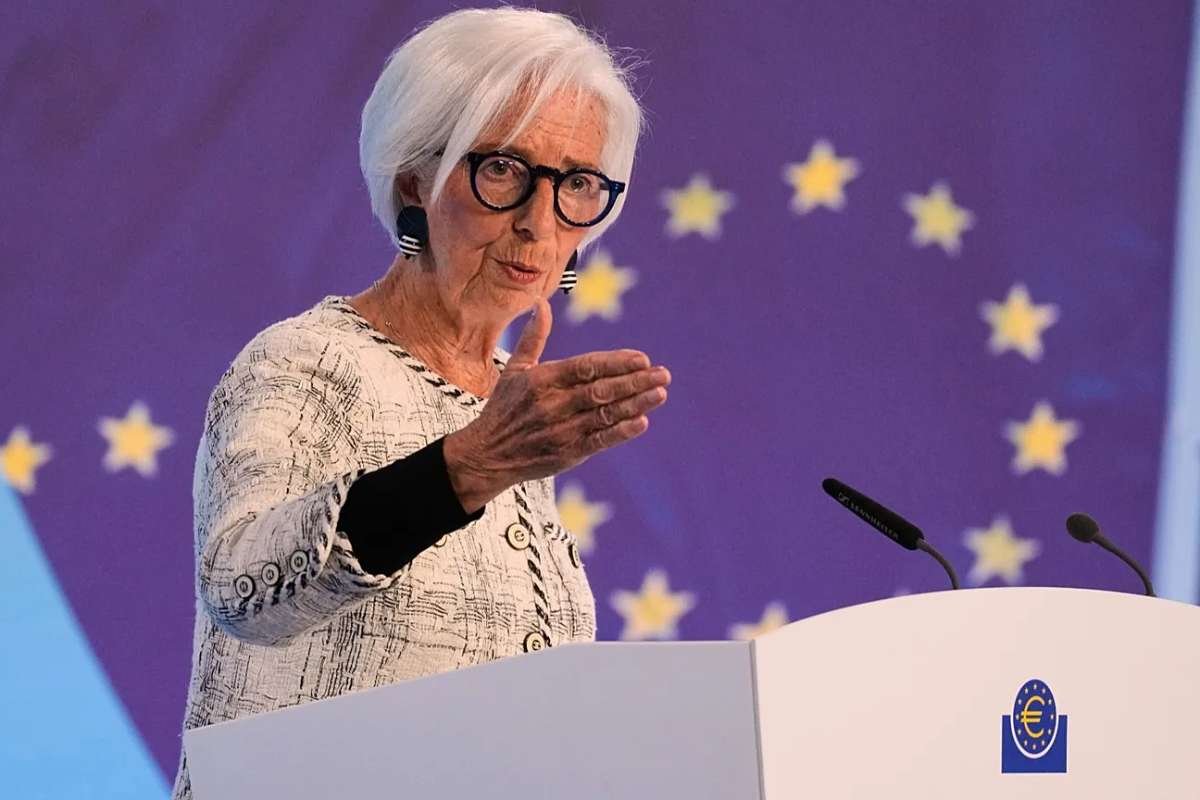
European Central Bank (ECB) President Christine Lagarde has once again found herself at the center of Europe’s economic policy debate after the ECB raised interest rates for the first time in nearly three years. The move marks a significant shift in monetary policy and underscores Lagarde’s determination to keep inflation under control despite mounting concerns about slowing economic growth across the eurozone.
Under Lagarde’s leadership, the ECB increased its key deposit rate by 25 basis points to 2.25%, responding to a recent uptick in inflation driven largely by rising energy prices and geopolitical uncertainty. The decision had been widely expected by markets, but it nevertheless signals a new phase for the ECB after a prolonged period of policy stability.
Speaking after the announcement, Lagarde emphasized that price stability remains the central bank’s primary mission. She warned that inflation risks have increased in recent months and that policymakers cannot afford to allow temporary price shocks to evolve into a broader and more persistent inflation problem.
The ECB’s updated economic forecasts suggest inflation could remain above the institution’s 2% target for longer than previously anticipated. According to Lagarde, this outlook justified a policy response despite signs that economic activity is beginning to slow in parts of the eurozone.
The decision reflects a hallmark of Lagarde’s leadership style: balancing market expectations with a willingness to act when the ECB believes inflation risks threaten long-term economic stability. While the rate increase itself was modest, the message accompanying it was clear: containing inflation remains the ECB’s top priority.
A Difficult Balancing Act for Europe’s Most Powerful Central Banker
The latest policy move highlights the challenge facing Lagarde as she navigates one of the most complex economic environments of her tenure. While inflation has resurfaced as a major concern, economic growth across the eurozone has shown signs of weakening, placing the ECB in a delicate position.
Several indicators point to slowing momentum in the European economy. Business activity has softened in recent months, consumer confidence remains fragile, and companies continue to face uncertainty linked to global trade and energy markets. At the same time, households are still coping with elevated living costs despite earlier progress in bringing inflation down.
Lagarde acknowledged these challenges but argued that allowing inflation expectations to become entrenched would create even greater problems in the future. She stressed that central banks must act decisively when inflation threatens to move away from target levels, even if doing so creates short-term economic discomfort.
Throughout her presidency, Lagarde has often been tasked with balancing competing pressures from supporting growth during periods of economic weakness to tightening policy when inflation accelerates. This latest decision once again places her at the center of that balancing act.
Critics have argued that higher interest rates may have limited effectiveness when inflation is being driven largely by energy prices and external geopolitical developments. However, Lagarde and her colleagues maintain that monetary policy must prevent those external shocks from spreading more broadly throughout the economy via wages and consumer expectations.
Her stance reflects a growing concern among policymakers that inflation, once reignited, can become increasingly difficult to contain if central banks hesitate to act.
Markets Focus on Lagarde’s Next Steps
Beyond the rate increase itself, investors were closely watching Christine Lagarde’s comments for clues about the ECB’s future direction. While she avoided making firm commitments about upcoming meetings, her remarks suggested that policymakers remain prepared to take additional action if inflation pressures persist.
Financial markets are now debating whether the June rate hike marks a one-time adjustment or the beginning of a broader tightening cycle. Much will depend on incoming economic data, particularly inflation readings, wage growth trends, and developments in global energy markets.
Christine Lagarde emphasized that future decisions will remain data-dependent, giving the ECB flexibility to respond as conditions evolve. However, her overall message left little doubt that the institution remains focused on preventing inflation from becoming a longer-term challenge.
For businesses and households, the implications are significant. Higher interest rates are expected to increase borrowing costs, affecting mortgages, corporate financing, and consumer credit. While savers could benefit from improved returns on deposits, the broader economy may face additional headwinds as financing becomes more expensive.
The latest decision also reinforces Christine Lagarde’s role as one of the world’s most influential central bankers. Since taking over the ECB presidency in 2019, she has guided the institution through a pandemic, an energy crisis, historic inflation spikes, and shifting global economic conditions. The renewed focus on inflation now presents another major test of her leadership.
As Europe confronts a period of heightened uncertainty, Christine Lagarde’s policy choices will remain under intense scrutiny. Whether this latest rate increase succeeds in keeping inflation under control without significantly weakening economic growth could become one of the defining chapters of her tenure at the ECB.
Visit CIO Women Magazine for the latest information.