Key Takeaway:
- Caitlin Clark Is Driving the WNBA’s Historic Growth
- Player Safety and Officiating Are Under Intensifying Scrutiny
- The WNBA Faces a Defining Leadership Test
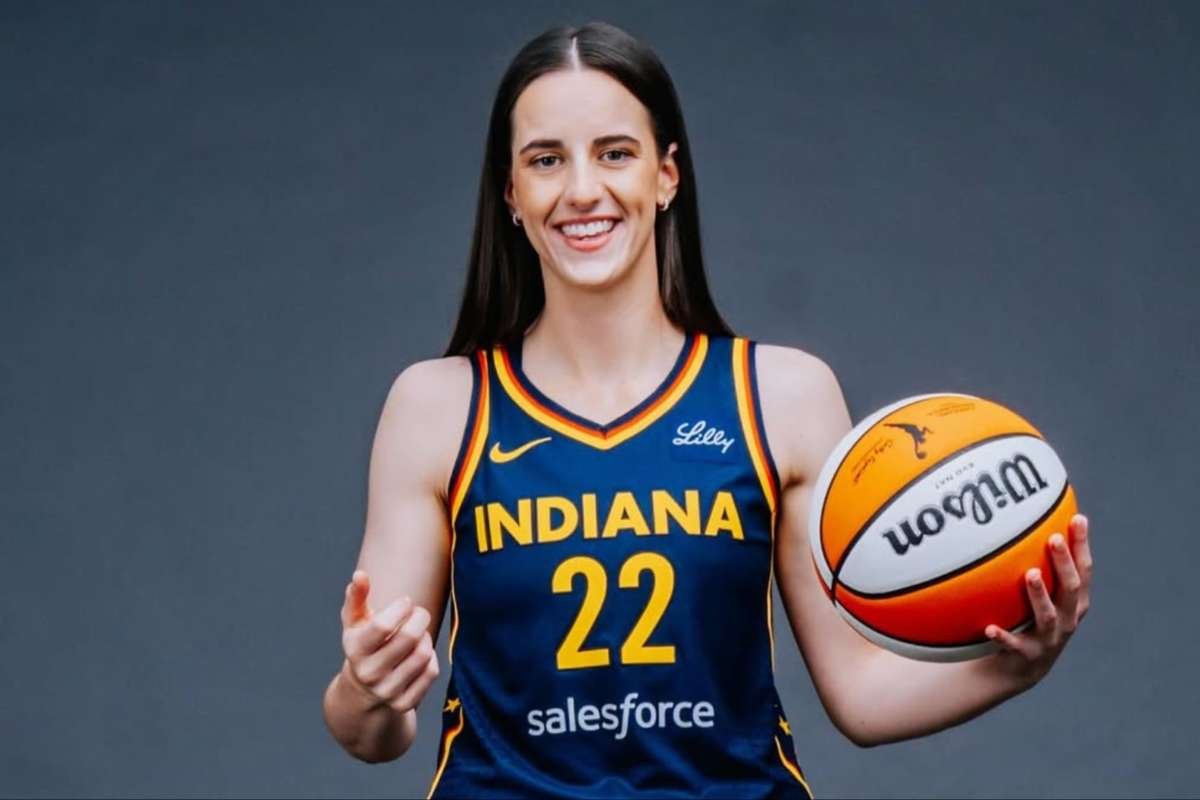
Caitlin Clark’s impact on the WNBA has extended far beyond her performances on the court. Since entering the league, the Indiana Fever guard has become the driving force behind an unprecedented surge in popularity for women’s professional basketball, helping the WNBA reach new commercial and cultural milestones. Record-breaking television ratings, sold-out arenas, soaring merchandise sales, and increased corporate investment have all been linked to what many now describe as the “Caitlin Clark effect.”
Clark has consistently attracted new audiences to the league, with fans packing arenas across the United States whenever the Fever are on the schedule. Several franchises have even shifted games against Indiana to larger venues to accommodate the increased demand for tickets. Broadcasters have also benefited from Clark’s presence, as games featuring the rookie sensation continue to deliver some of the highest television audiences in league history.
The WNBA is experiencing one of the strongest growth periods in its history, and Caitlin Clark has played a central role in that momentum. Her popularity has introduced millions of first-time viewers to women’s basketball while helping expand sponsorship opportunities and strengthen the league’s national profile.
Yet, alongside the celebration of the league’s rapid growth, another conversation has gained momentum, whether the WNBA is doing enough to protect one of its most valuable and marketable players during increasingly physical games.
Physical Play Reignites Debate Over Officiating Standards
Questions surrounding player safety resurfaced after the Indiana Fever’s recent loss to the Phoenix Mercury, a game in which Caitlin Clark endured several hard collisions throughout the contest. One incident involving Mercury veteran Alyssa Thomas drew particular attention after officials allowed play to continue without issuing the most severe on-court penalty.
Indiana Fever head coach Stephanie White voiced her frustration following the game, arguing that Clark continues to absorb excessive physical contact without receiving sufficient protection from referees. White suggested that the issue extends beyond a single matchup, claiming there has been a recurring pattern of inconsistent officiating whenever Caitlin Clark takes the floor.
Following a review of the game, the WNBA upgraded Thomas‘ foul to a Flagrant Foul 2 and suspended her for one game. While the disciplinary action acknowledged that the contact warranted a stronger response, it also fueled criticism that significant decisions are too often made after games rather than in real time.
The incident quickly became one of the most discussed topics across the basketball community. Analysts, former players, and fans debated whether the league’s officiating has kept pace with the growing intensity surrounding games involving Clark.
Many observers emphasized that physical basketball has always been part of the sport and should remain an element of elite competition. However, they also argued that player safety should never be compromised and that consistent rule enforcement is essential regardless of a player’s popularity or status.
The discussion has expanded beyond Clark herself, with many believing that stronger officiating standards would ultimately benefit every player in the league by reducing unnecessary risks while maintaining the game’s competitive balance.
League Faces Pressure to Match Its Commercial Growth with Player Protection
The controversy arrives at a pivotal moment for the WNBA. The league is enjoying unprecedented visibility, stronger media partnerships,s and increasing financial investment as women’s basketball continues to gain mainstream recognition. Much of that momentum has been fueled by Clark’s ability to attract new fans and elevate the sport’s profile beyond its traditional audience.
With expectations rising, many believe the league now faces an equally important challenge: ensuring that its officiating standards evolve alongside its commercial success. Protecting star players, they argue, should not be viewed as granting preferential treatment but rather as enforcing the existing rules fairly and consistently for every athlete on the court.
Supporters of that view contend that safeguarding marquee players ultimately benefits the entire league. Healthy, competitive athletes help maintain the quality of play, strengthen fan confidence, and preserve the credibility of the competition. At the same time, officials must strike a careful balance between allowing physical competition and preventing avoidable or dangerous contact.
The latest controversy has therefore become more than a debate about a single foul or one controversial game. Instead, it reflects broader questions about how the WNBA intends to manage the challenges that come with its rapid rise in popularity.
Visit CIO Women Magazine for the latest business and technology insights.