
Key Takeaways
- India and Japan signed new agreements on AI, defence, clean energy, and economic security.
- Sanae Takaichi’s India visit strengthened bilateral ties with a focus on technology, investment, and resilient supply chains.
- Both nations reaffirmed their Indo-Pacific partnership, expanding cooperation in defence and emerging technologies.
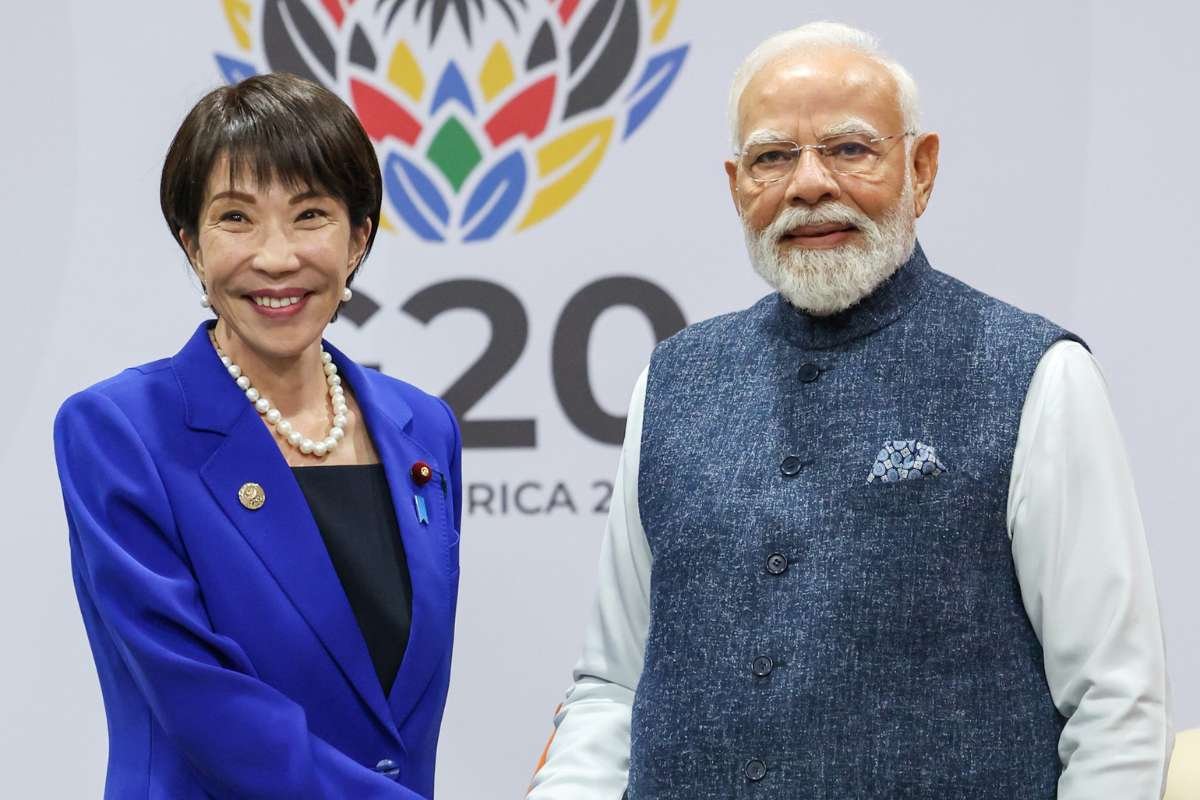
India and Japan have strengthened their long-standing strategic partnership by signing a series of agreements covering artificial intelligence (AI), defence, clean energy, critical minerals, and economic security during the 16th India-Japan Annual Summit in New Delhi. The visit marked Japanese Prime Minister Sanae Takaichi’s first official trip to India since assuming office and highlighted the growing importance both countries place on expanding cooperation amid shifting global economic and geopolitical dynamics.
Prime Minister Narendra Modi and Prime Minister Sanae Takaichi held extensive bilateral discussions before unveiling a comprehensive roadmap aimed at enhancing collaboration in emerging technologies, resilient supply chains, and strategic industries. One of the summit’s most notable outcomes was an agreement to jointly develop defence equipment, signalling a new phase in defence cooperation between the two nations. The move reflects their shared commitment to strengthening security partnerships while promoting indigenous innovation and advanced manufacturing.
Artificial intelligence also featured prominently in the discussions. Both leaders agreed to deepen cooperation in AI research, digital innovation, and next-generation technologies by leveraging India’s rapidly expanding technology ecosystem alongside Japan’s globally recognised expertise in engineering and precision manufacturing. The collaboration is expected to support innovation, improve industrial competitiveness, and create new opportunities for businesses and researchers in both countries.
Another major outcome of the summit was the launch of the India-Japan Bio-Gas Initiative, an ambitious programme that aims to establish nearly 1,000 bio-gas and organic fertiliser plants across India. The initiative is designed to promote clean energy production, improve agricultural sustainability, reduce waste, and contribute to both countries’ climate and energy transition objectives.
Economic Cooperation Gains Further Momentum
Economic collaboration remained a central focus of the summit, reflecting Japan’s position as one of India’s most significant investment and development partners. Over the years, bilateral ties have expanded beyond traditional trade to include infrastructure, manufacturing, digital technologies, mobility, renewable energy, and industrial innovation.
During the summit, both governments introduced a new framework on economic security focused on strengthening cooperation in critical minerals, advanced manufacturing, resilient supply chains, and strategic technologies. The initiative seeks to reduce dependence on vulnerable global supply chains while encouraging greater industrial collaboration and long-term investment.
Japan continues to play a vital role in India’s infrastructure development through several flagship projects, including the Mumbai-Ahmedabad High-Speed Rail corridor. Japanese companies have also steadily expanded their presence across India’s manufacturing, automotive, electronics, and technology sectors, reinforcing confidence in India’s long-term economic growth.
Prime Minister Takaichi was accompanied by a high-level business delegation, underlining the increasing importance of private-sector participation in the bilateral relationship. Discussions during the visit focused on creating new investment opportunities, strengthening industrial partnerships, and accelerating collaboration in sectors expected to drive future economic growth. Both governments also reaffirmed their commitment to fostering innovation, supporting sustainable industries, and encouraging greater business-to-business engagement.
A Stronger Partnership for the Indo-Pacific
Beyond economic and technological cooperation, the summit reaffirmed the broader strategic alignment between India and Japan as key partners in promoting peace, stability, and prosperity across the Indo-Pacific region. Both countries reiterated their shared commitment to maintaining a free, open, inclusive, and rules-based Indo-Pacific while emphasising the importance of international cooperation in addressing emerging security and economic challenges.
The leaders reviewed progress across a wide range of initiatives, including defence cooperation, cybersecurity, digital transformation, infrastructure development, education, and people-to-people exchanges. They also explored ways to expand collaboration in critical and emerging technologies, recognising their growing role in national security, economic resilience, and global competitiveness.
Over the past decade, the India-Japan relationship has evolved into a comprehensive strategic partnership built on shared democratic values, mutual trust, and common economic interests. As global supply chains continue to shift and countries seek reliable strategic partners, both nations are increasingly positioning themselves to work together in addressing regional and global challenges.
The agreements announced during the summit reflect a shared vision for the future, one that prioritises innovation, sustainable development, economic resilience, and stronger security cooperation. With new initiatives spanning AI, defence, clean energy, and critical industries, India and Japan have signalled their intention to deepen collaboration well beyond conventional trade, laying the foundation for a partnership that is expected to play an increasingly important role in shaping the economic and strategic landscape of the Indo-Pacific in the years ahead.
Visit CIO Women Magazine for the latest business and technology insights.