

The strongest women leaders often change a profession by changing the way people inside it think, work, and care. Their influence is seen in safer decisions, stronger teams, and doors held open for those coming next. They pair discipline with empathy and carry responsibility without losing sight of the person affected by every choice. Such leadership grows from judgment, consistency, and the courage to place service above recognition.
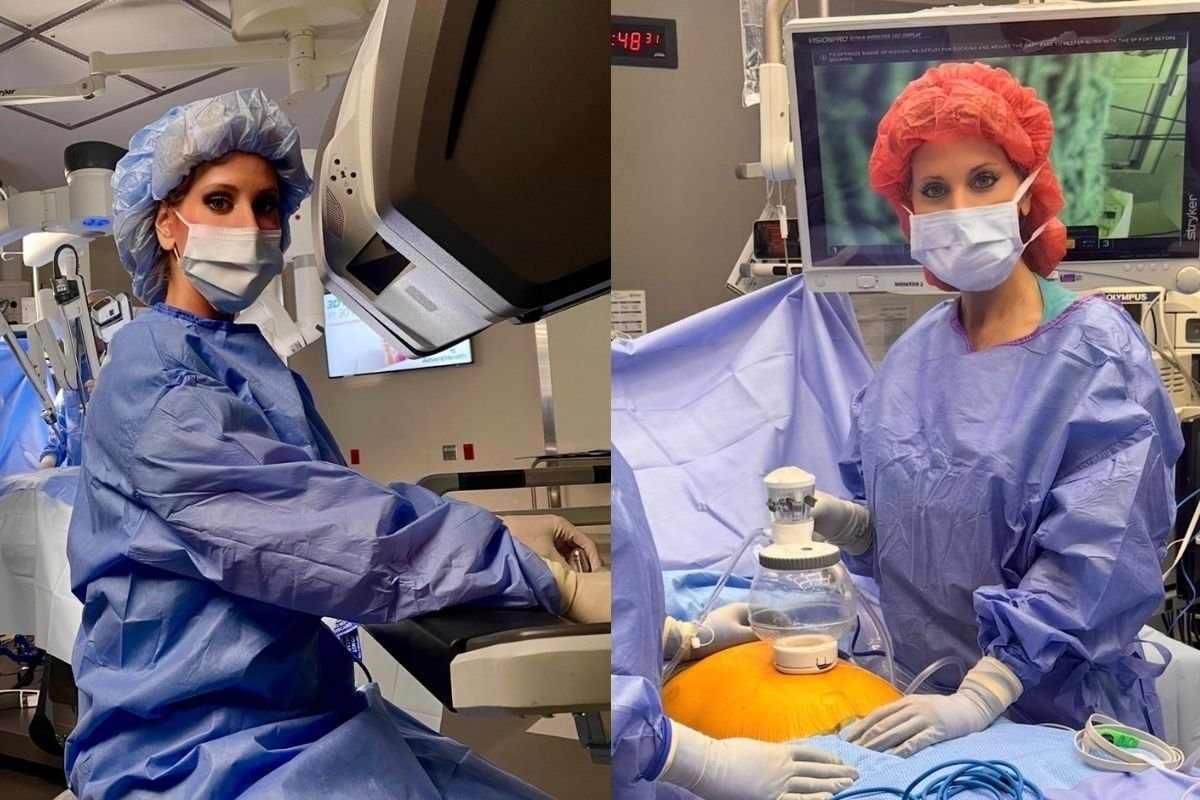
Dr. Sharona B. Ross, MD, FACS (Foregut and HPB Surgeon, University of Central Florida \AdventHealth Tampa) represents that kind of leadership. A foregut and hepatopancreatobiliary surgeon, educator, innovator, and advocate for women in medicine, she has spent nearly two decades where surgical precision meets human vulnerability. Her work in robotic and minimally invasive surgery has expanded what teams can do for patients, while her example has widened what women can imagine for themselves in surgery. She stands among today’s empowering women leaders because she advances science while creating room for others to rise.
Where Technical Excellence Meets Human Care
For Dr. Ross, technical excellence has never been the full definition of a great surgeon. Successful operations matter, but so do the patients who place their lives in a surgeon’s hands, the complications that demand humility, and the mentors, colleagues, trainees, and family members who restore perspective after difficult days.
Her career in foregut and HPB surgery has strengthened one central belief: innovation and compassion must move together. Robotics, digital platforms, advanced imaging, and new operative techniques can change what is possible, yet none can replace judgment, empathy, or the bond between surgeon and patient. She measures progress by outcomes. A new method must make surgery safer, improve recovery, or give patients a better quality of life.
That standard also shapes how she speaks with patients. She wants each person to understand the options, feel heard, and take part in decisions about treatment. Data may inform care, but trust is built through honesty, time, and respect.
Leading Across Surgery, Education, and Innovation
Dr. Sharona B. Ross’s leadership reaches across clinical practice, education, professional societies, and program building. She serves as a professor of surgery at the University of Central Florida College of Medicine and holds leadership roles within AdventHealth Tampa’s Digestive Health Institute. Her responsibilities include minimally invasive robotic surgery, surgical endoscopy, the GERD and Esophageal Cancer Center, the Pancreatic Cancer Center, and the Advanced Foregut and HPB Surgical Fellowship.
She served as president of the Society of Robotic Surgery in 2024 and as president of the Society of Laparoscopic and Robotic Surgeons in 2025.
Still, titles are not how she defines influence. She sees leadership as the ability to listen before speaking, build agreement without seeking control, and help capable people perform at their best.

Building Better Outcomes Through Collaboration
Complex surgery is never the work of one person. Dr. Ross has spent her career working with gastroenterologists, oncologists, radiologists, pathologists, anesthesiologists, nurses, advanced practice providers, engineers, data scientists, educators, hospital leaders, and industry partners.
Each discipline sees the patient from a different angle. When those perspectives meet around a clear goal, better solutions emerge. That has been especially important in robotic surgery and digital surgery initiatives, where introducing a tool is often easier than building trust around its use.
Teams need clear communication, honest discussion, and the freedom to raise concerns. They also need leaders who welcome questions instead of treating them as resistance. Her approach gives every participant a role in shaping the work, including voices that may otherwise be overlooked.
She teaches young surgeons that collaboration is a clinical skill, not a secondary trait. The future physician must work across specialties, communicate with care, and remain steady when change arrives faster than certainty.

When Leadership Means Knowing When to Pause
One of Dr. Sharona B. Ross’s most difficult leadership moments came while expanding minimally invasive approaches in complex foregut and HPB surgery. Some outcomes fell short of expectations. Continuing would have preserved momentum, but pausing offered the safer path.
She chose to step back, reassess, and recalibrate. The decision required open conversations with surgeons, anesthesiologists, nurses, and administrators about what was working and what needed to change. Those discussions carried professional and emotional weight, yet they allowed the team to examine results without assigning blame.
The experience sharpened her understanding of accountability. Setbacks do not define a team, but the response to them reveals its culture. Patient safety had to come before pressure, reputation, or speed. Transparency became the basis for trust, and collective ownership became the route to improvement.
For Dr. Ross, resilience is not the refusal to stop. It is the wisdom to pause, learn, and return with better judgment.
Preparing the Next Generation of Surgeons
Education is one of the deepest threads in Dr. Ross’s career. She has taught medical students, residents, fellows, and practicing surgeons from many parts of the world. Through that work, she has come to see the next generation as medicine’s most lasting measure of impact.
She expects high standards, but she places character beside technical skill. Patients may never know how elegant an operation was. They will remember whether the surgeon treated them with dignity during a frightening moment.
Dr. Sharona B. Ross believes surgical education is entering a major transition. The familiar apprenticeship model can no longer carry the full burden of preparation. Future surgeons will need to understand artificial intelligence, robotics, data science, digital workflows, and precision medicine while retaining clinical judgment.
She envisions training that is continuous, personalized, and based on demonstrated competence. Simulation, digital twins, immersive learning, and objective performance measures can identify individual needs and provide focused feedback. These tools can make learning safer and more precise, but they must be used to support growth rather than create fear or surveillance.
Artificial Intelligence as a Surgical Partner
Dr. Ross sees strong potential in artificial intelligence across the surgical journey. Before an operation, it may help combine imaging, medical history, genomics, and outcomes data to estimate risk and guide patient selection. During surgery, intelligent systems may improve awareness, support navigation, and warn teams about possible complications. Afterward, predictive tools may help identify patients who need earlier intervention.
Artificial intelligence should assist the surgeon, never replace responsibility. Algorithms cannot fully understand a patient’s values, family circumstances, or tolerance for risk. The clinician must retain final judgment.
Clinicians should know how systems were developed, tested, and applied. Bias in datasets must be addressed so technology does not deepen unequal care. Privacy, security, real-world validation, and clear accountability are equally necessary.
For education, artificial intelligence can assess technique and provide tailored feedback. Used well, it can move training from time served toward skill achieved. Used poorly, it can reduce people to scores. Ross insists that every dataset represents a human life and every recommendation carries consequences for a family.
The Future of AI in Surgery
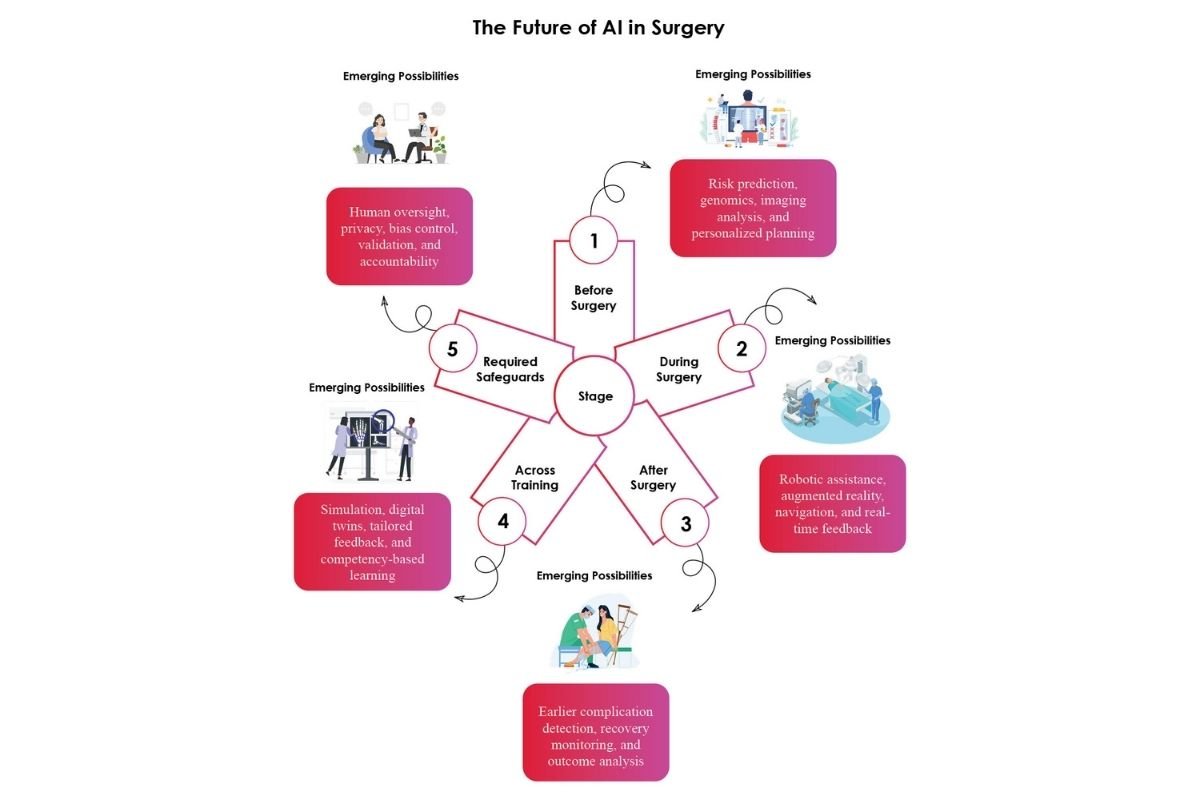
| Stage | Emerging Possibilities |
| Before Surgery | Risk prediction, genomics, imaging analysis, and personalized planning |
| During Surgery | Robotic assistance, augmented reality, navigation, and real-time feedback |
| After Surgery | Earlier complication detection, recovery monitoring, and outcome analysis |
| Across Training | Simulation, digital twins, tailored feedback, and competency-based learning |
| Required Safeguards | Human oversight, privacy, bias control, validation, and accountability |
Preparing for the Next Era of Surgery
Over the next five years, Dr. Sharona B. Ross expects foregut and HPB surgery to be reshaped by advanced robotics, better visualization, stronger haptic feedback, real-time navigation, augmented reality, and precision medicine. Genomics may improve patient selection, while digital surgery platforms may allow teams to study every operation and learn from outcomes continuously.
She is preparing colleagues and trainees through simulation, structured training, and work with engineers and data scientists. New systems require careful testing, reflective practice, and the willingness to change course.
She supports partnerships among academic institutions, technology companies, clinicians, policymakers, global health groups, and philanthropic organizations. Such collaborations can improve robotic and digital surgery platforms, develop objective performance measures, and expand access to surgical education across geography.
Dr. Ross also wants innovation to reach patients beyond well-resourced centers. Progress loses meaning when access remains narrow. For her, research must serve clinical need, support clinicians, and strengthen the systems surrounding care.
Leading Change for Women in Surgery
As a woman in one of medicine’s most demanding specialties, Dr. Ross has faced structural, cultural, and personal barriers. Her response has been rooted in resilience, intellectual humility, and purpose. She does not treat empathy as a weakness or feel compelled to copy a narrow model of authority.
In one multidisciplinary setting, urgency and technical concerns initially dominated a difficult decision. Ross slowed the discussion and invited views that had not been heard. The broader conversation revealed factors the group might have missed and led to a more considered result.
Influence does not require being the loudest person in the room. It can come from listening closely, recognizing exclusion, and guiding people toward a fuller understanding of the issue.
Her view of women’s empowerment extends beyond representation. Women need mentorship, sponsorship, institutional support, fair promotion pathways, equitable parental leave, and career structures that account for personal responsibilities. Presence at the table matters, but authority, resources, and the freedom to lead authentically matter just as much.

Creating Opportunities Through Mentorship and Innovation
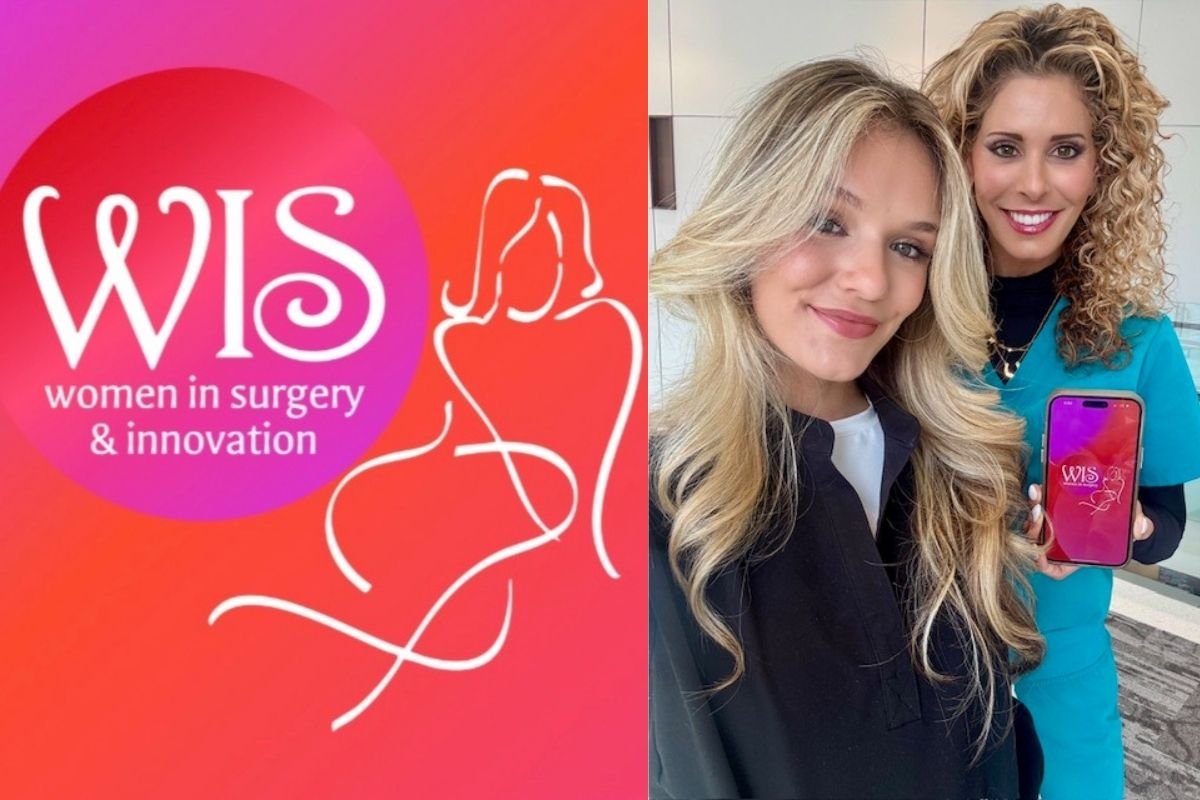
Dr. Sharona B. Ross has turned that belief into action through the Women in Surgery and Innovation app, created to connect women across specialties and geographies. The initiative gives members space to exchange knowledge, find mentors, celebrate progress, and navigate challenges together.
Mentors offer guidance, while sponsors advocate for talented women in rooms where opportunities are decided. Both are needed if advancement is to become intentional rather than accidental.
Her message to women entering healthcare is clear: trust their voice, protect their humanity, and resist the pressure to fit an outdated image of leadership. They should support peers and make the path easier for those who follow.
Lasting change depends on institutions and colleagues sharing responsibility for fair systems. When women participate fully in decisions, teams gain wider perspective, research questions improve, and patient care becomes more thoughtful.
A Legacy Defined by Compassion and Progress

Recognition as one of the most empowering women leaders carries responsibility for Dr. Ross. She hopes her work leads to safer surgery, more personal care, stronger educational systems, and wider access. She wants colleagues and trainees to feel able to question, create, and lead with integrity.
Her advice to emerging surgeons begins with humanity. Excellence must never outrun compassion. Technology should be welcomed, but each advance must answer a simple test: will it genuinely help patients?
She urges physicians to remain lifelong learners and to accept that uncertainty, disappointment, and failure will be part of the profession. Growth comes from reflection, adaptation, and the courage to begin again with better insight.
Above all, Dr. Sharona B. Ross asks future leaders to remember the person behind every scan, result, and operation. Patients may forget technical details, but they remember whether they felt seen and respected. That truth holds her many roles together. For Dr. Ross, surgical precision gains meaning only when guided by purpose.