
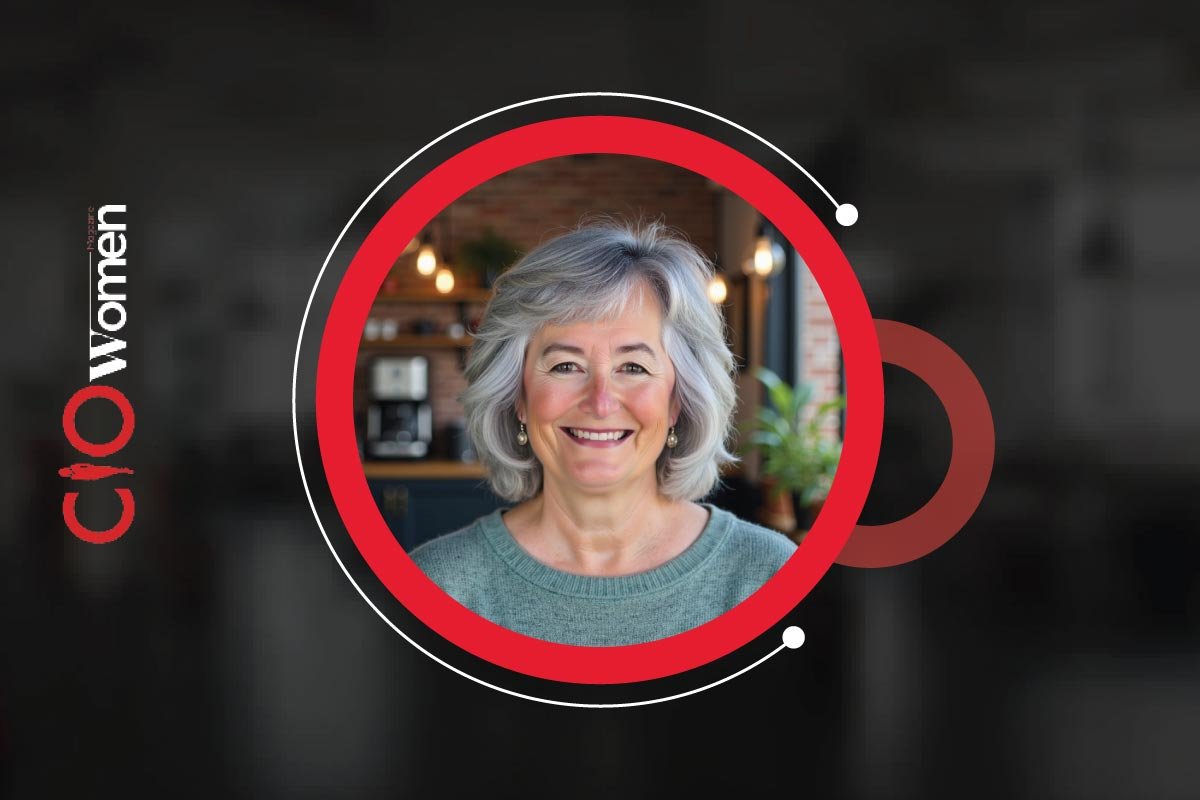
Healthcare stands at a critical crossroads, caught between rapid technological advancement and the erosion of the human touch that has always defined compassionate care. While hospitals embrace AI and data-driven models, patients still crave connection, trust, and someone who truly listens. It is within this tension that Jennifer White, a Retired Registered Nurse transitioning into a Medical Thriller Author behind Jenny White Books Inc., has found her purpose. She is doing something radically different, using fiction to expose the unspoken truths of a system she served for decades.
With hands-on experience spanning floor nursing, ICU/Trauma, public health, and healthcare administration, Jenny has witnessed both the beauty and the brokenness of healthcare from the inside. Now, through her bestselling Abbey Roberts series and her upcoming TV talk show, she is sparking the difficult conversations that boardrooms and policy tables often avoid: staffing crises, ethical dilemmas, and the cost of losing human connection.
Having survived a brain tumor that nearly claimed her life, she embodies resilience in its truest form, and Jennifer White journey from nurse to author to keynote speaker is not just reinvention; it is a continued commitment to serving others. In this exclusive cover story, she shares the milestones, lessons, and convictions that define her remarkable path.
From the Bedside to the Bestseller List
The most recent turning point in this leader’s professional journey has been the publishing and release of Book 2 of the Abbey Roberts series, titled “Terror at the Manor.” This new installment takes Abbey into a setting deeply familiar to the author, who once worked extensively as a Director of Care running nursing departments in nursing homes. That firsthand experience brings authenticity and emotional depth to the narrative.
The book serves a dual purpose on the surface: it entertains readers with a gripping story, but beneath the fiction lies a deliberate intention to highlight the more challenging and realistic outcomes that can occur in nursing homes, from theft and abuse to the tragedy of murder. These are not sensationalized details but reflections of real vulnerabilities within the system.
Through this series, the author aims to bring difficult and unspoken truths about healthcare into public view. The goal is not merely to tell a story but to raise genuine concern, spark meaningful discussion, and inspire outcomes that are both effective and strategic. Writing has become an extension of advocacy, allowing continued service to the healthcare community by challenging the status quo and demanding better for those who cannot always speak for themselves.
Where Healthcare Must Change Course
Drawing from four decades of frontline and administrative experience, this leader highlights three pressing concerns shaping the future of healthcare.
- Staffing and the Erosion of Skilled Care: Some countries today take Registered Nurses for granted. Forty years ago, RNs were the frontline staff, but now most frontline staff are personal support workers or nursing aides who are vital team members, but they should never be the backbone of a working unit. RNs have been pushed into supervisory roles, overseeing care delivered by others, while unregulated staff often provide medications without the knowledge or experience to respond if something goes wrong, a recipe for disaster that should be stopped.
- The Business Model of Healthcare: Healthcare, particularly in some countries, is run as a business. Cost restraints and rules lead to a lack of resources, including staffing. Meanwhile, large bonuses are awarded to CEOs who demonstrate cost-cutting by slashing staffing or placing less qualified staff on the floor. Quality care suffers while executives are rewarded. Those bonuses need to be reinvested at the patient level, not the corporate level.
- The Rise of AI Technology: As AI advances, care delivery will change. Robots may deliver care, surgeries could be performed remotely, and decisions made by bots rather than people. However, there will never be a replacement for the human touch, the emotional bond nurses share with patients, or the instinct seasoned staff possess when something is about to go wrong. AI operates on programming and algorithms and will never replace humans in this profound manner.
Lessons That Shaped a Leader

There are moments in every nurse’s career that leave an indelible mark, shaping how one cares for patients and leads others. When she was still at the staff level, Jennifer White heart was set on trauma/ICU, a world she adored, but she quickly realized that loving the work wasn’t enough. To do it properly, she needed certification specific to ICU, which meant more money, time, and sacrifice. Yet it was not only necessary; it was expected. That experience planted an unshakeable belief: lifelong learning is a must to excel at anything.
As an administrator, she discovered a different kind of education, one that came not from textbooks but from the people around her. Her staff became her greatest asset, bringing critical thinking, problem-solving, and strategic ideas born from lived experience, and she learned to work alongside them, listen, truly hear them, and help bring their ideas to life.
The most defining moment came when a CEO instructed her to target specific staff for discipline to find them making mistakes, but she refused, recognizing this would create a toxic workplace and was both cruel and unnecessary. Leaving that facility, Jennifer White reinforced her belief that leadership must be rooted in fairness, respect, and an unwavering commitment to the people who do the work.
Trust as the Foundation of Care

There is a reason trust is woven so deliberately into Jennifer White medical thrillers. When someone enters the healthcare system, they are often unwell, frightened, and sometimes traumatized, and in those moments, trust becomes the backbone of a good system and outcome. Without trust, everything breaks, which is why transparency and public investigation must follow when things go wrong; every near miss is a lesson to be learned by all.
In her own practice, she understood that trust cannot be built from behind a desk. A good administrator must be available to be spoken to directly about concerns and must do everything possible to improve outcomes, so she made a simple but powerful commitment: she saw every patient, every single day, talking to them directly, speaking to their families, and communicating openly with staff. That daily presence created something no policy could replicate: a genuine sense of being seen and heard.
Communication, she believes, is what balances clinical excellence with compassion, advocacy, and ethics, but it does not end there, as excellence must be continually renewed through retraining, upgrading skills, and encouraging lifelong learning. Trust is not a one-time achievement; it is earned daily through action, presence, and transparency, and for her, trust is the very thread that holds quality care together.
Serving Beyond the Bedside
Though retired from the active healthcare system, this leader has not stepped away from her commitment to improving outcomes. As a retired nurse, she channels her decades of experience into writing, using storytelling to increase awareness of critical issues, incite meaningful discussion, and share ethical situations that deserve public consideration. Her books are more than entertainment; they are a continuation of her advocacy.
Beyond writing, she remains deeply rooted in her local community as a proud Rotarian. Through this work, she actively contributes to initiatives that increase food access for those in need, provides educational and literacy-focused children’s books locally, and participates in town halls where she offers feedback on pressing healthcare issues. These efforts reflect her belief that healthcare extends far beyond hospital walls; it lives in the strength and well-being of the community itself.
Retirement has not dimmed her purpose; it has simply given her new tools to pursue it. Whether through the written word or community action, her passion remains unchanged: to advocate for better understanding, better systems, and better care for all.
The Night That Changed Everything
Every healthcare professional carries at least one story that never leaves them a moment that tests their resilience, judgment, and humanity. For this leader, that moment came early in her career when one of her regular patients was a man in his 60s living with ALS. He required total care, including feeding, yet remained fully alert and oriented, speaking with her during his daily routines. Isolated in a private room and designated a full code against his wishes, he could only speak and move his head, and his time was clearly drawing near.
Occasionally, his ventilator would spontaneously disconnect from his tracheotomy tube, triggering a loud alarm, and someone would rush to reconnect him many times; that someone was her. Each time, he would look at her with desperate eyes, begging her to let him die and pleading with her not to reconnect him, but she had to, as the law left her no choice. There were nights she would leave his room in tears, knowing she was prolonging his suffering until his body completely failed.
Even though she followed the rules, she felt she had failed him as a fellow human being. That experience taught her that leading with confidence and compassion sometimes means sitting with impossible choices, and true advocacy often begins by questioning the very systems we are asked to uphold.
New Ventures with a Purpose
Looking ahead, Jennifer White plans are not centered on traditional healthcare partnerships, but on something far more personal and far-reaching: storytelling. She intends to continue writing medical thriller fiction because it is a world she knows intimately, one so intrinsic to who she is that the stories simply must be shared. For her, there are endless narratives to be crafted, each rooted in truth and capable of continuing the discussions society desperately needs to have, such as end-of-life care, a subject too often avoided yet touching every life eventually.
Her vision extends beyond the page as well. She is set to host a TV talk show out of Hollywood in collaboration with The McCord List network, titled “Inside the Story: Confidential,” which will focus on stories and the people who bring them to life. Through interviews with fellow authors, actors, and publishers, viewers will gain insight into famous characters and explore why society cherishes those stories so deeply.
These plans may not look like traditional healthcare initiatives, but they align perfectly with Jennifer White long-term vision. By using fiction and media to spark conversation, challenge perspectives, and humanize complex issues, she is creating a new kind of advocacy that reaches beyond hospital walls and into the hearts and minds of the public. For her, storytelling is not a departure from healthcare; it is an extension of it.
Where Technology Meets Humanity

With humility, she admits she is far from an expert on the rapid technological shifts reshaping healthcare, but her perspective is grounded in decades of lived experience and a deeply personal encounter with the system. AI and robots will never compete with the human connection that people who are unwell and frightened desperately seek. Having herself been a brain tumor surgery patient, she remembers needing those kind, soft words, the hand holding, the jokes, and the encouragement from staff no robot could ever replace that bond.
That said, she recognizes a meaningful role for AI in teaching, providing education, and perhaps even answering difficult questions. Remote healthcare is better than no healthcare, but it carries limitations, as do other advances like surgery performed from afar. The path forward requires caution and a conscious effort to find balance as innovation accelerates.
Data, in Jennifer Whiter view, is a powerful tool that, when used wisely, assists in decisions and policy development, but like most tools, it can be manipulated and used in negative ways. A stark example unfolded during COVID, when reports displayed death counts minute by minute; while this portrayed the gravity of the situation, it also struck fear and panic into many. For her, the lesson is clear: technology must serve humanity, not overwhelm it, and the future of nursing will depend not on replacing the human touch, but on ensuring technology enhances it without ever diminishing its value.
Hope, Resilience, and the Will to Serve
At the heart of everything she does lies a simple yet powerful legacy: serving others. By openly sharing Jennifer White journey of trauma and reinvention after a brain tumor nearly claimed her life, she hopes to instill in others the concepts of hope, resilience, and possibility. Her story is not merely a personal victory, but a message intended for anyone who feels lost or defeated.
Her lived experience is a testament to that message. From her years in nursing to retirement, through brain surgery, a coma, the loss of her ability to walk and talk, and fading memories, she emerged transformed into a bestselling author, keynote speaker, and TV host. If even one person who is despondent and overwhelmed by helplessness finds strength in Jennifer White story and realizes they still hold control over their own life, then her efforts have truly mattered.
Through Jennifer White books, she seeks to entertain; through her speaking, to inspire; and through Jennifer White voice to spark meaningful dialogue and challenge societal expectations. Her legacy will not be defined by titles or recognition, but by the lives she touches and the important conversations she begins. She hopes to be remembered as someone who never stopped serving, someone who proved that even after the darkest chapters, new ones can still be written.
Women’s Corner: A Journey of Growth and Grit

Shaping Confidence and Leadership
My confidence and leadership style grew slowly, shaped by a career rich with diverse experiences in floor nursing, ICU/Trauma, public health, and administration, each role adding a new layer to who I am professionally. A deep commitment to lifelong learning kept me informed, challenged, and always an active participant in my own growth. I found strength in a strong mentor, studied key strategists, and read everything I could get my hands on, but most importantly, I learned to find common ground with my staff by talking, listening, truly hearing, and working alongside them. Every day, those moments of connection taught me more than any textbook ever could.
On Barriers and Biases
When asked if I ever faced barriers or biases because of gender, my answer is simple: no, not due to gender. The barriers I encountered were tied to not yet having the expertise I needed, and overcoming them required research, commitment of both time and finances, and the sheer will to push forward. It was never about being a woman; it was about being prepared.
On Balance and Burnout
I admit I worked more than I should have, at the expense of my children, and I carry that with me. Running nursing departments meant being on call 24/7, never truly getting away from work, a reality that is unhealthy, unrealistic, and stressful for the entire family. Institutions and policymakers must make changes if they wish to keep qualified people, because we cannot keep asking people to give everything and then wonder why they burn out. The system cannot demand sacrifice without offering support.