

A client meeting is scheduled over lunch at a quiet restaurant. One professional arrives early, greets everyone warmly, and waits for seating cues. Conversation flows easily because no one feels rushed or interrupted.
A team arrives late to a business lunch and offers no apology. Seating becomes awkward as people pull chairs without waiting for guidance. Conversation feels forced and keeps getting interrupted. The lunch ends without clarity or closure.
Ever wondered why some business lunches feel smooth and others awkward? Business lunch etiquette can make all the difference. How you greet, converse, and even handle your utensils sends a message about professionalism and respect. Knowing the right manners helps you leave a positive impression, build stronger connections, and navigate corporate dining with confidence.
In this article, we will identify the key tips and practices that ensure your next business lunch goes off without a hitch.
The 18 Essential Business Lunch Etiquettes to Master for Every Professional Meeting
Whether you are leading the meeting or attending, understanding these key behaviors can turn a simple meal into a meaningful business opportunity. Mastering these etiquettes ensures smooth conversation, strong impressions, and productive outcomes at every professional lunch. We have divided this article into business lunch etiquette to be followed by both the host and the attendee during the different parts of the lunch.
A. Business Lunch Etiquette for the Host
Hosting a business lunch goes beyond choosing a restaurant. These business lunch etiquette help hosts set the tone, manage comfort, and guide the meeting with confidence.
I. Before the Lunch
Strong etiquettes start long before anyone sits at the table. Early planning shapes how smooth, focused, and professional the lunch feels.
1. Choose the Right Restaurant
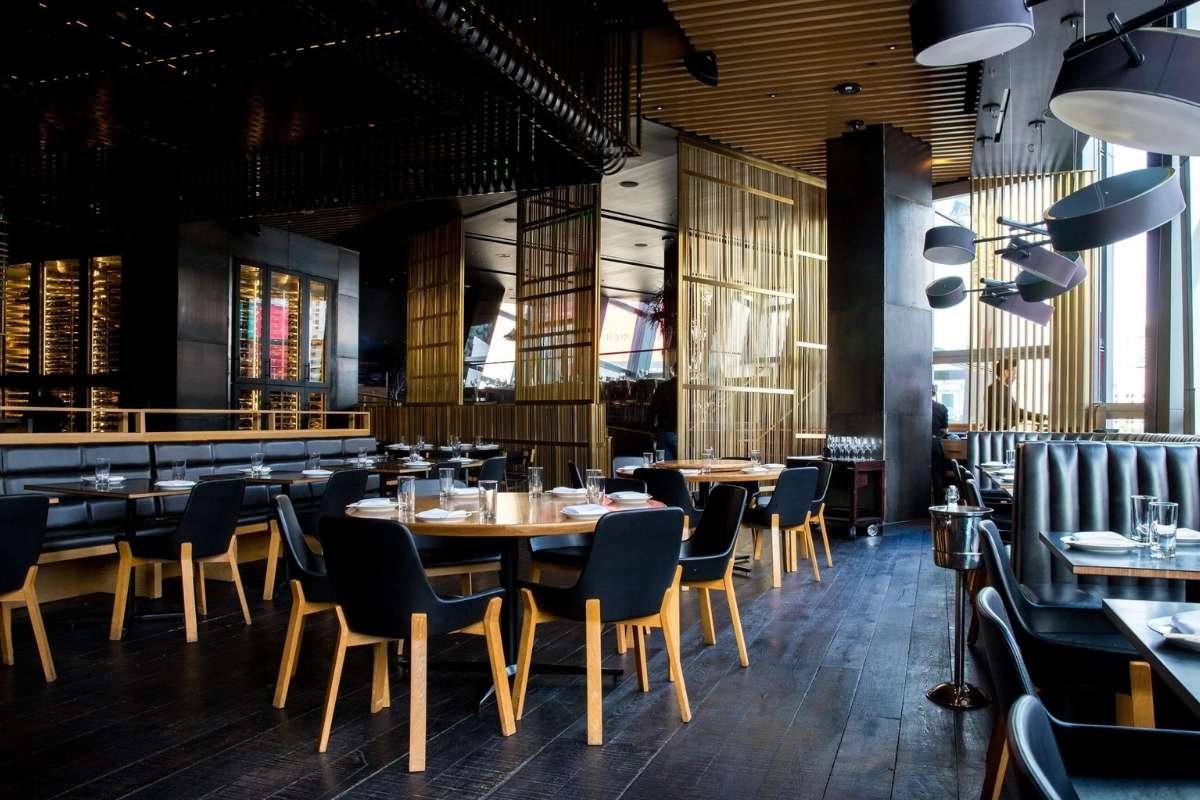
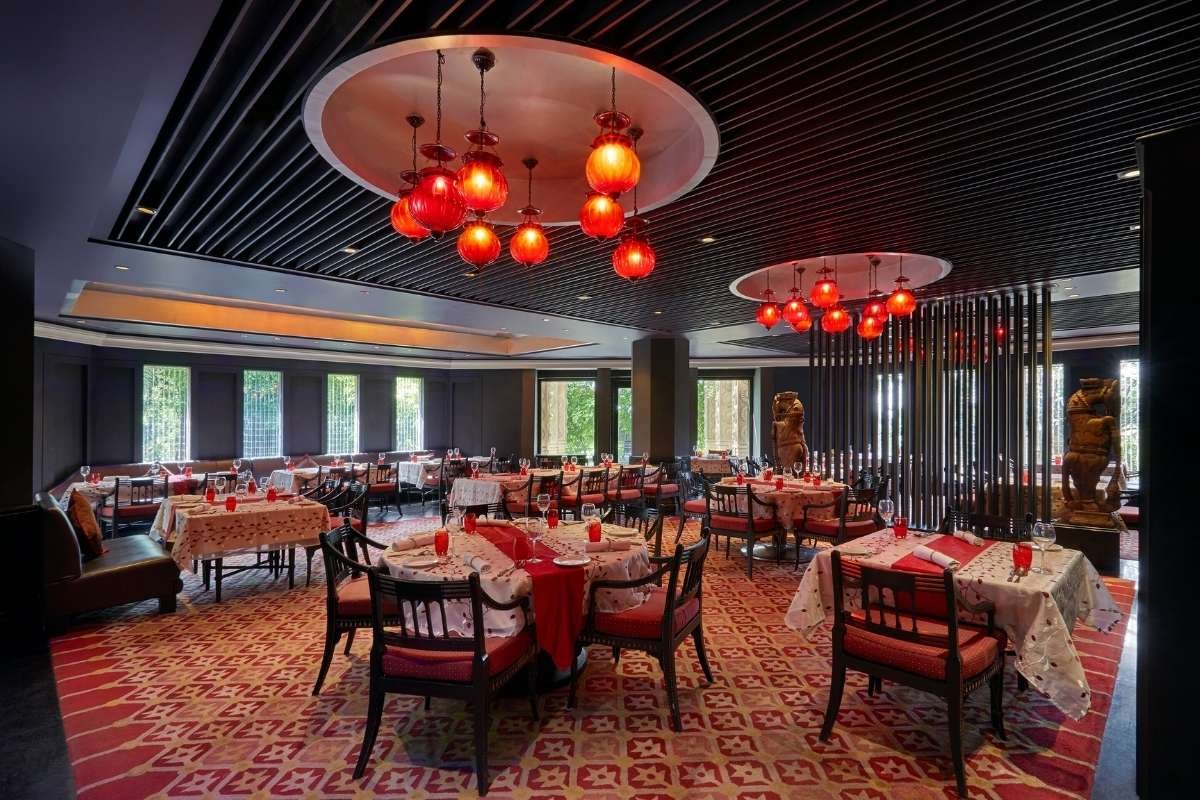
Select a restaurant that supports conversation and professional comfort. The space should feel calm, well-lit, and easy to navigate. Avoid venues with loud music, cramped seating, or long waiting times. A suitable location helps guests stay focused on the discussion rather than distractions. The right choice also signals planning and respect for the meeting.
Think about the type of business being discussed before choosing the venue. A formal deal may need a quieter, upscale place, while a casual catch-up allows more flexibility. Location also matters, so pick a spot that feels convenient for everyone. Good choices reduce stress before the meeting even begins.
2. Confirm Dietary Preferences in Advance

Ask guests about food restrictions or preferences a few days before the lunch. This includes allergies, religious needs, and personal choices like vegetarian diets. Planning ahead avoids uncomfortable moments at the table. It also prevents last-minute changes that can disrupt the meeting flow.
When guests feel considered, they relax more easily. That comfort leads to better conversation and trust. It also reflects attention to detail, which matters in business settings. Small efforts often leave the strongest impressions.
3. Make the Reservation and Plan Seating
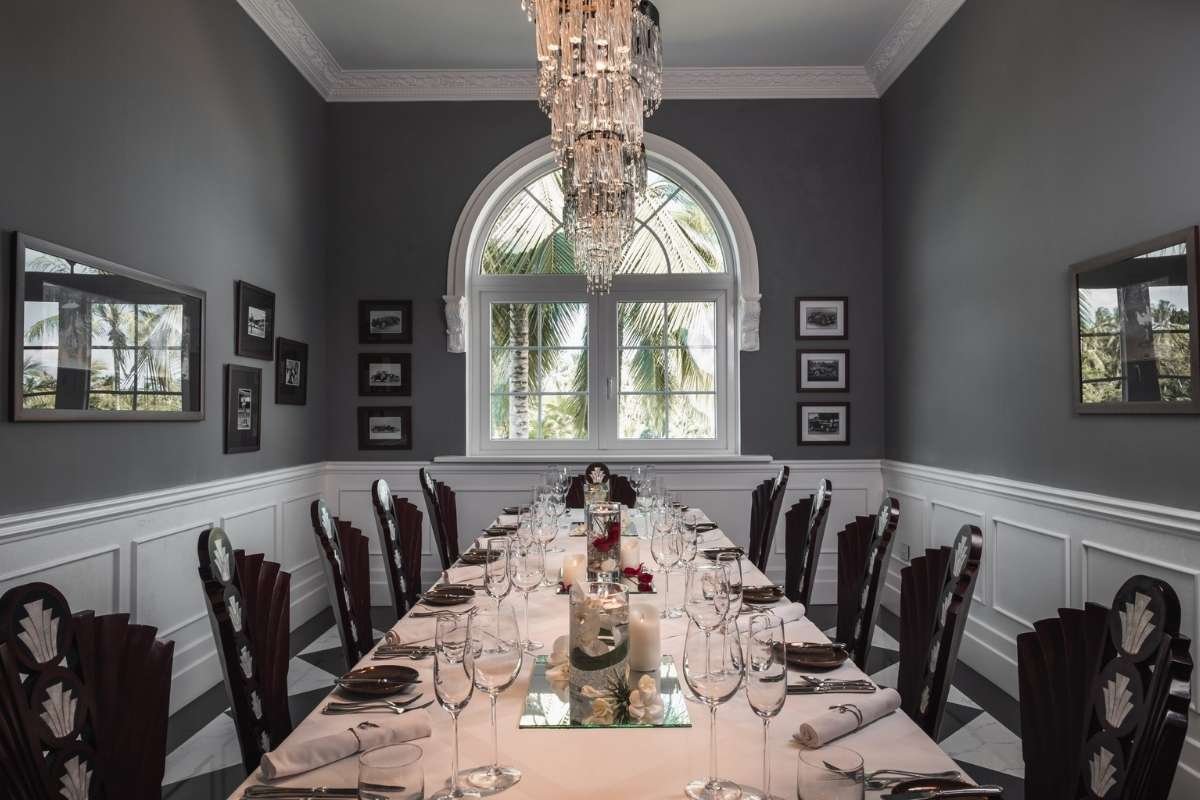
Always reserve a table in advance to avoid delays. Request seating that allows eye contact and easy conversation. Avoid high-traffic areas near restrooms or kitchen doors. These spots create noise and distractions.
Thoughtful seating supports smooth interaction. It also shows that you planned the lunch with care. Guests notice when logistics run without friction. This builds confidence in your professionalism. Clear seating also helps people read expressions and tone more easily. This reduces miscommunication during sensitive discussions
II. During the Lunch
Once everyone is seated, behavior matters more than planning. The host now guides both the meal and the discussion.
4. Arrive Early

Arrive at least ten minutes before the scheduled time. This gives you space to handle seating or last-minute issues. Greet your guest warmly when they arrive. A calm welcome sets a positive tone.
Being early shows reliability and respect for time. It also prevents rushed conversations at the start. First impressions often shape the rest of the meeting. Arriving early also gives you a moment to settle your thoughts. It helps you observe the environment before the discussion begins.
5. Lead the Ordering Process
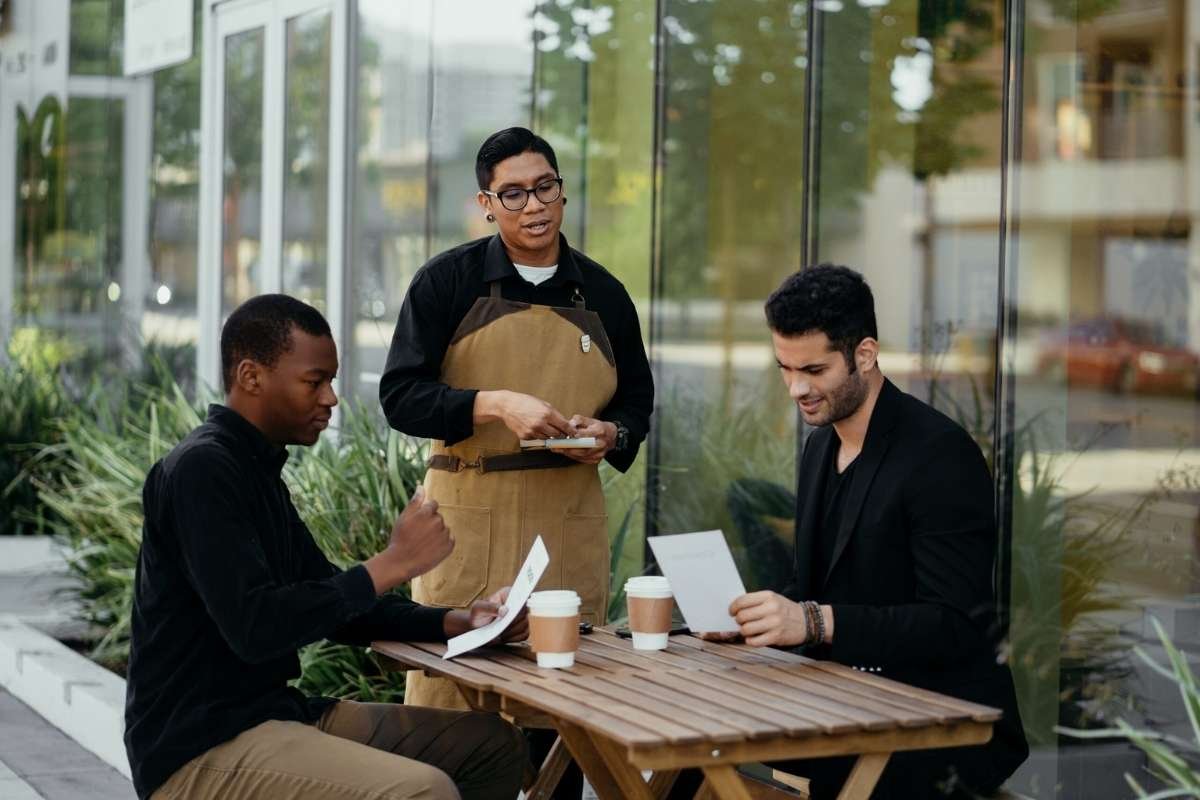
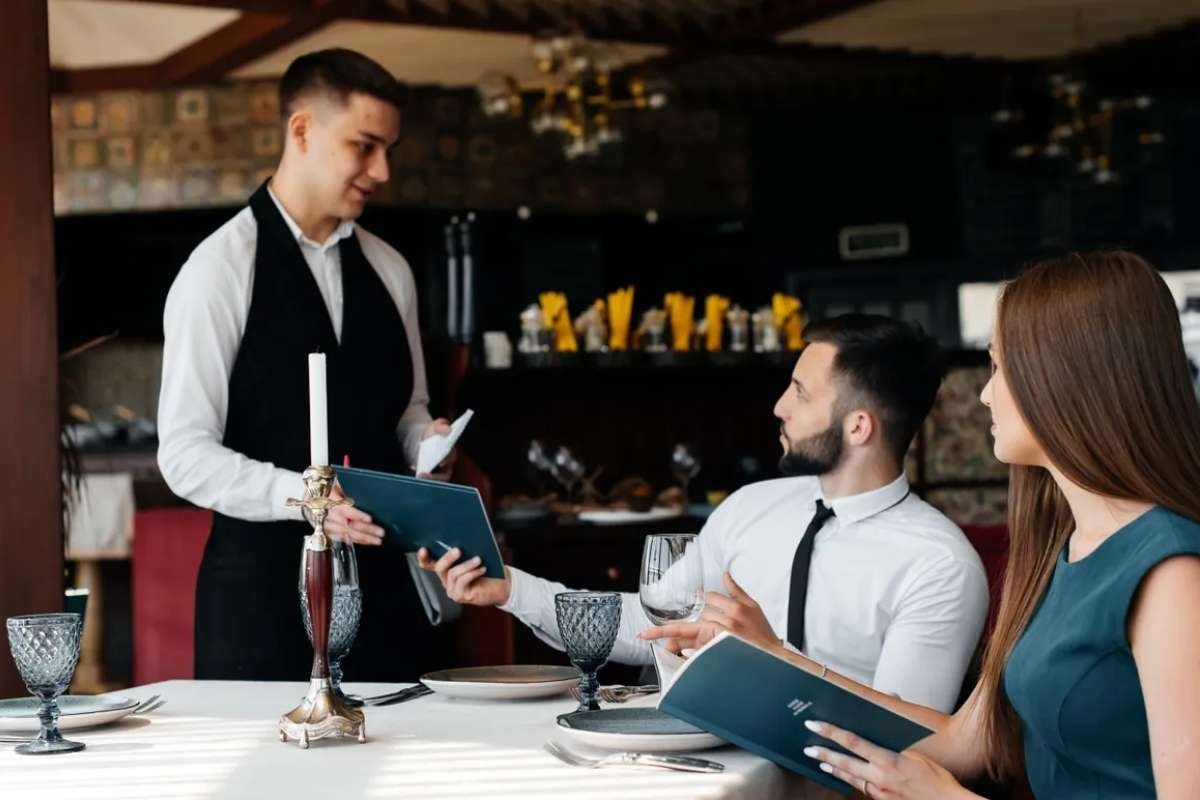
Invite your guest to order first. This gives them comfort and choice. Keep your own order balanced in price and portion size. Avoid expensive or messy dishes that distract from the discussion.
Your ordering choices influence the table mood. A thoughtful approach keeps everyone relaxed. It also avoids placing pressure on guests to match your order. This approach also signals social awareness at the table. It reduces subtle power imbalances during the meal. Guests feel more at ease when choices feel free and unjudged.
6. Guide the Conversation Naturally

Begin with light conversation before shifting to business topics. This helps everyone settle in. Watch cues like body language and engagement levels. Adjust the discussion pace if needed.
Avoid dominating the table or interrupting others. Balanced conversation builds trust and clarity. A relaxed flow encourages honest dialogue. Starting light also helps reveal communication styles early. It allows you to gauge comfort levels before discussing decisions.
III. After the Lunch
The meeting does not end when the plates are cleared. A thoughtful close helps conversations carry forward.
7. Handle the Bill Discreetly

Ask for the bill quietly and manage payment without drawing attention. Avoid discussing costs at the table. This prevents awkwardness and confusion. Clear handling reinforces your role as the host.
Guests should leave without discomfort regarding payment. Smooth closure reflects confidence and courtesy. It keeps the focus on the relationship, not the transaction. Handling payment discreetly also protects the meeting’s emotional tone. It prevents money from overshadowing outcomes or next steps. A seamless close helps the discussion end on purpose rather than on logistics.
8. Thank the Guest Before Leaving
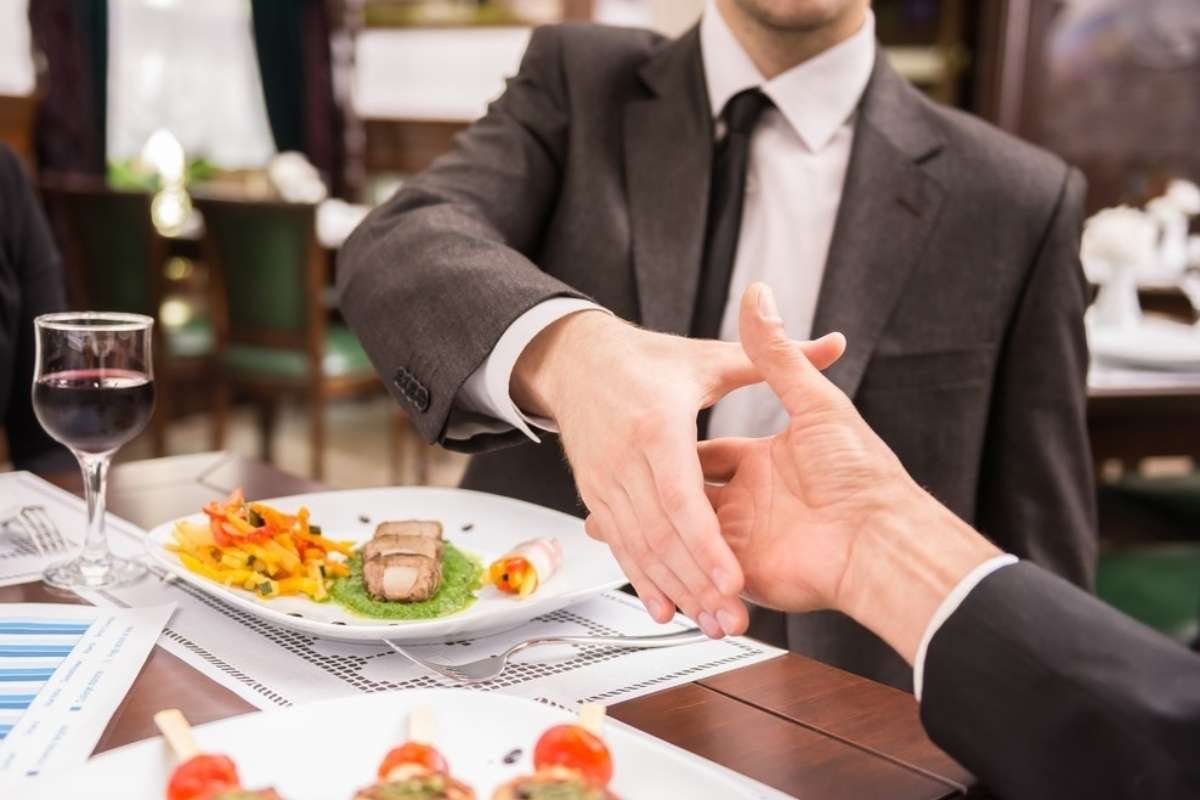
Offer a sincere thank-you as the lunch ends. Keep it specific if possible. A personal note of appreciation feels genuine. This strengthens professional rapport.
How you end the meeting matters as much as how you begin. A warm closing leaves a lasting positive memory.
9. Follow up with a Brief Message
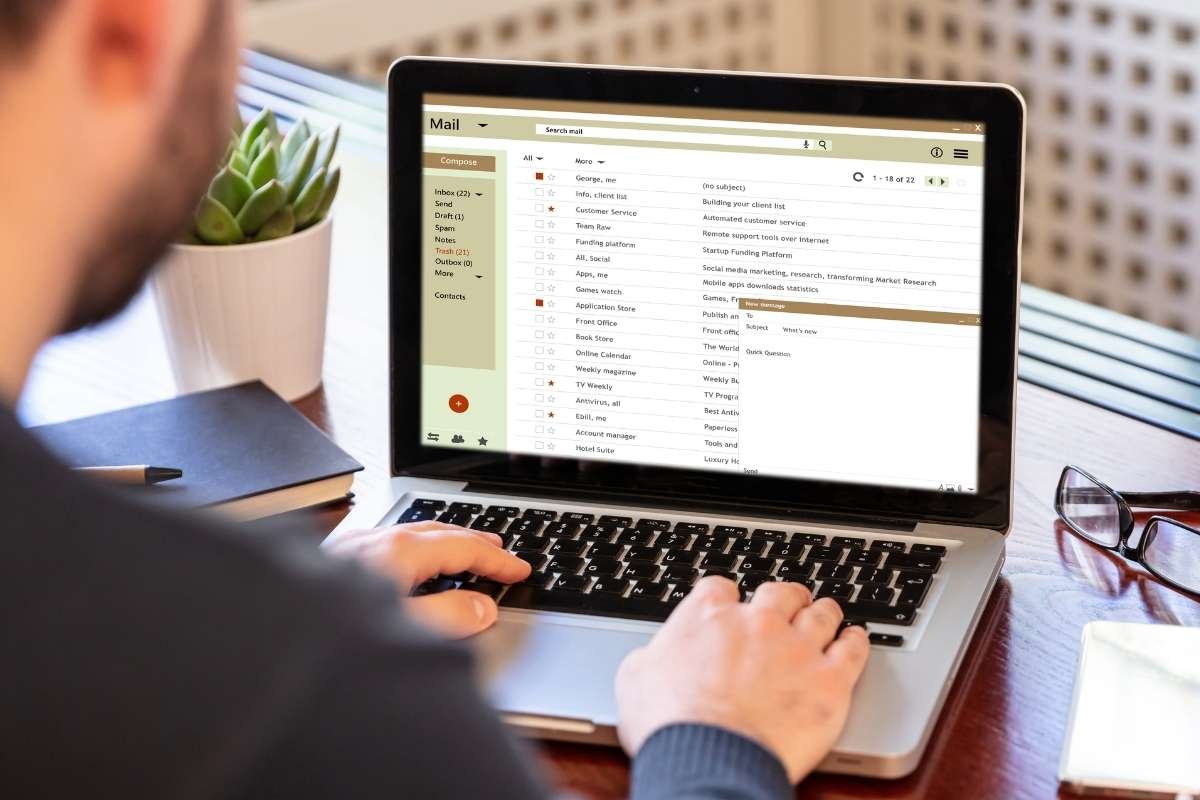
Send a thank-you email or message later the same day. Mention one key takeaway or next step. This reinforces clarity and intent. It also keeps communication moving.
Consistent follow-up shows reliability. It helps transform conversation into action. A clear thank-you also reinforces mutual respect between both sides. It helps the interaction feel complete rather than abrupt. People often remember the closing moment most.
B. Business Lunch Etiquette for the Attendee
Attending a business lunch requires awareness, timing, and restraint. These business lunch etiquette help attendees support the flow while building strong professional impressions.
I. Before the Lunch
Strong impressions begin before entering the restaurant. Small preparations help the meeting feel calm and organized.
10. Confirm Details
Review the time, location, and purpose of the lunch beforehand. Know who will attend and what topics may come up. Preparation reduces anxiety at the table. It also helps you contribute meaningfully.
Arriving informed shows respect for the host’s effort. It signals seriousness and readiness. Preparation supports smoother discussion.
11. Dress Appropriately for the Setting

Choose clothing that matches the restaurant and meeting tone. Clean, simple attire works best. Avoid loud colors or distracting accessories. Your appearance shapes first impressions.
Professional dress supports confidence. It helps others focus on conversation rather than visuals. Clothing should support, not distract. Appropriate clothing also shows awareness of social context. It signals that you respect both the setting and the people present. This quiet alignment helps interactions feel balanced and comfortable.
12. Switch Devices to Silent Mode

Silence your phone before sitting down. Notifications can interrupt discussion and appear rude. Unless urgent, avoid checking messages. Full attention shows courtesy.
Focused presence builds trust. It tells the host that the meeting matters to you. Keeping devices out of sight also prevents accidental distractions, like accidental notifications or vibrations. It allows you to fully engage in reading body language and subtle cues. This presence strengthens rapport and clarity in conversation.
II. During the Lunch
At the table, attention and timing shape perception. How you behave now defines the quality of interaction.
13. Follow the Host’s Lead

Let the host guide seating, ordering, and timing. Observe their cues before making decisions. This keeps the flow smooth and respectful. Following leadership avoids awkward moments. It also shows awareness.
Respecting the host’s role supports harmony. It signals cooperation and professionalism. These signals matter in business settings. Following the host’s lead also helps you adapt to the meeting’s pace naturally. It reduces the risk of misunderstandings or missteps.
14. Practice Table Manners Consistently

Business lunch etiquette depends on consistency. Eat slowly and use proper cutlery. Avoid speaking with food in your mouth. Keep movements controlled and calm. Small habits shape perception quickly.
Good manners reduce distractions. They help keep conversation engaging and reduce breaks in the flow. Polished behavior will always reflect discipline.
15. Balance Eating and Conversing

Do not rush through food or focus only on eating. Pause between bites to speak clearly. Stay engaged in the discussion at all times. It shows confidence in your conversational abilities. It also keeps the meeting effective.
Avoid long silences caused by eating. This can lead to awkward silences with both parties feeling the pressure of filling the silence. Having no long breaks can help both sides feel heard. Paying attention to the host’s cues while eating also demonstrates mindfulness. It allows you to respond appropriately to topics as they arise. This balance ensures the conversation remains productive and connected.
III. After the Lunch
What you do after a business lunch matters more than you think. A clear and respectful follow-up strengthens professional ties.
16. Thank the Host Personally
Offer a clear thank-you before leaving the restaurant. Make eye contact and keep it genuine. Appreciation strengthens professional goodwill. It also reflects emotional awareness. Simple thanks go a long way.
A warm closing leaves a strong impression. It reinforces mutual respect. Courtesy supports long-term relationships. A sincere thank-you also encourages positive follow-up communication. It shows that you value the time and effort the host invested. This small gesture can set the tone for future collaborations.
17. Clarify Next Steps if Needed

Briefly confirm follow-up actions before parting ways. This avoids confusion later. Clear alignment saves time. It also shows accountability. People value clarity.
Keep this confirmation short and focused. Avoid overloading details. Clear direction supports progress. Confirming next steps also demonstrates professionalism and reliability. It reassures the host that you are attentive and committed. This clarity helps strengthen trust and ensures responsibilities are understood. Taking a moment to clarify shows respect for everyone’s time and priorities.
18. Send a Follow-up Note

Email or message the host within 24 hours. Thank them again and restate key points. This reinforces professionalism. It also keeps communication open. Consistent follow-up builds trust.
Mention deadlines if discussed. This helps move work forward. Strong follow-up turns meetings into results. A timely follow-up also shows attentiveness and organizational skills. It keeps your commitments visible and strengthens your credibility with the host. Including a brief recap of important discussion points also gives the host a reference for any agreed-upon next steps, ensuring smoother collaboration.
Things to Avoid at a Business Lunch
You now know what to do during a business lunch. But what about things not to do? These are some things that you should avoid, no matter whether you are the host or the attendee.
- Ordering messy or hard-to-eat food: Dishes that spill, drip, or require too much effort can distract you. They shift focus away from the conversation. Simple food helps you stay composed and present.
- Using your phone at the table: Checking messages breaks attention and feels dismissive. Even brief glances can signal disinterest. Keep your phone away unless there is an urgent reason.
- Talking too much about yourself: Dominating the conversation can feel self-centered. A business lunch works best when both sides feel heard. Balance speaking with listening.
- Bringing up sensitive or personal topics: Avoid politics, religion, or personal issues. These topics can create discomfort quickly. Neutral conversation keeps the mood professional.
- Drinking too much alcohol: If alcohol is involved, keep it minimal or skip it. Poor judgment can damage credibility. Staying sharp protects your professional image.
Why do Business Lunch Etiquettes Matter?
Business lunches are clearly coming back in force after the disruptions. This is true especially after the pandemic. A recent survey conducted by Forum Business Travel found that 68 % of business leaders now go on more business meals than they did two years ago, and many of these lunches are taking place closer to where professionals live, thanks to hybrid and flexible work patterns.
Business lunch etiquettes matter because it influences how the meal goes. These moments shape professional impressions, build trust, and can guide the tone of future work together. People pay attention to how you act when you share a meal with them. Good manners at the table can show confidence, respect, and ease in social situations.
When both sides feel at ease, conversations flow more naturally, and trust grows. Poor etiquette, on the other hand, can distract from the goals of the meeting and even hurt professional opportunities. For these reasons, mastering business lunch etiquette helps make the most of every professional lunch meeting.
Conclusion:
A business lunch often lasts only for a couple of hours, but the impression it creates can last much longer. Small details like punctuality, polite conversation, and mindful table manners shape how others perceive you. When you understand business lunch etiquette, you can focus less on uncertainty and more on building genuine professional connections. Over time, these shared meals become opportunities to earn trust, strengthen relationships, and support long-term career growth.
FAQs
1. What is business lunch etiquette?
Business lunch etiquette refers to the set of professional manners followed during a work-related meal, including behavior, communication, and table manners.
2. Who should pay at a business lunch?
Usually, the person who invites or hosts the lunch pays, unless it is agreed beforehand to split the bill.
3. What should you avoid during a business lunch?
Avoid using your phone excessively, interrupting others, speaking loudly, or ordering very messy food.
Thanks For Reading!
See More
Top 10 Essential Strategies for Business Etiquette for Women in 2026