Key Takeaway:
- King Charles III and Queen Camilla are reinforcing U.S.–U.K. ties.
- Cultural diplomacy is a driving influence, not politics.
- Aligned with key global and historical moments.
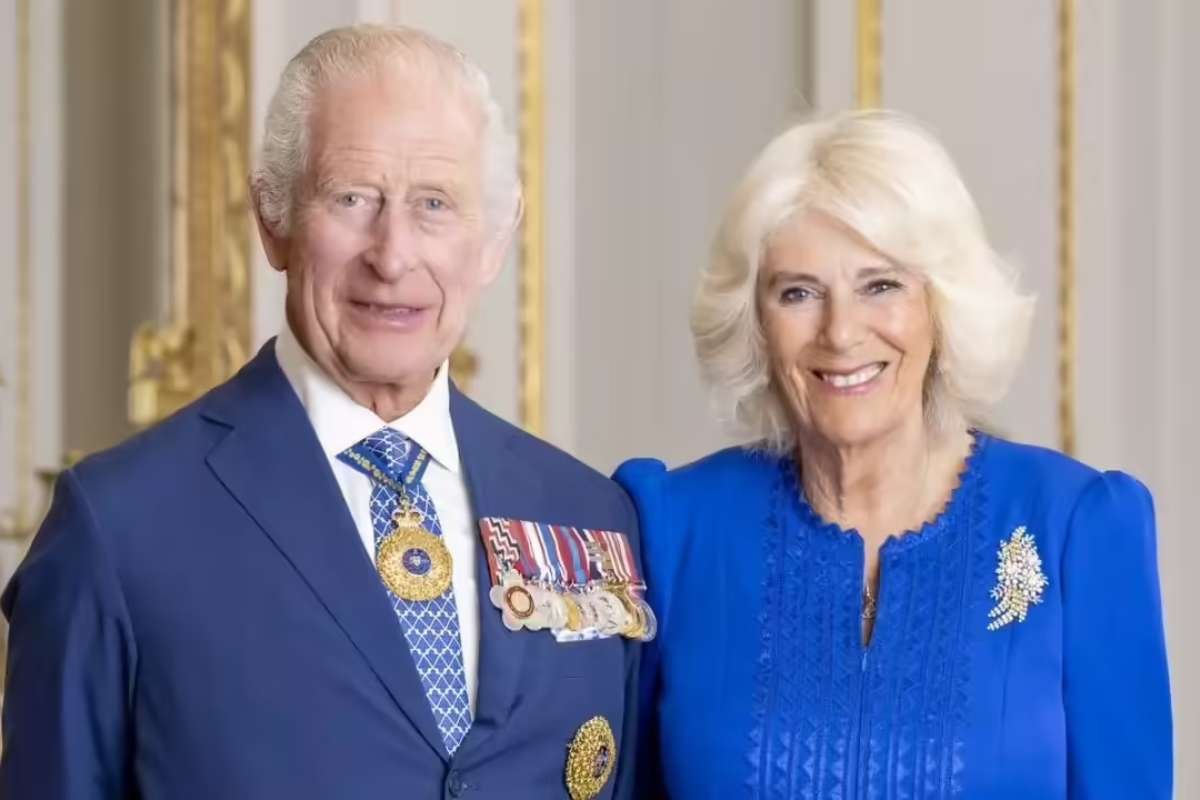
King Charles III and Queen Camilla commenced a high-profile four-day state visit to the United States on April 27, 2026, marking the King’s first official trip to the country since his accession to the throne. The visit, spanning Washington, D.C., New York, and Virginia, comes at a crucial moment for transatlantic relations, as both nations seek to reaffirm their historic partnership while navigating modern geopolitical challenges.
The royal couple arrived at Joint Base Andrews to a ceremonial welcome before proceeding to the White House, where they were received by President Donald Trump and First Lady Melania Trump. The initial interactions struck a tone of cordial diplomacy, featuring formal greetings followed by private discussions over tea. While steeped in tradition, these early engagements carried a deeper purpose, signalling stability and continuity in the long-standing alliance between the United Kingdom and the United States.
The timing of the visit is particularly significant. As the United States approaches the 250th anniversary of its independence, the presence of the British monarch underscores the evolution of a relationship once defined by conflict into one now rooted in cooperation. At the same time, shifting global dynamics and political pressures have added urgency to efforts aimed at reinforcing mutual trust and collaboration.
Ceremony, Culture, and the Power of Symbolism
The visit’s opening phase highlighted the monarchy’s ability to blend ceremonial grandeur with cultural diplomacy. A key event was a garden reception hosted by the British ambassador in Washington, which brought together influential figures from politics, business, and the diplomatic community. The gathering served as both a celebration of shared heritage and a platform for informal engagement among key stakeholders.
British cultural traditions were prominently showcased, with classic elements such as afternoon tea complete with scones, sandwiches, and curated delicacies adding a refined touch to the occasion. These symbolic gestures, though subtle, played an important role in reinforcing familiarity and goodwill between the two nations.
In a more relaxed setting, King Charles III and Queen Camilla joined the President and First Lady for a walk through the White House grounds, including a visit to the garden and its beehive. The moment reflected King Charles’s long-standing commitment to environmental causes, while also offering a glimpse of personal rapport between the leaders.
Looking ahead, the itinerary includes a state dinner, a visit to the 9/11 Memorial in New York, and a landmark address by King Charles to a joint session of Congress. Each of these engagements carries both symbolic and strategic value, combining tradition with forward-looking diplomacy.
Strategic Undertones in a Changing Global Order
While the visit is rich in pageantry, its underlying purpose is firmly rooted in diplomacy. The trip unfolds against a backdrop of global uncertainty, with both the United States and the United Kingdom navigating complex political, economic, and security challenges. In this context, the visit is widely viewed as an effort to strengthen ties and reaffirm shared values.
The monarchy’s role in such engagements remains distinctive. Though it does not directly shape policy, it serves as a unifying force capable of fostering dialogue and goodwill. King Charles’s anticipated address to Congress is expected to emphasise themes of democratic resilience, international cooperation, and the importance of enduring alliances in a rapidly changing world.
At the same time, the visit reflects a broader effort to recalibrate the “special relationship” for the modern era. By focusing on cultural exchange, historical reflection, and diplomatic engagement, the King and Queen are helping to bridge traditions with present-day realities.
A Visit Beyond Ceremony
King Charles III and Queen Camilla’s U.S. state visit ultimately represents more than a display of royal tradition. It is a carefully calibrated diplomatic effort aimed at reinforcing one of the world’s most enduring alliances. Through a combination of ceremony, cultural outreach, and strategic messaging, the visit underscores the importance of adaptability in maintaining international partnerships.
As the tour progresses across key American cities, its impact is likely to extend beyond symbolic gestures. Instead, it signals a renewed commitment to cooperation, highlighting how historic relationships can evolve to meet the demands of a complex and shifting global landscape.
Visit CIO Women Magazine for the latest information.