
Key Takeaways:
- Debate highlights deep disagreement over the role of the Environmental Protection Agency.
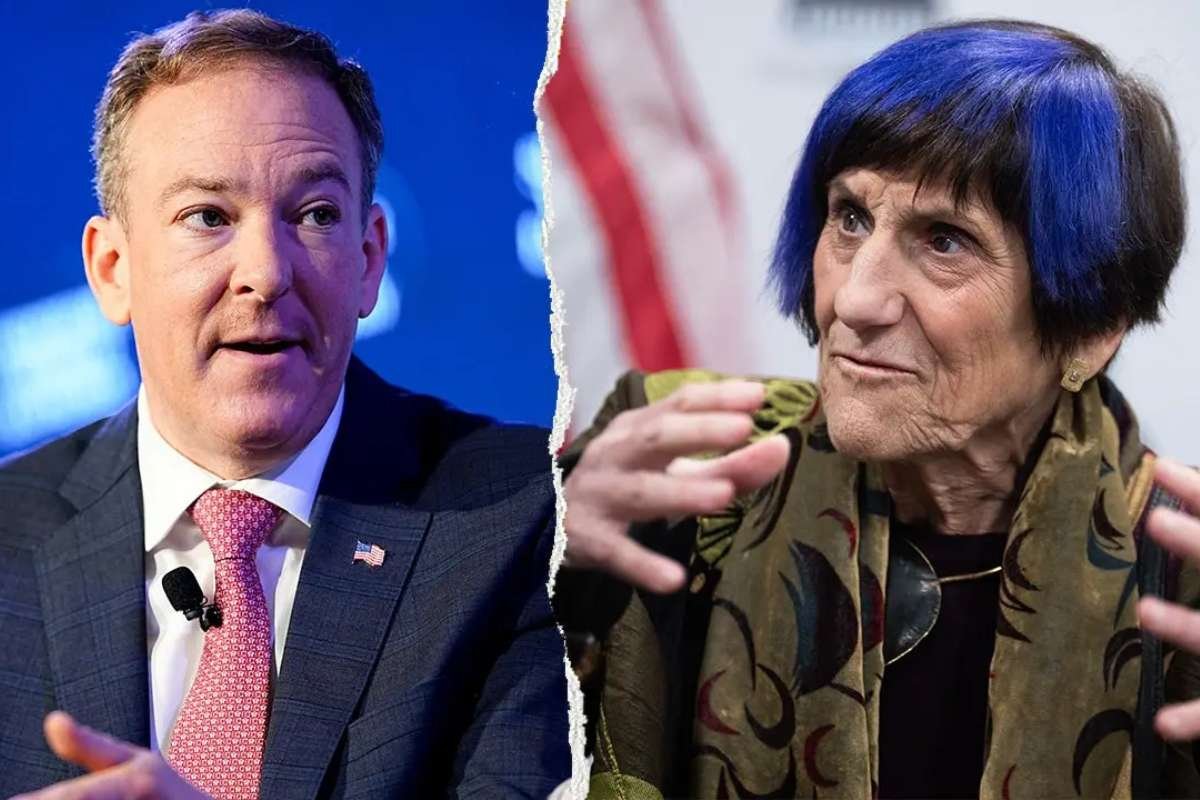
- Lee Zeldin focused on legal limits, while Rosa DeLauro stressed climate action.
- The clash shows how heated remarks can overshadow serious policy discussion.
A congressional hearing intended to review funding for the Environmental Protection Agency turned into a high-voltage political clash, revealing deep divisions over environmental priorities and government spending.
EPA Administrator Lee Zeldin appeared before lawmakers to defend a proposed budget that would significantly reduce the agency’s funding. The plan reflects a broader push toward limiting federal oversight, streamlining operations, and reallocating resources to what the administration considers more immediate priorities.
However, Democratic lawmakers strongly challenged the proposal, warning that such cuts could weaken environmental protections and diminish the agency’s ability to address pressing issues like pollution and climate change. Representative Rosa DeLauro emerged as one of the most vocal critics, arguing that the reductions risk undermining decades of progress in safeguarding public health and the environment.
As the discussion unfolded, it became clear that the disagreement extended beyond budgetary concerns. The hearing evolved into a broader ideological battle over how aggressively the federal government should act on environmental issues, particularly at a time when climate concerns remain a central topic of national and global debate.
Legal Debate Escalates Into Personal Exchange
The tone of the hearing sharpened when Lee Zeldin defended the administration’s approach by pointing to legal constraints. Citing the Clean Air Act, he argued that the EPA must operate strictly within the boundaries of statutory authority, questioning whether existing laws explicitly mandate expansive federal action on climate change.
This argument drew a forceful response from Rosa DeLauro, who stressed that scientific evidence and environmental urgency should guide policymaking, even as legal frameworks are interpreted. While acknowledging that she was not fully familiar with one of the legal precedents referenced, she maintained that the agency has a responsibility to act decisively in the face of environmental risks.
Tensions reached a boiling point during a discussion about glyphosate, a commonly used herbicide that has been at the center of ongoing health debates. As the exchange intensified, Rosa DeLauro made a pointed remark suggesting that Lee Zeldin should personally try the substance being debated.
The comment immediately drew attention, shifting the focus from policy to rhetoric. Observers noted that the moment encapsulated the increasingly confrontational tone of political discourse, particularly on contentious issues like environmental regulation and public safety.
Aftermath Reflects Broader Political Divide
In the wake of the hearing, Lee Zeldin criticized the exchange, calling the remarks directed at him inappropriate and reflective of a misunderstanding of both science and policy. He reiterated that his approach is grounded in legal interpretation and fiscal responsibility, arguing that reforms are necessary to ensure the EPA operates efficiently and within its intended scope.
On the other side, Rosa DeLauro and fellow Democrats continued to warn that the proposed direction of the agency could weaken its core mission. They emphasized that reducing regulatory oversight may prioritize short-term economic considerations over long-term environmental sustainability and public health protections.
The confrontation quickly gained traction beyond Capitol Hill, becoming a talking point in broader political discussions. Supporters of the administration framed the exchange as a defense of limited government and adherence to legal boundaries, while critics argued it signaled a retreat from meaningful climate action.
More broadly, the episode highlights a fundamental question shaping U.S. environmental policy: how to balance economic priorities with the need for strong environmental safeguards. As debates over funding, regulation, and climate responsibility continue, the future role of the Environmental Protection Agency remains at the center of an increasingly polarized political landscape.
The hearing, while focused on budgetary decisions, ultimately underscored the high stakes of environmental governance in the United States, where policy, politics, and public perception intersect in often unpredictable and highly charged ways.
For the latest insights, visit CIO Women Magazine.