Complex problems cannot be solved by looking at one issue at a time. When leaders overlook how people, organizations, and the environment influence one another, decisions often create new challenges instead of lasting solutions. Without a deeper understanding of these connections, businesses struggle to adapt, communities become less resilient, and sustainable progress becomes harder to achieve.
As the Co-founder and Director of Research and Programs at Gaia Living Systems Institute, Ruth L. Miller is helping change that reality. Through research, education, consulting, books, and leadership development, she enables leaders and organizations to apply living systems thinking to navigate complexity, strengthen human potential, and build resilient organizations.
Drawing on decades of work in systems science, anthropology, ecology, and organizational transformation, she has contributed to influential initiatives such as the Club of Rome’s Goals for a Global Community study and the NSF-funded Multiple Perspectives in Decisionmaking research.
Today, under her leadership, Gaia Living Systems Institute continues to expand its impact by bringing living systems science to a wider global audience, making Ruth a trusted voice in shaping the future of leadership and organizational transformation.
From anthropology to systems science
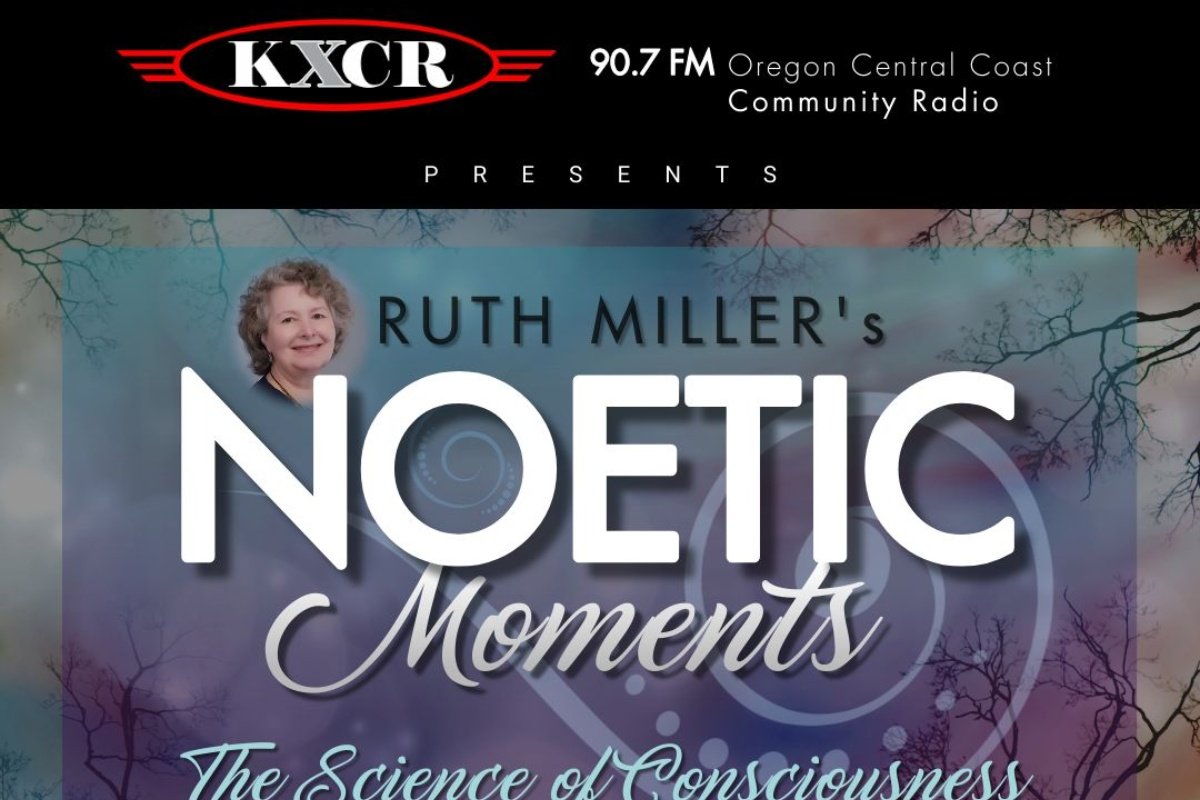
Ruth L. Miller’s professional journey has been shaped by a lifelong curiosity about the relationship between people, culture, society, and the natural world. Growing up in Chicago, spending summers on a farm, attending high school in Silicon Valley, and studying anthropology in New Mexico exposed her to diverse communities and inspired her interest in how environments and cultural values shape human well-being.
After marrying a Navy officer, she witnessed environmental challenges across the East Coast, motivating her to study Environmental Studies at California State University, Long Beach. Seeking to understand the root causes of these issues, she later pursued cybernetic systems at San Jose State University.
Ruth L. Miller went on to join the Stanford Research Institute’s Center for the Study of Social Policy, where she combined anthropology, ecology, and systems science while contributing to research in education, transportation, welfare, energy resources, and the Club of Rome’s Goals for a Global Community study. At Portland State University, she expanded her work in systems science, leadership, decision-making, and human consciousness, contributing to the NSF-funded Multiple Perspectives in Decision-Making study.
Alongside her research, Ruth consulted for nonprofits, government agencies, and businesses while teaching courses on science, technology, and society. These experiences ultimately laid the foundation for the Gaia Living Systems Institute, where she continues to help leaders and organizations apply living systems thinking to build resilient, human-centered organizations.
Choosing adaptation over fixed goals
Traditional linear models work well for machines, but Ruth L. Miller highlights that they cannot fully explain how people, organizations, and communities function because living systems are shaped by relationships, shared decisions, and changing environments. Her perspective was shaped through years of research with leading systems thinkers, including Magoroh Maruyama and researchers at the Stanford Research Institute, whose work on feedback loops, cultural dynamics, and organizational change influenced her Living Systems approach.
Ruth explains that living systems thrive through continuous adaptation rather than fixed goals. When they become too rigid or exceed environmental limits, they begin to decline. Because everything is interconnected, solving problems in isolation rarely creates lasting results. While she values Peter Senge’s The Fifth Discipline as an introduction to systems thinking, she believes the Living Systems model gives leaders a more complete understanding of how organizations can adapt, remain resilient, and succeed in a changing world.
The power of connection, authenticity, and respect
Ruth L. Miller says that every living system, whether it is a person, an organization, or a community, follows simple principles that help it grow, stay resilient, and respond to change.
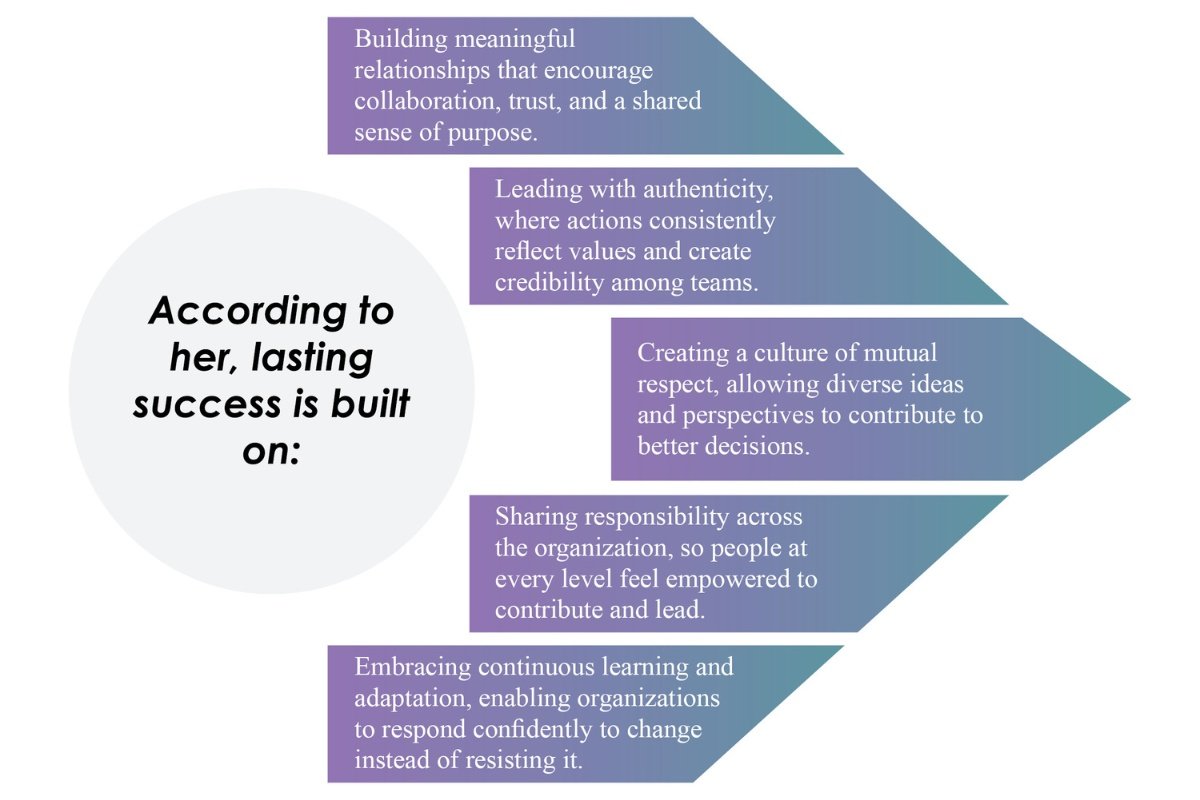
According to her, lasting success is built on:
- Building meaningful relationships that encourage collaboration, trust, and a shared sense of purpose.
- Leading with authenticity, where actions consistently reflect values and create credibility among teams.
- Creating a culture of mutual respect, allowing diverse ideas and perspectives to contribute to better decisions.
- Sharing responsibility across the organization, so people at every level feel empowered to contribute and lead.
- Embracing continuous learning and adaptation, enabling organizations to respond confidently to change instead of resisting it.
Her work focuses on helping leaders understand these principles so they can create healthier organizations that grow stronger through collaboration and resilience.
The trap of isolated problem-solving
Ruth L. Miller emphasizes that one of the biggest mistakes leaders make is trying to solve complex problems by treating them as isolated issues. In reality, every decision affects many other parts of an organization or community. Ignoring these ripple effects can create new problems that are often more difficult to manage than the original challenge.
She also emphasizes that people are not interchangeable resources. Every individual brings unique skills, experience, and perspectives that shape an organization. Assuming anyone can easily replace another person weakens teams, reduces trust, and limits long-term success.
Another common misconception, according to Ruth, is that all important decisions should come from the top. In today’s fast-changing world, organizations need people at every level to make informed decisions that align with a shared mission and purpose. Open communication, trust, and giving employees the authority to act within their responsibilities help organizations respond more effectively to change.
Ruth L. Miller also questions the long-standing belief that success comes from constantly acquiring resources, accumulating wealth, and maintaining control. She argues that these values often encourage centralized decision-making, making organizations less adaptable over time. Instead, she points to communities and cultures that have endured for generations by embracing cooperation, sharing resources, respecting individual contributions, distributing responsibility, and living in balance with the natural world. In her view, these principles offer a stronger foundation for long-term resilience and sustainable growth.
Vision for a sustainable tomorrow
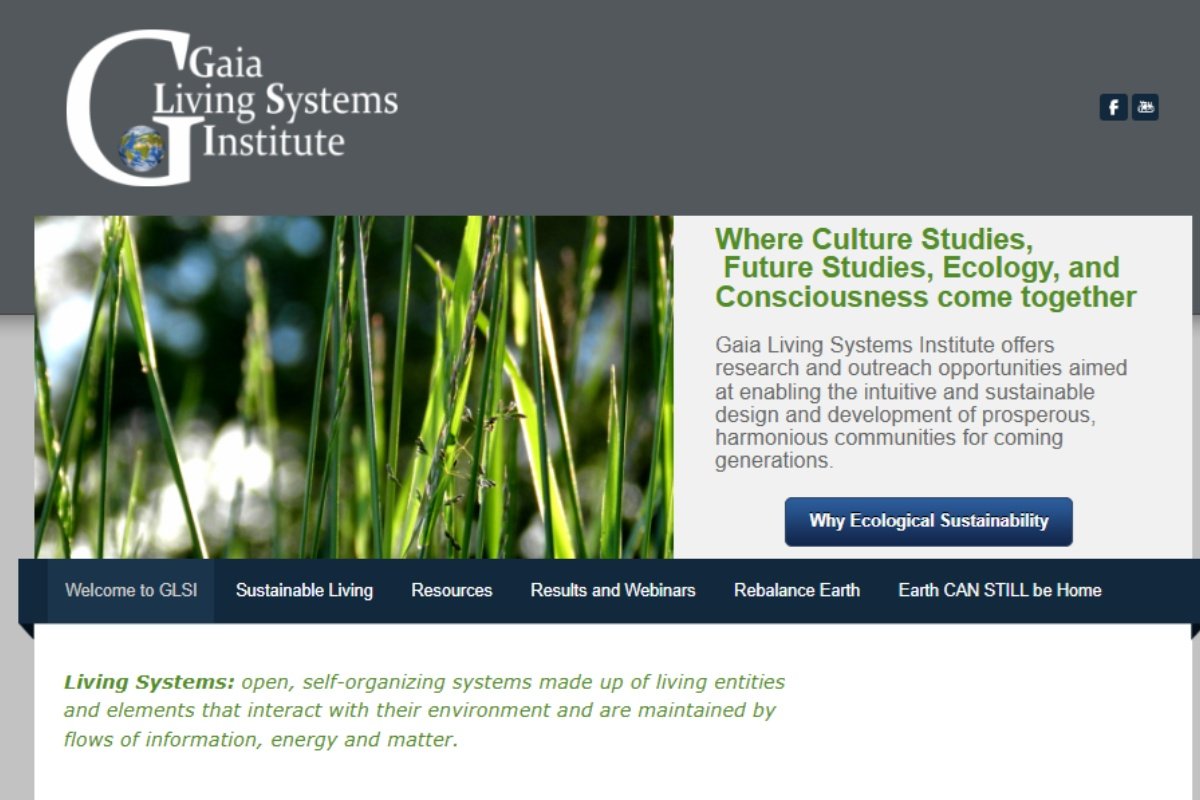
The mission of Gaia Living Systems Institute is to make the principles of living systems accessible to more people through books, educational programs, and media. The institute studies how living systems thinking is being applied across different parts of the world and shares these real-world examples to encourage broader understanding and adoption. Its long-term vision is to help individuals, organizations, and communities move beyond outdated ways of thinking, adapt to a rapidly changing world, and build a future that is more resilient, sustainable, and connected.
Future success depends on resilience, not just profit
Ruth L. Miller highlights that organizations can no longer define success only by financial growth. To remain resilient in an increasingly uncertain world, leaders must also invest in the long-term health of their people, their communities, and the systems they depend on.
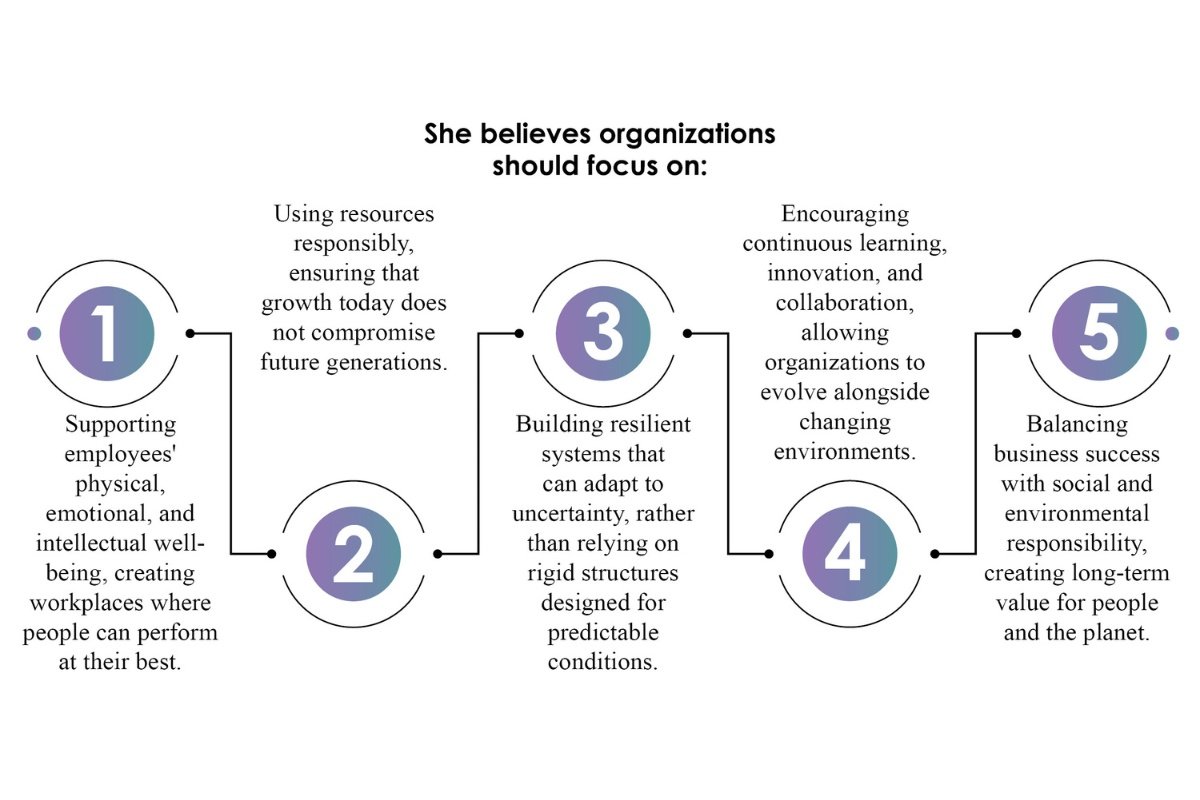
She believes organizations should focus on:
- Supporting employees’ physical, emotional, and intellectual well-being, creating workplaces where people can perform at their best.
- Using resources responsibly, ensuring that growth today does not compromise future generations.
- Building resilient systems that can adapt to uncertainty, rather than relying on rigid structures designed for predictable conditions.
- Encouraging continuous learning, innovation, and collaboration, allowing organizations to evolve alongside changing environments.
- Balancing business success with social and environmental responsibility, creating long-term value for people and the planet.
Communities and organizations that embrace these principles, she believes, are far more likely to thrive through change than those that continue relying on outdated models of success.
Rediscovering human potential for a more meaningful life
Ruth L. Miller believes that human potential extends far beyond what society has traditionally encouraged people to recognize. In her view, every individual possesses greater intellectual, emotional, physical, and spiritual capabilities than they often realize. She emphasizes that people are deeply connected to the natural world and have intuitive and logical strengths that can be developed. By learning from successful ideas and practices across different cultures and generations, she believes individuals and communities can create a more balanced, resilient, and meaningful future.
Women’s corner:
Ruth L. Miller built her career in systems science at a time when women were rarely seen in the field. Often the only woman among mathematicians, physicists, economists, and engineers, she learned to listen carefully, communicate with confidence, and support every idea with knowledge and evidence.
Over time, her academic achievements, research, and practical results established her as a respected expert. She also discovered that authentic leadership begins with being true to yourself and creating environments where people feel heard, valued, and trusted. Rather than leading through control, she believes lasting progress comes from reducing tension, strengthening relationships, and helping people work together toward shared goals. Inspired by pioneers such as Margaret Mead, Jean Houston, Barbara Marx Hubbard, and the strong women in her own family, Ruth developed a leadership philosophy rooted in collaboration, curiosity, and lifelong learning.
She believes women bring a unique ability to understand relationships, see the bigger picture, and connect people around a common purpose. Her advice to aspiring women leaders is to begin where people are, lead by example, stay committed to their values, and encourage others to grow with them. She believes meaningful change is created through authenticity, trust, and a shared vision for a better future.