
“The only thing you can have faith in is money”
– Kakuzu, Naruto
You wake up from a deep sleep with your fists clenched. It is as if you were desperately trying to hold on to something. But now they are empty and bare. Simultaneously, your mind traces the remnants of your dreams for answers. It responds with striking and vivid images of only one thing: Money.
And now the clenched fist starts making sense. You were dreaming about having money.
You realise that this isn’t the first time you have had such dreams. They have been occurring a lot lately. But why? What do your What Do Your Money Dreams Mean mean?
In this article, we will talk about how dreaming about specific things can affect real-world interactions. But first, let us see how to interpret dreams.
How to interpret dreams?
Dreams may feel strange, but they follow patterns. Your mind uses images to show thoughts, fears, and hopes. These images connect to your daily life in simple ways. If you look closely, you can understand them better.
Step 1: Notice your emotions
Focus on how the dream made you feel. Emotions matter more than small details. A happy dream may show comfort or growth. A tense one may reflect stress or worry.
Step 2: Identify key symbols
Look at one or two main symbols. It could be money, a place, or a person. Ask what they mean to you. The meaning is personal, not fixed.
Step 3: Connect it to real life
Think about your current life. Dreams often reflect recent events or thoughts. Link the dream to something you are going through.
Step 4: Look for patterns
Write short notes each morning. Over time, you will see patterns. Repeated themes show what your mind is processing.
Step 5: Avoid literal meaning
Do not take dreams in a direct way. They use symbols, not clear answers. Treat them as hints and stay open.
What do your money dreams mean?: 10 different meanings explained
Now that you understand how to read dreams, it becomes easier to look at specific themes. Many people believe that dreams have a hidden meaning. In fact, according to a survey conducted by the Sleep Foundation, 81% of people believe that at least some dreams have meaning.
The meaning can change based on small details and feelings. Let us break down what different money-related dreams may suggest.
1. Finding money in a dream
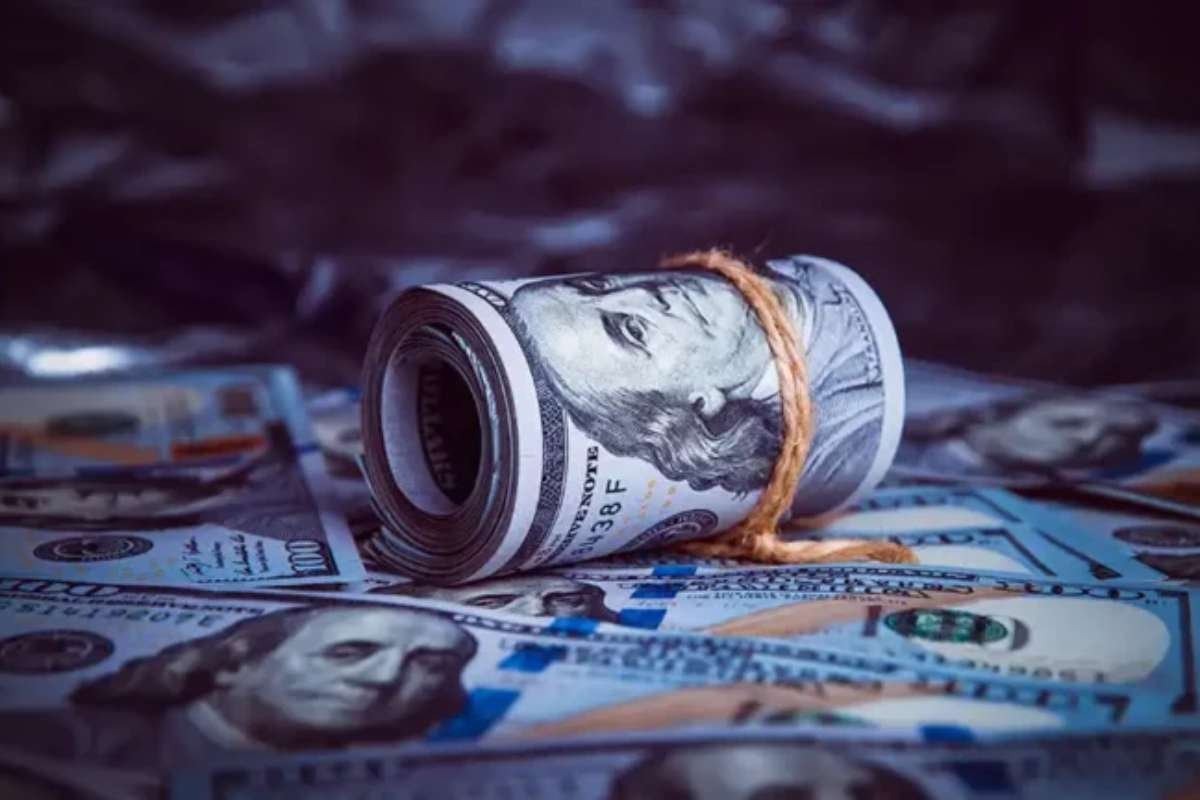
Finding money in a dream often brings a sense of luck and relief. It usually points to self-worth and growing confidence. You may be starting to see your value more clearly. It can also signal new chances in your life. You might notice an idea, skill, or path that you missed before.
The details add more meaning. Finding money on the ground may show value in simple things. Hidden money can point to unused skills or talent. Your reaction matters too. Feeling happy shows comfort with growth, while doubt may reflect low self-belief. This dream often stands for emotional gain as well, like trust or support.
2. Winning money in a dream

A sudden win in a dream often reflects a desire for quick success. It can point to hope, ambition, or a need for recognition. You may be waiting for a breakthrough in real life. This dream shows that you want your efforts to pay off soon. It can also link to confidence, especially if you feel excited and proud.
The way you win adds meaning to such What Do Your Money Dreams Mean. A fair win may show belief in your hard work. An easy or lucky win can point to a wish for things to feel easier. If the feeling fades fast, it may reflect doubt about lasting success. At times, this dream highlights emotional rewards, like feeling valued or seen.
3. Giving away money in a dream

Sometimes, you may see yourself handing money to someone. This often reflects your relationship with giving and support. especially when exploring what do your money dreams mean. It can show kindness and a desire to help others. You may feel responsible for the people around you. In some cases, it points to emotional giving, not just money.
The feeling in the dream matters here. If you feel calm, it shows balance in how you give. If you feel forced or uneasy, it may mean you give too much. You might feel drained or taken for granted. This dream can act as a sign to set better limits. It asks you to care for yourself as well.
4. Spending money in a dream

Spending money in a dream can reflect your current choices. It often links to how you use your time, energy, or focus. For example, buying something you enjoy may show self-care. It can mean you are allowing yourself to enjoy life more. The type of item also adds meaning.
On the other hand, careless spending may show a lack of control. You may feel that something is slipping in real life. It could be time, money, or even emotions. If the spending feels stressful, it may point to regret or pressure. This dream asks you to look at your priorities more closely.
5. Losing money in a dream
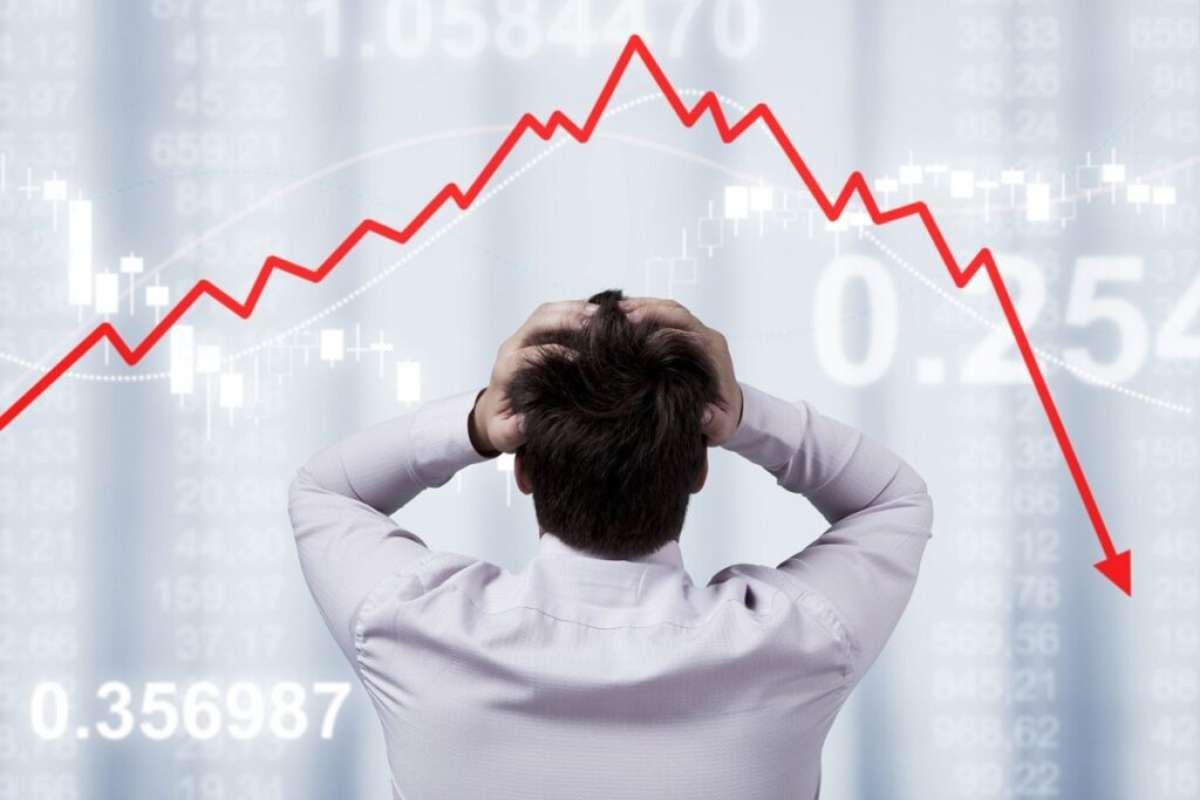
A sense of loss in a dream often connects to fear. It may reflect worry about control, security, or self-worth. You might feel like something is slipping away in real life. This does not always mean money. It can be time, trust, or even confidence.
In some cases, What Do Your Money Dreams Mean, you may search for lost cash and feel stressed. This can point to anxiety about missed chances. If the loss feels sudden, it may be linked to fear of change. At times, it also shows doubt in your decisions. This dream asks you to slow down and regain control where you can.
6. Stealing money in a dream
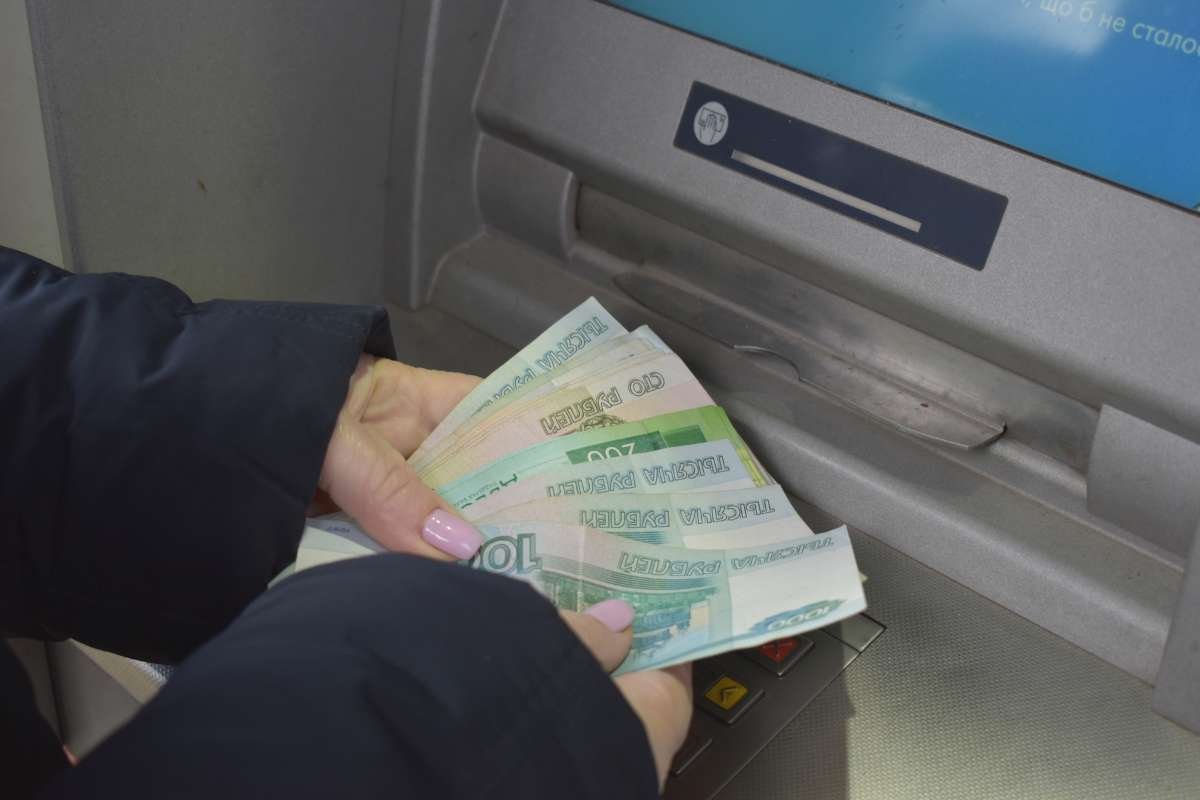
Money dreams where you see yourself stealing money can feel strange or uneasy. This often links to guilt or hidden desire. You may feel that you are not getting what you deserve. It can also point to comparing yourself with others. A part of you may want more success or recognition.
The context changes the meaning. If you feel no guilt, it may show bold ambition or risk-taking. If you feel fear or shame, it may reflect inner conflict. You might question your actions or choices in real life. This dream pushes you to face what feels unfair and deal with it in a clear way.
7. Not saving enough money in a dream
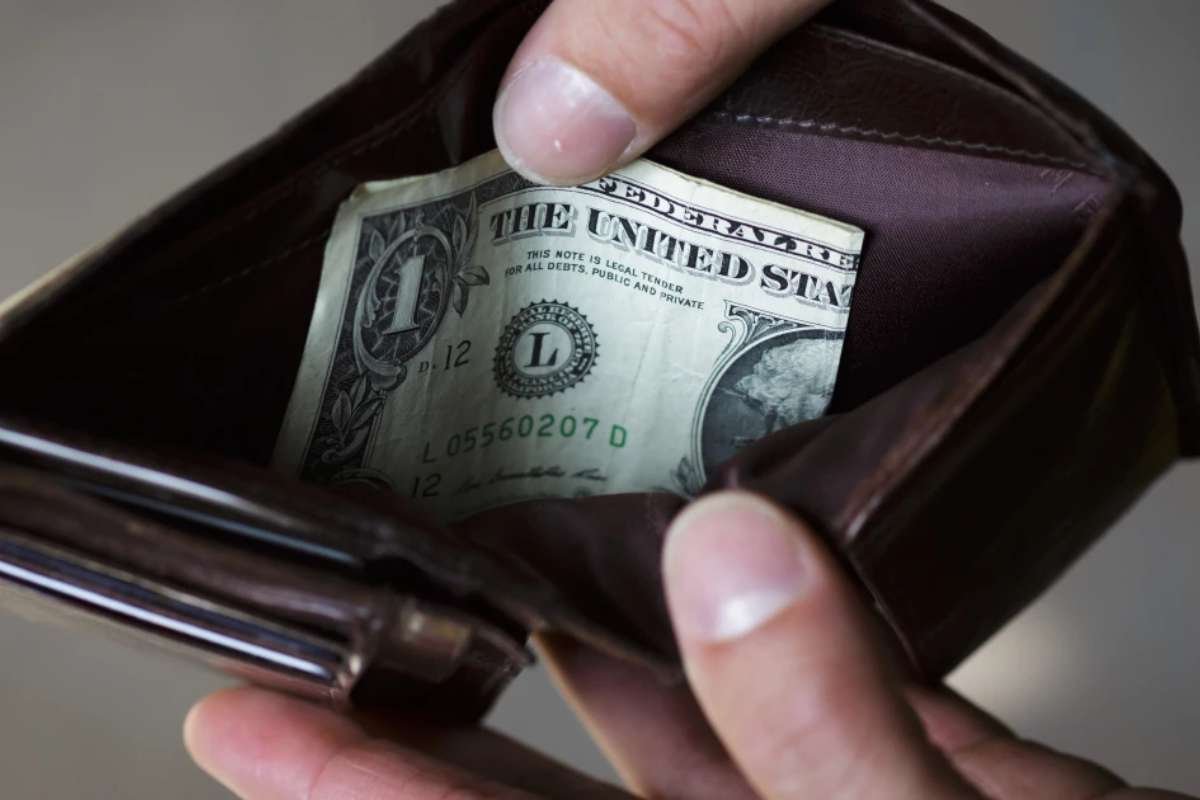
A dream like this often brings a sense of worry. When reflecting on What Do Your Money Dreams Mean, you may feel unprepared or unsure about the future. It can reflect fear of not having enough, even if things are stable right now. This is not only about money. It can also point to time, energy, or missed planning.
For example, you might see yourself checking an empty account or feeling regret after spending. This can show the pressure you carry in real life. You may feel behind or compare yourself with others. At times, it also highlights a need for better habits. This dream asks you to plan ahead and feel more in control.
8. Counting money in a dream

You may see yourself sitting and counting notes or coins. This often points to focus and self-check. You may be thinking about your progress or what you have achieved so far. It can reflect a need to feel secure and in control. This dream shows you are measuring your efforts and results.
The mood adds more meaning. Calm counting can show balance and clarity. Rushing or making mistakes may reflect stress or pressure. At times, it can also point to overthinking small details. This dream asks you to trust your progress and not get stuck in constant checking.
9. Receiving money in a dream

Getting money from someone can feel reassuring. It often links to support, reward, or recognition. When thinking about what do your money dreams mean, this type of dream may show that you may feel seen or valued in real life. This can come from work, family, or even within yourself. It shows that something you did is being acknowledged.
The source of the money matters. If it comes from someone you know, it may reflect your bond with them. If it comes from a stranger, it can point to unexpected help or new chances. A good feeling in a dream shows comfort with receiving. Feeling unsure may mean you find it hard to accept help.
10. Arguing over money in a dream

Tension around money in a dream often reflects conflict in real life. It may not always be about cash. It can point to value, control, or fairness in a situation. You might feel unheard or pushed into a decision. This dream brings that stress to the surface.
For example, you may see yourself in a heated argument about payment or sharing. This can link to real issues with work, family, or trust. The tone matters. A loud fight may show built-up frustration, while a calm dispute may reflect silent tension. This dream asks you to face the issue and speak clearly.
What are some common biases when interpreting dreams?
Dream meaning can feel clear at first, but the mind often bends the truth. This happens a lot when understanding what do your money dreams mean, as they link to value and control. You may see what you want to see. This can lead to wrong meaning or confusion. Being aware of common biases helps you stay grounded.
Confirmation bias
You may focus only on parts that match your belief. For example, you may see a money dream as a sign of success and ignore signs of stress. This creates a one-sided view. Try to look at the full dream, not just the parts you like.
Emotional bias
Strong feelings can change how you read a money dream. If the dream feels stressful, you may assume it is negative. But stress can also point to growth or change. The same applies to happy dreams about money. Always look beyond the first emotion.
Literal thinking
It is easy to take money dreams at face value. When thinking about what do your money dreams mean. You may think losing money means real loss, or gain means profit. In most cases, it does not. Money often stands for value, control, or self-worth. Think in terms of meaning, not events.
Recency bias
Recent money events can shape your thinking. If you had a spending issue or gain, you may link the dream only to that. While this can be true, it is not always the full picture. Look for deeper patterns beyond recent events.
Overgeneralization
One What Do Your Money Dreams Mean does not define everything. You may apply the same meaning to all money symbols. This limits your understanding. Each dream has its own context. Stay flexible and open.
External influence bias
Advice from others can shape your thoughts. You may read about money dreams and accept one meaning fully. But dream meaning is personal. What fits one person may not fit you. Use outside ideas as a guide, not a rule.
Conclusion:
Money dreams rarely stay on the surface. They come with a feeling, urgency, relief, fear, or even control that lingers after you wake up. When you start paying attention to those emotions, the meaning becomes clearer. It is less about the money itself and more about what it represents in your life.
Knowing the answer to “what do your money dreams mean?” can help you notice patterns in your thoughts and behavior. These dreams can point to stress, ambition, insecurity, or even a need for balance. The more you reflect on them, the easier it becomes to connect those signals to your real life and make sense of what your mind is trying to process.
FAQs
1. Why do I dream about money so often?
Frequent money dreams may reflect ongoing stress, goals, or concerns related to stability and success.
2. Is dreaming about finding money a good sign?
It usually represents opportunity, confidence, or a sense of gaining something valuable, not always financial.
3. Are money dreams always related to finances?
No, they often reflect emotions like security and control, rather than actual financial situations.