
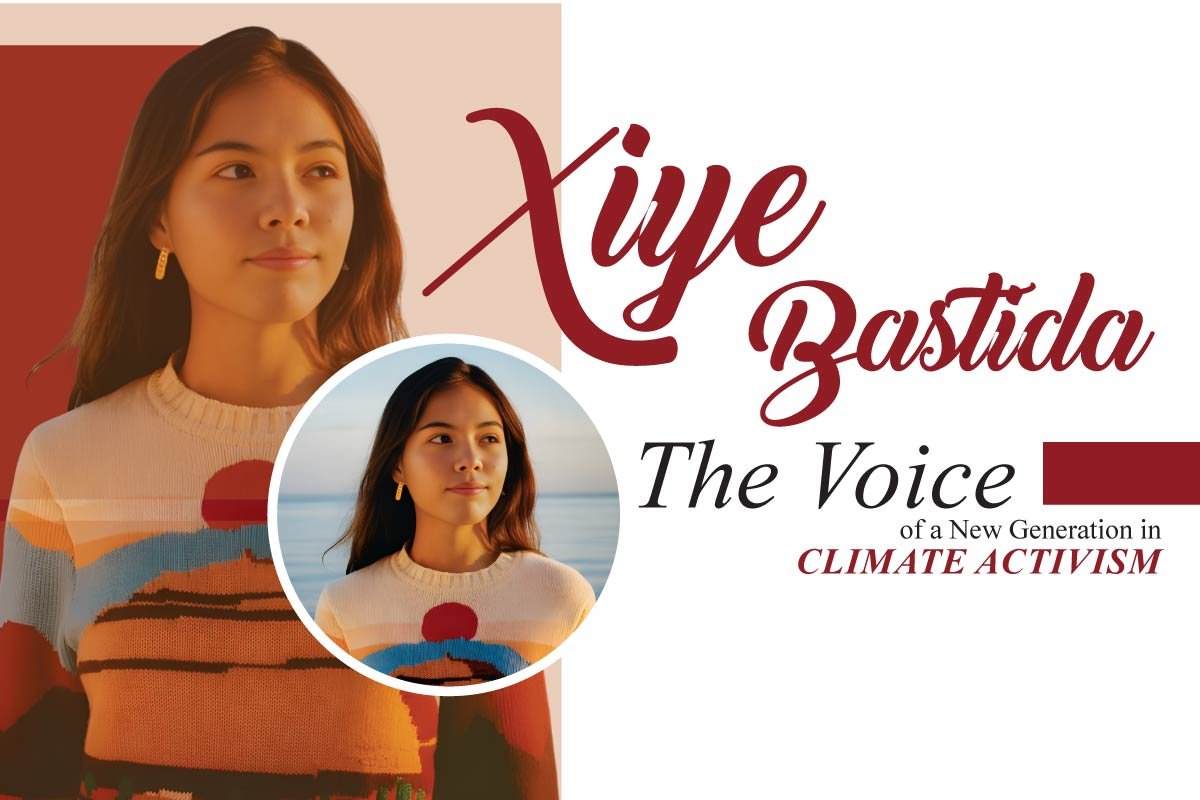
Known as ‘America’s Greta Thunberg’, Xiye Bastida is a Mexican climate activist and a member of the Indigenous Otomi community. At the age of 21, she has emerged as a powerful voice advocating for a more inclusive and diverse approach to environmental activism. She works to make sure that the voices of indigenous people and immigrants are heard in the fight against climate change.
Xiye Bastida is part of the administration committee for the People’s Climate Movement and has previously been involved with groups like the Sunrise Movement and Extinction Rebellion. Her journey into activism is deeply rooted in her upbringing and personal experiences with climate change.
Early Life of Xiye Bastida

Xiye Bastida was born in Atlacomulco, Mexico, on April 18, 2002, to parents Mindahi and Geraldine, who are both environmentalists. She grew up in the town of San Pedro Tultepec in Lerma. Her father is of Otomi heritage, while her mother is Chilean and has Celtic roots. Xiye has both Mexican and Chilean citizenship.
In 2015, after their hometown experienced severe flooding following three years of drought, Xiye and her family moved to New York City. She attended The Beacon School and began her studies at the University of Pennsylvania in 2020.
Her family’s strong environmental values shaped her early life. Her parents instilled in her a profound respect for nature. The philosophical teachings from her Indigenous heritage emphasized a reciprocal relationship with nature: “We all take care of the earth because the earth takes care of us.” This belief helped her in shaping her path as an activist.
Major Career and Personal Accomplishments
Xiye has been a leader in the youth climate movement, organizing climate strikes and protests since 2019. Some of her major accomplishments and achievements are listed below.
- In 2018, Xiye Bastida was invited to speak at the 9th United Nations World Urban Forum about indigenous beliefs and perspectives. That same year, she received the “Spirit of the UN” award for her efforts.
- In September 2019, she helped organize a major climate strike in New York City that drew 300,000 participants.
- In 2021, she spoke at the Biden Climate Summit in front of 40 world leaders and later closed the World Leaders Summit at COP26. Xiye aims to connect policies, youth involvement, and funding to strengthen the climate movement. She was also named an Ambassador to the United Nations High-Level Champions.
- She also serves as a commissioner on the Climate Governance Commission, working with notable figures like Maria Fernanda Espinoza, Johan Rockstrom, and Mary Robinson.
- She also supports the Fossil Fuel Non-Proliferation Treaty and wrote the first chapter of the book “All We Can Save Anthology.”
- She received the United Nations Spirit Award in 2018 and was named ELLE Woman of the Year in 2023.
- She started a training program for young activists to help grow the climate justice movement and is also a member of the Sunrise Movement and Extinction Rebellion.
Alongside her activism, Xiye is an undergraduate student at the University of Pennsylvania, where she studies Environmental Studies with a focus on Policy and has a minor in Latin American Studies. She is also involved with a group called Fossil Free Penn.
Challenges and Struggles
After Xiye Bastida moved to New York in 2015, she faced numerous challenges that shaped her career as an activist and leader. Some of these challenges are:
1. Language Barrier
Xiye has grown up speaking Spanish and found it difficult to communicate in her new surroundings. This language barrier made it difficult for her to socialize and fully participate in her education. To improve her English-speaking skills, she created her own “English boot camp.” She listened to music, watched Hollywood movies repeatedly, and practiced speaking as much as she could. Her hard work paid off; by the end of eighth grade, she had improved her language skills and graduated as valedictorian and class president.
2. Cultural Adjustments
Moving from a small town in Mexico to a busy city like New York was a big cultural change for Xiye. She experienced culture shock, especially in understanding the social dynamics of her new school, which had many Black and Hispanic students. The differences in educational quality and resources compared to what she knew in Mexico were also difficult to accept. She adapted by engaging with her classmates and finding supportive communities in her school. She joined environmental clubs, which helped her connect with others who shared her passion for climate activism. These experiences broadened her views of social justice, especially regarding environmental racism and educational inequality.
3. Awareness of Social Injustices
As Xiye Bastida settled into life in New York, she became more aware of the systemic injustices in the city, such as the segregated school system and environmental racism affecting marginalized communities. Instead of feeling overwhelmed by these injustices, Xiye used them as motivation to fight for change. She began speaking publicly about climate justice and indigenous rights, using her platform to raise awareness about these important issues.
4. Initial Isolation
At first, Xiye felt lonely in a new city where she had no support network. The shift from a close community to a large urban environment left her feeling disconnected at times. To combat her feelings of isolation, Xiye looked for ways to connect with others who shared her interests. She became very involved in the climate movement, joining groups like Fridays For Future NYC. Through these networks, she found friendships with fellow activists who were passionate about environmental issues. This sense of belonging empowered her to take on leadership roles in these organizations.
The Re-Earth Initiative
In response to the need for accessible climate advocacy, Xiye Bastida co-founded the Re-Earth Initiative on Earth Day, April 22, 2020. It is a youth-led international nonprofit organization that focuses on empowering frontline communities and making the climate movement more inclusive. The initiative has grown to include members from over 26 countries and emphasizes youth leadership in environmental issues.
The Re-Earth Initiative was born from a global call to action on Earth Day’s 50th anniversary, mobilizing thousands of people to make climate pledges—one individual and one systemic. This campaign successfully reached over 300,000 individuals across 40 countries, establishing a strong foundation for the organization.
The initiative seeks to address the gaps in knowledge, awareness, and participation in climate action. It recognizes that not everyone has the same resources or opportunities to engage in environmental activism and thus aims to provide diverse avenues for involvement.
Career and Personal Goals
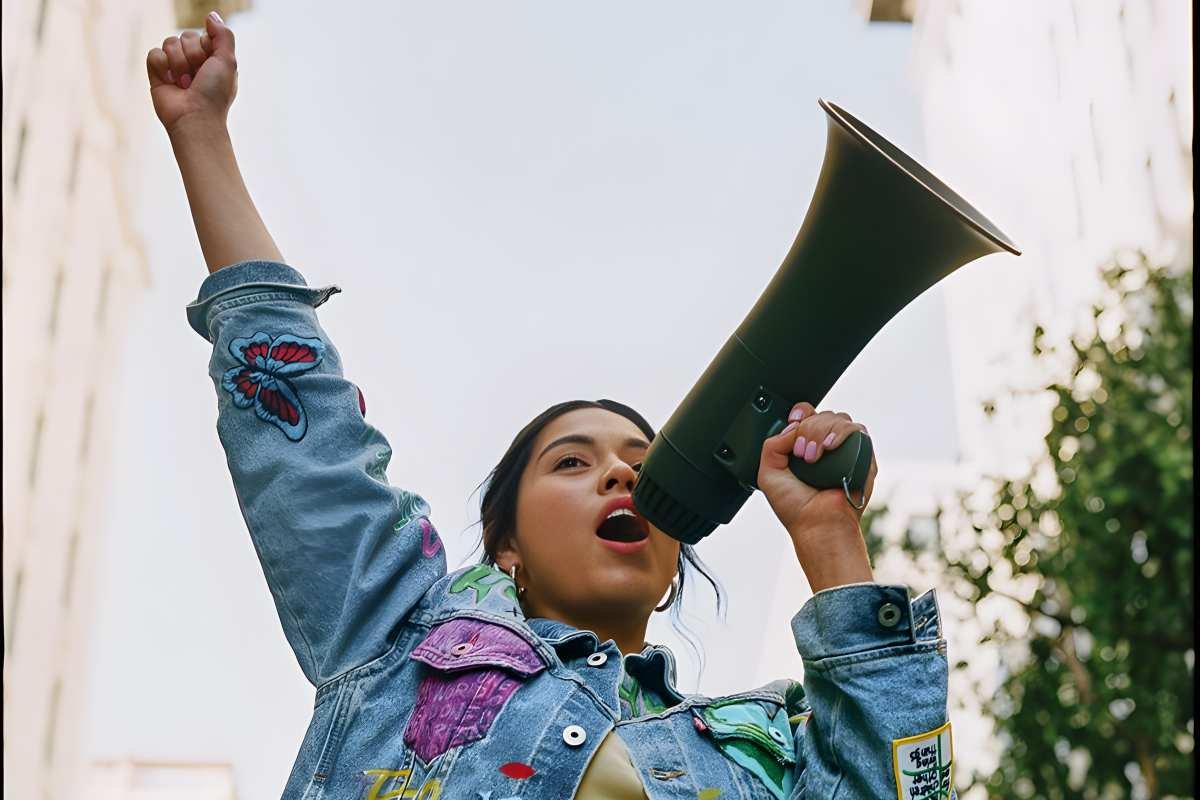
In the coming years, Xiye wants to expand the Re-Earth Initiative so that it can fund environmental restoration projects around the world. She aims to support projects that are genuine and not deceptive or simply about offsetting carbon emissions. Xiye Bastida believes that big environmental organizations should be doing this, but she hasn’t seen enough action in that area. Therefore, she feels it’s time to take matters into her own hands by raising funds and ensuring that the money directly supports these projects.
On a personal level, Xiye plans to continue organizing climate strikes and getting more involved in policy and legislation. She wants to push for changes that will make a real difference in the fight against climate change.
Xiye Bastida’s Legacy For Young Women
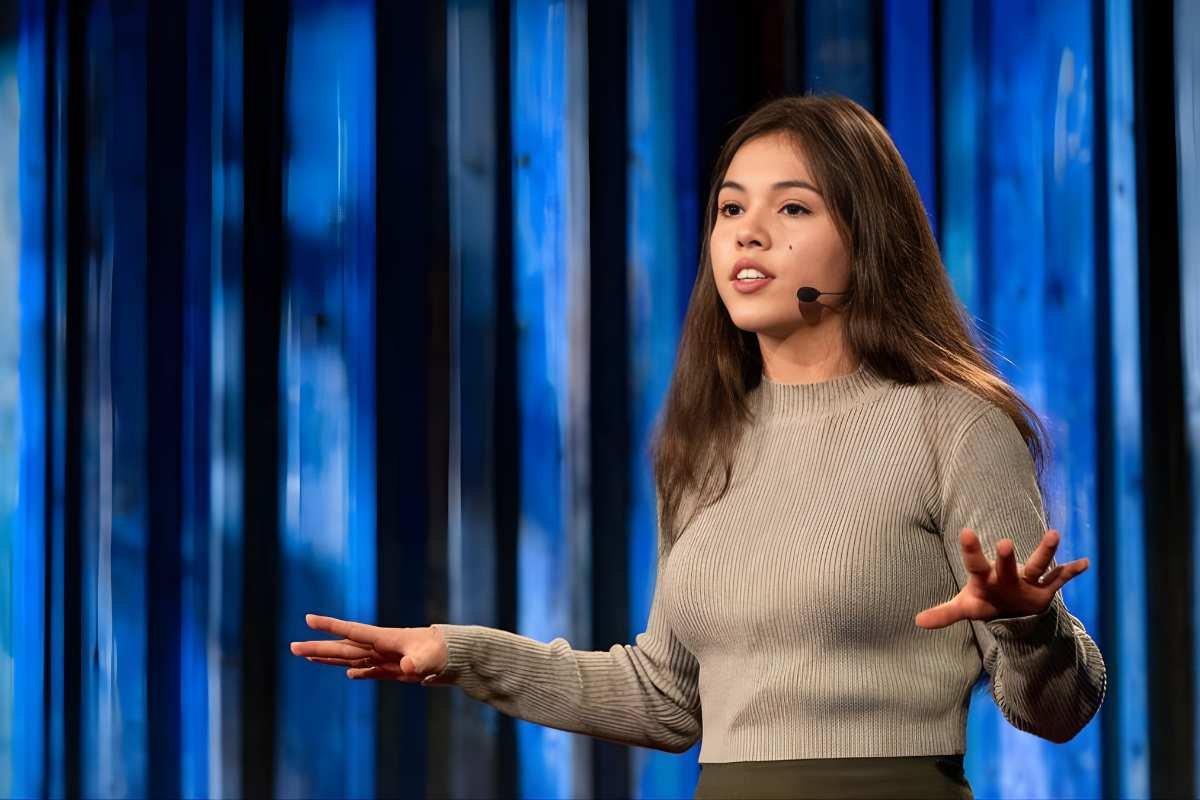
Xiye’s hopes and vision are to be a role model for young women and girls who want to make a difference in the world. She believes that if her parents hadn’t encouraged her to pursue her dreams, she might not be where she is today. To inspire others, especially young girls, it is important to show them that we believe in their potential. Xiye thinks that this support is often lacking.
She wants to demonstrate that it is possible to choose a path in life that contributes to making the world a better place. She also aims to bring more attention to intersectionality and justice within the climate movement. In the past, the focus has primarily been on protecting parks and natural areas, but Xiye believes we cannot separate ourselves from nature. She insists that it is essential to protect communities that are most affected by pollution and environmental issues.
Conclusion
At a very young age, Xiye Bastida is a key figure in climate activism, and her work inspires us all to take action. Her story shows how young people can make a big difference in creating a better future. As we deal with the issues caused by climate change, she reminds us that everyone can help in building a sustainable world. It’s important for each of us to adopt habits that care for our planet and support rules that will keep the Earth livable for future generations.