
Asynchronous communication allows people to communicate without replying instantly. This blog explains how women leaders use emails, video updates, project tools, and messaging platforms to manage teams more efficiently. It also highlights the benefits of better flexibility, productivity, collaboration, and reduced workplace stress in modern remote and hybrid work environments.
Modern work looks busy. Notifications blink every minute. Meetings swallow calendars. Yet most teams still struggle to communicate clearly. Strange, right?
Now imagine this. A leader sends updates without interrupting anyone’s focus. Employees reply when they are ready. Projects move ahead without endless calls. Stress drops. Productivity rises. People finally breathe between tasks.
That is the power of asynchronous communication.
It allows people to communicate without expecting an instant response. One person sends information. The other reads and responds later. Simple idea. Massive impact.
For women leaders, this approach changes everything. It creates flexibility, improves work-life balance, supports remote teams, and removes pressure from nonstop real-time conversations. In modern workplaces, smart communication no longer means constant availability. It means clarity, structure, and trust.
This approach doesn’t just solve logistics; it transforms how teams actually work together. Curious how top companies made this shift? Stick around. The answers might surprise you.
Types of asynchronous communication for women leaders
Women leaders often manage multiple responsibilities at once. They guide teams, handle operations, support employees, and maintain strategic direction. Strong communication systems help them lead without burnout.
Here are the most effective types that are used today.
1. Email communication
Email remains one of the strongest examples of asynchronous communication because employees can read and respond later without interrupting their workflow.
For example, Indra Nooyi was known for detailed written communication with employees and leadership teams during her time at PepsiCo. Large organizations often rely on email for leadership announcements, performance reviews, policy updates, and strategic discussions.
A woman HR director managing offices across multiple countries may send quarterly policy updates through email. Employees review the information according to their schedules and respond when necessary.
Platforms like Microsoft Outlook and Gmail Workspace support this communication model.
According to Microsoft Teams, structured written communication improves clarity and reduces workplace confusion.
2. Recorded video messages
Recorded video updates help leaders communicate personally without scheduling live meetings.
For example, Whitney Wolfe Herd has openly supported a flexible digital communication culture in remote workplaces. Many women executives now use recorded video updates to connect with distributed teams.
Using Microsoft Teams Video Messaging or Loom, a female executive can record monthly company updates, performance summaries, or motivational messages for employees worldwide.
Team members watch the recording when convenient instead of joining long meetings.
This approach improves flexibility and keeps remote employees connected.
3. Project management platforms

Project management tools are powerful examples because they organize tasks without requiring constant discussions.
Popular platforms include:
- Asana
- Trello
- ClickUp
For example, a woman marketing manager leading an international product launch may assign tasks, track deadlines, and monitor campaign progress directly inside Asana.
Designers upload creatives, writers update content status, and developers report completion timelines asynchronously. The leader reviews updates later without interrupting the team’s workday.
This reduces unnecessary meetings and improves accountability across departments.
4. Collaborative documents
Shared online documents allow teams to work together over time instead of depending on live brainstorming sessions.
For example, teams at Google commonly use collaborative documents to manage projects and review ideas remotely.
Platforms like Google Docs and Notion help employees contribute ideas whenever they are available.
A woman content strategist planning a social media campaign can create a shared document where team members add headlines, visuals, and campaign suggestions over several days.
This method improves transparency, creativity, and documentation quality while reducing scheduling pressure.
5. Internal messaging platforms
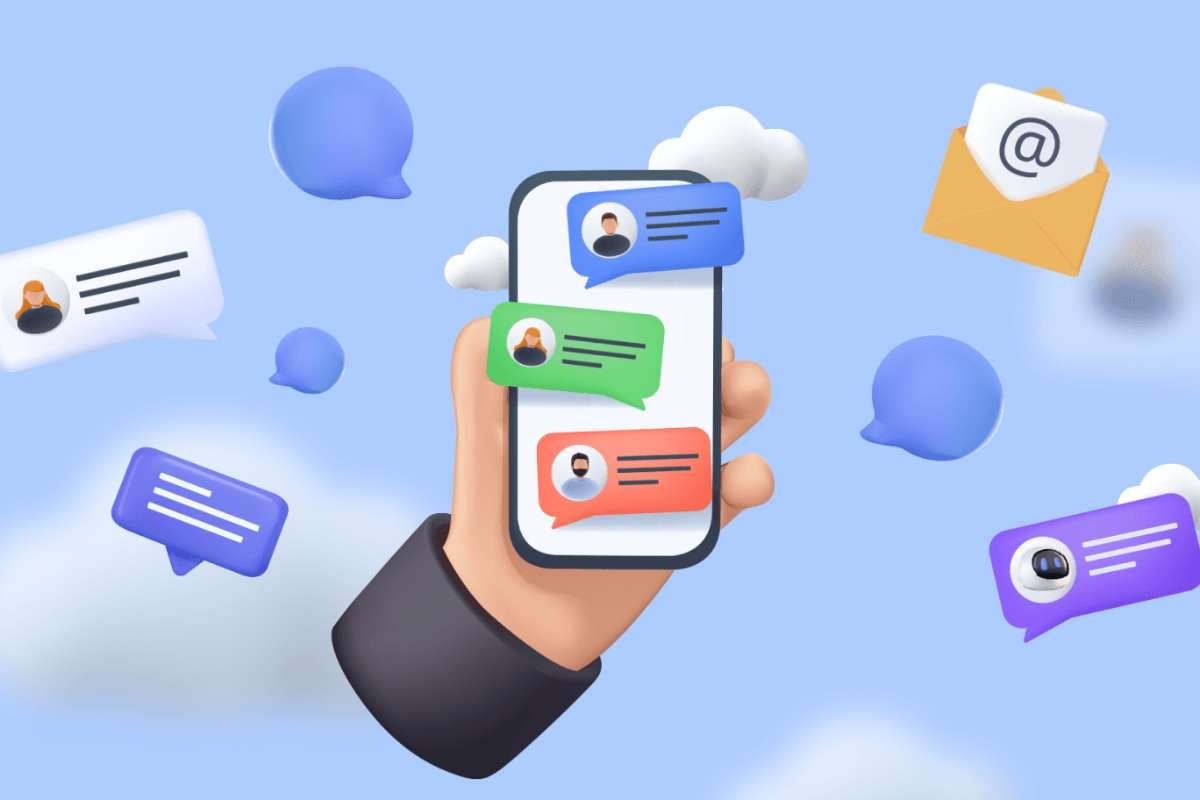
Messaging platforms support delayed-response communication without requiring employees to reply instantly.
Popular tools include:
- Slack
- Microsoft Teams
For example, a woman operations leader managing hybrid employees may post project updates inside Slack channels instead of organizing frequent meetings.
Employees read updates during working hours and respond later based on priority.
Companies like Shopify have promoted asynchronous workplace practices to reduce unnecessary meetings and support remote productivity.
This communication style allows employees to focus deeply on work without constant interruptions.
6. Knowledge bases and documentation systems
Knowledge systems allow organizations to store important information in centralized digital libraries.
Popular platforms include:
- Confluence
- Notion
For example, a woman operations manager may create onboarding guides, SOPs, workflow instructions, and training resources inside Confluence.
Employees access information independently as needed, rather than repeatedly asking managers for guidance.
Companies like Atlassian actively support a documentation-first workplace culture to improve remote collaboration.
This strengthens organizational efficiency and supports scalable leadership systems.
7. Voice notes and audio updates
Voice notes provide quick and personal communication for busy leaders.
Platforms like WhatsApp Business, Slack Huddles, and Telegram allow users to send audio updates instead of typing long messages.
For example, a woman startup founder traveling between meetings may record voice instructions for her remote team instead of writing lengthy emails.
Employees listen later and respond when available.
This saves time, adds emotional clarity, and creates a stronger team connection without requiring live conversations.
Voice-based asynchronous communication works especially well for fast-moving remote teams and leadership communication.
Conclusion
Funny thing about work today. People spend hours talking but still miss the point. Endless meetings drain energy, calendars stay packed, and focus disappears before lunch.
That is why asynchronous communication matters so much now.
It gives people room to think, work, and respond with clarity rather than under pressure. For women leaders, it creates flexibility, balance, and smarter collaboration across modern teams.
The future of work does not belong to the loudest meeting room. It belongs to clear communication, thoughtful leadership, and systems that respect people’s time. Sometimes the smartest response is not immediate. It is intentional.
FAQs
Q) What is asynchronous communication in simple words?
Asynchronous communication means people communicate without responding at the same time. Messages can be answered later.
Q) What are examples of asynchronous communication?
Examples include emails, recorded videos, Slack messages, shared documents, project management tools, and voice notes.
Q) Why is asynchronous communication important?
It improves flexibility, productivity, focus, and work-life balance while reducing unnecessary meetings.
Q) How does asynchronous communication help women leaders?
It allows women leaders to manage teams efficiently, reduce burnout, support remote collaboration, and improve time management.
Q) What tools support asynchronous communication?
Popular tools include Slack, Asana, Trello, ClickUp, and Microsoft Teams.
Q) Is asynchronous communication better than meetings?
Not always. Both methods work best together. Teams should use meetings for urgent discussions and asynchronous communication for updates, planning, and collaboration.