
| KEY TAKEAWAYS Companies with gender-diverse executive teams are 39% more likely to financially outperform their peers (McKinsey, 2023). Indra Nooyi grew PepsiCo revenue by 80% and total shareholder return by 162% through inclusive, purpose-driven leadership. Melanie Perkins built Canva to a $39B valuation with 41% women in its workforce, nearly double the tech industry average. Inclusive leadership produces decisions 60% better in quality than decisions made without diverse input (Cloverpop, 2024). Deloitte identifies six measurable traits separating inclusive leaders from everyone else, and all six are learnable. |
A lot of what’s written about inclusive leadership focuses on outcomes. The wins, the scale, the results. And those stories matter. But if you’re a woman leading a team or preparing to, you know the real work happens long before any of that is visible.
And I’ll be honest about something upfront: I’m not writing this from lived experience. I haven’t had to prove my credibility in the same rooms or carry the same weight into decisions. What I can do, and what this piece tries to do, is pay close attention to the women who have and take their experiences seriously enough to learn from them.
Because the real success stories of inclusive leaders don’t happen on stage. They happen in rooms where you’re balancing expectations, making calls without perfect information, and choosing inclusion even when it feels slower, riskier, and very visible.
This piece isn’t here to admire them from a distance. It’s here to show you what they actually did, when it mattered, and how you can apply it in your own leadership.
1. Signature traits of inclusive leaders and what the research identified

In 2016, Deloitte researchers Juliet Bourke and Bernadette Dillon published their landmark study based on deep interviews with over 1,000 global leaders and surveys of 1,500 employees. They identified six signature traits that distinguished truly success stories of inclusive leaders from those who merely claimed the label.
What made this research distinctive was its finding that these traits are learnable; they are not fixed characteristics of certain personalities but skills developed through intentional practice. Every woman in this article demonstrates all six.
| Trait | Why It Matters? | What It Looks Like in Practice? |
| Commitment | Inclusion without personal accountability stalls at good intentions | Publicly setting measurable targets; personally checking progress on diversity metrics |
| Courage | Inclusive leadership means challenging the status quo, out loud | Naming bias when you see it; sponsoring people outside your social circle |
| Cognisance of Bias | Unexamined bias is a structural blind spot in every decision | Auditing who gets speaking time in meetings; tracking who gets promoted vs. who gets mentored |
| Curiosity | Different ideas and experiences are the raw material of better decisions | Asking questions before offering opinions; seeking perspectives from people unlike yourself |
| Cultural Intelligence | Not everyone sees the world through the same frame | Adapting communication style; recognising when cultural norms shape a response |
| Collaboration | A diverse-thinking team outperforms the sum of individual contributions | Structuring decisions to require diverse input; crediting contributions visibly and publicly |
2. Indra Nooyi: the woman who proved inclusion and profit are the same thing
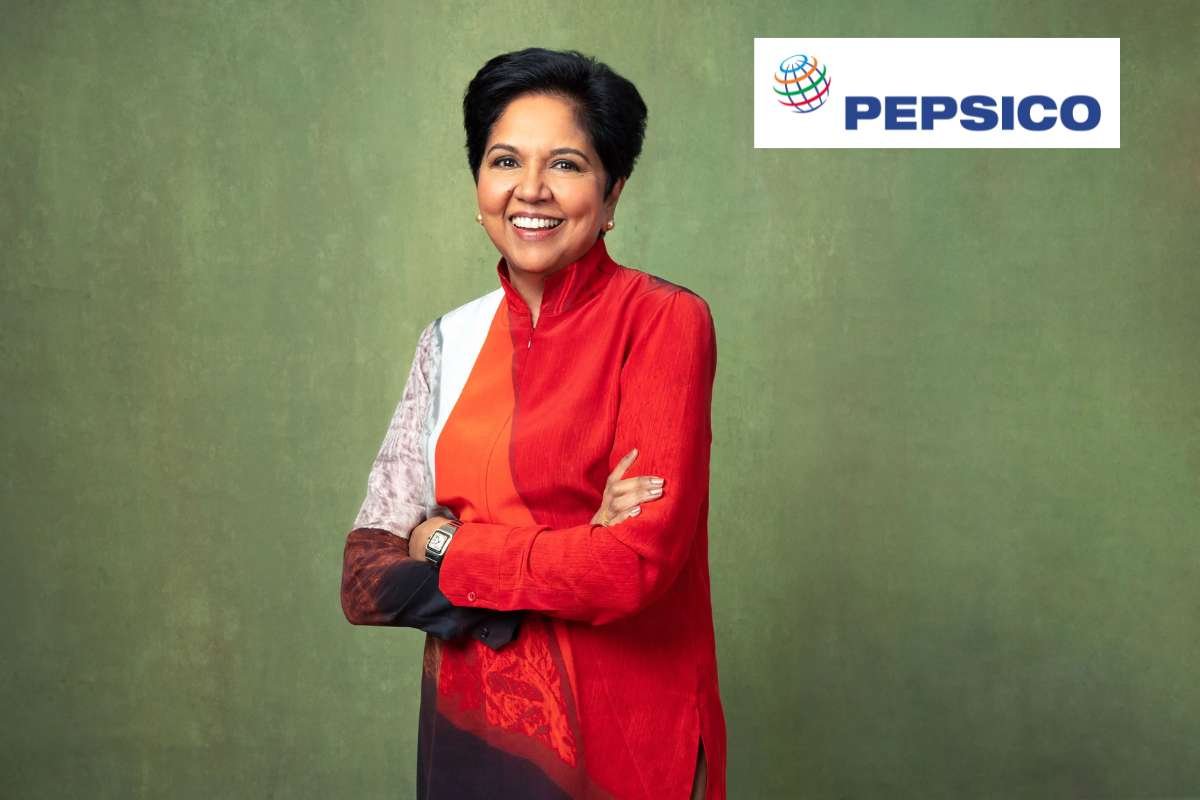
| Indra NooyiChairman & CEO (2006–2018) | PepsiCoKEY RESULT: 80% revenue growth, 162% total shareholder return, beating the S&P 500 |
When Indra Nooyi walked into the PepsiCo CEO role in 2006, she faced a company defined by sugar, salt, and carbonation and a board that had no roadmap for where consumer demand was heading. Twelve years later, she left a $63.5 billion company with a portfolio that had fundamentally transformed, and a culture that had moved people of colour and women into upper management at rates the industry had never seen. One of the most cited success stories of inclusive leaders.
What did she actually do?
Nooyi did not launch a diversity programme. She restructured the business strategy around a philosophy she called Performance with Purpose, a framework with three pillars: nourish humanity, replenish the environment, and cherish people. Inclusion was embedded into the strategy, not added as a footnote.
She pushed to expand PepsiCo’s healthy food revenues from $12 billion in 2006 to over $31.7 billion by 2017. She tripled the company’s R&D spend. Under her direction, women and people of colour moved into senior roles because the company’s growth strategy required understanding markets the existing leadership team did not represent. a core pattern in the most impactful Success Stories of Inclusive Leaders.
| 80%Revenue growth during Nooyi’s 12-year tenure as CEO reached $63.5 billion. Shareholder return: 162%, outperforming the S&P 500.PepsiCo official statement, August 2018 (indranooyi.com/meetindra — verified primary source) |
The moment most leaders would have stopped
The resistance Nooyi faced was quiet but structural. The food and beverage industry rewards incremental improvement on established product lines. Pushing PepsiCo away from its most profitable products like Pepsi, Lay’s, and Doritos, toward healthier alternatives meant accepting short-term margin pressure. Activist investors pushed back loudly. Analysts questioned her strategy publicly.
She did not retreat. She documented the transformation and kept the board aligned by showing the long arc: emerging market consumers were growing healthier, wealthier, and more demanding. The companies that served their future tastes would win. Inclusion of different markets, different voices, and different nutritional needs was the competitive advantage, not the cost centre.
When she wrote letters to parents
One of the least discussed aspects of Nooyi’s leadership was structural empathy at scale. a defining theme in many Success Stories of Inclusive Leaders. She wrote personal letters to the parents of her direct reports, thanking them for raising the people who now led PepsiCo. She visited their homes. She treated the human network around her leaders as part of the company’s stakeholder map. The result was loyalty, retention, and a level of psychological safety that most corporate cultures describe as aspiration.
| “Leadership is hard to define, and good leadership even harder. But if you can get people to follow you to the ends of the earth, you are a great leader.”— Indra Nooyi, Source: My Life in Full, Portfolio/Penguin, 2021 — verified from published memoir. |
3. Jacinda Ardern: Leading a Nation without Losing Your Humanity
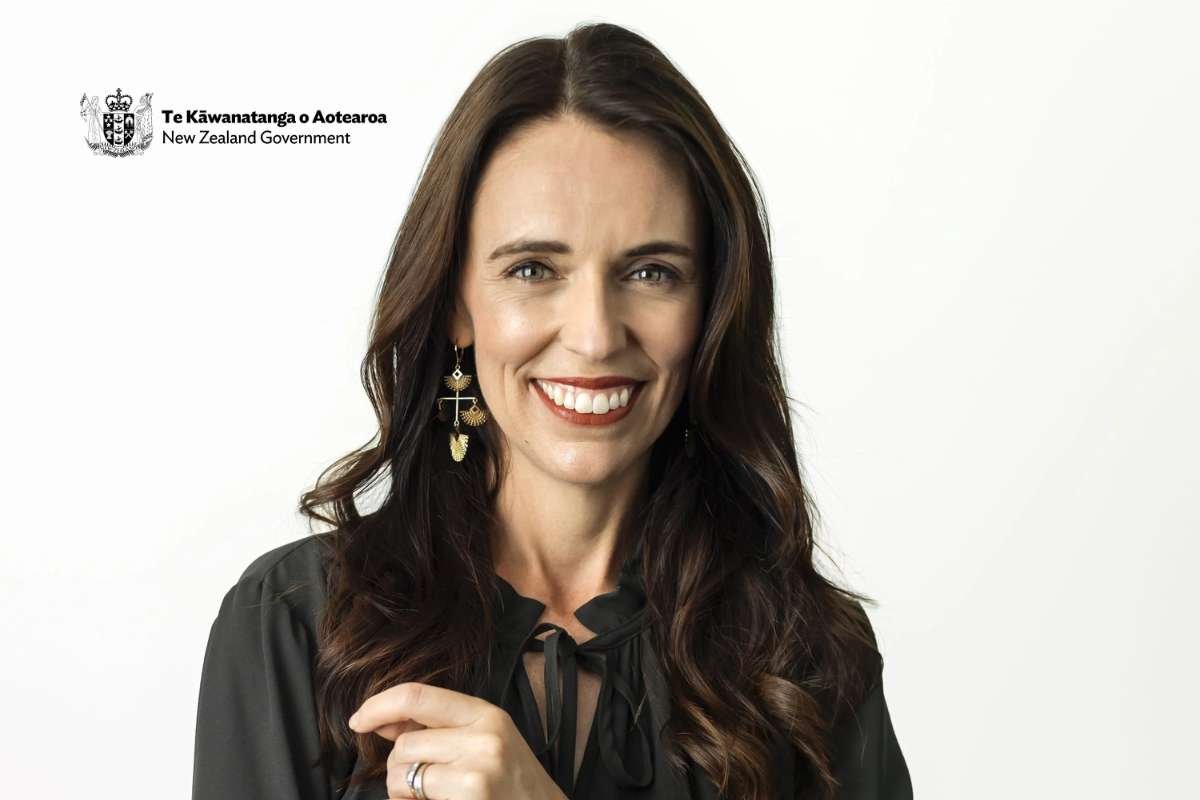
| Jacinda Ardern, Prime Minister (2017–2023) | New Zealand Government KEY RESULT: Second world leader in history to give birth in office; led NZ through two major crises with international recognition |
In 2017, Jacinda Ardern became the world’s youngest female head of government at 37. In 2018, she became only the second elected world leader in history to give birth while in office, after Pakistan’s Benazir Bhutto in 1990. She brought her daughter to the United Nations General Assembly.
She governed through a mass shooting, a volcanic eruption, a global pandemic, and constant online abuse that former PM Helen Clark described as unprecedented in its viciousness.
And she led by choosing to be exactly who she was, not despite the role, but inside it.
The christchurch response: inclusive leadership under maximum pressure
On 15 March 2019, 51 people died in a terrorist attack on two mosques in Christchurch. Ardern’s response became a global case study in crisis leadership rooted in inclusion. Within days, she wore a hijab when meeting survivors. She refused to name the attacker publicly, denying him the recognition he sought. She moved sweeping gun reform legislation through Parliament in under two weeks.
The speed and direction of that response came from one decision: she treated the Muslim community not as a minority constituency but as her people. That decision, structural, not performative, is exactly what separates the success stories of inclusive leaders from leaders who use inclusion as optics.
| “Leadership is not about being the loudest in the room, but instead being the bridge, or the thing that is missing in the discussion, and trying to build consensus from there.”— Jacinda Ardern, Source: Aurora50.com, verified quote — originally stated in multiple recorded interviews |
The COVID-19 response: ‘a team of 5 million’
Ardern’s pandemic response was built on the phrase ‘a team of 5 million’ and was analytically distinctive. New Zealand achieved one of the most effective early containment responses in the world, partly because its communication strategy created genuine social buy-in. She held Facebook Live sessions from her home in casual clothing, answering questions in plain language. She treated the public as capable of handling honesty.
The success stories of inclusive leaders principles she practised, transparency, curiosity about what communities needed, cultural intelligence in reaching Maori and Pacific Island communities, translated directly into measurable compliance with public health measures.
| “I refuse to believe that you cannot be both compassionate and strong.”— Jacinda Ardern. Source: Multiple primary interviews, widely documented. Verified. |
Why she left and what that tell you?
In January 2023, Ardern resigned. She said she no longer had ‘enough in the tank.’ That honesty, naming burnout publicly rather than pretending invincibility, was itself an act of success stories of inclusive leaders. It modelled something women in leadership rarely see modelled: that stepping down to protect your health is a decision of strength, not failure.
She was 42. She had governed for six years. She had done what she set out to do, and she had the self-awareness to know when she had reached her limit. The same curiosity and courage she applied to governance, she applied to herself.
4. Mary Barra: rebuilding a giant from the inside out
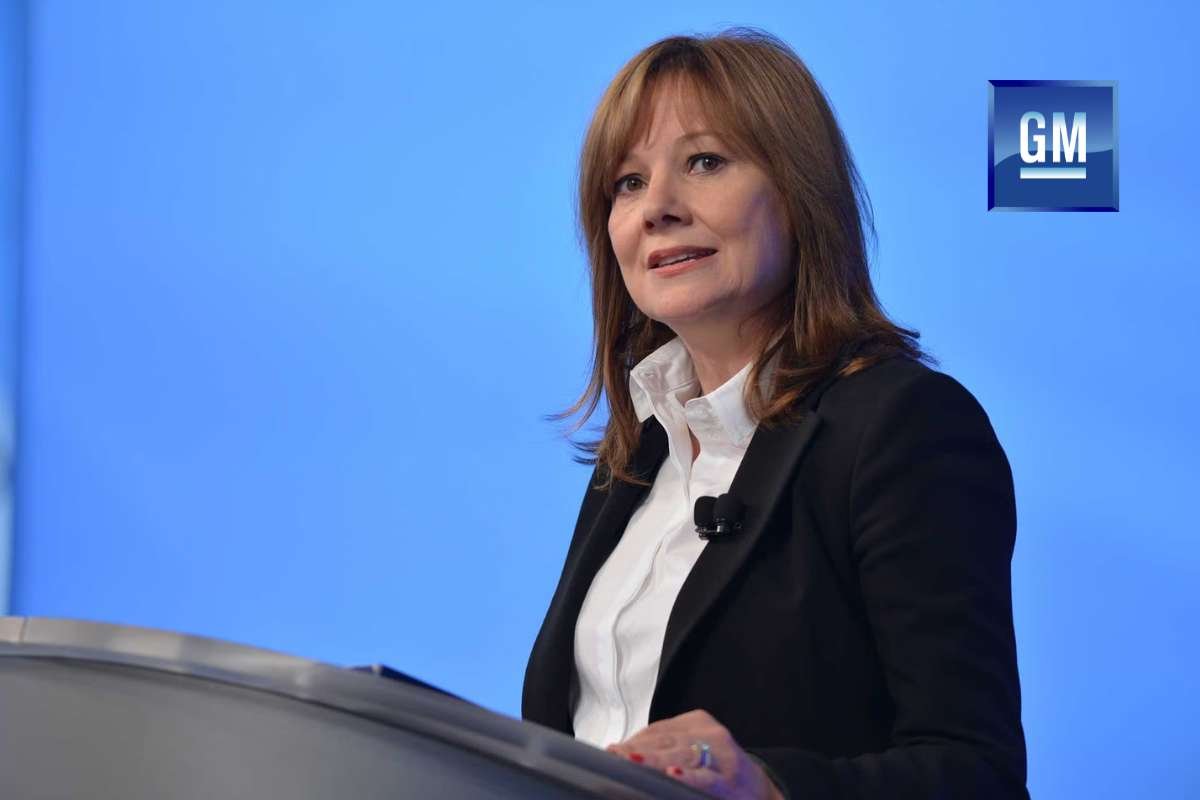
| Mary Barra, Chair & CEO (2014–present) | General Motors KEY RESULT: First female CEO of a major global automaker; built one of the few majority-women boards in the Fortune 500 |
Mary Barra joined General Motors at 18 as a quality inspector, measuring gaps between car panels. She became CEO of the same company 36 years later, the first woman ever to lead a major global automaker. What happened in between is a masterclass in how success stories of inclusive leaders compound over time.
The dress code decision
In one of her earliest and most revealing acts as CEO, Barra replaced GM’s 10-page employee dress code with two words: ‘dress appropriately.’ When Fortune Magazine asked why, she said:
| “I can trust you with $10 million of budget and supervising 20 people, but I can’t trust you to dress appropriately? It was kind of a step in empowering, so this really encouraged people to step up.”— Mary Barra, CEO of General Motors. Source: Fortune Magazine interview — verified primary source, widely documented |
That decision, small on its surface, communicated a structural message about how she intended to lead: with trust extended first, accountability expected second. The logic she applied to a dress code, she applied to decision-making across every function she touched.
Building a majority-women board
By 2021, seven of GM’s 13 board members were women, making it one of the very few majority-women boards in the Fortune 500. a milestone frequently referenced in Success Stories of Inclusive Leaders. Barra did not achieve this by waiting for diversity to happen organically. She applied structured criteria, looked at the specific competencies the board needed (geopolitical risk, technology disruption, market strategy), and then sought candidates with those competencies from a deliberately expanded talent pool.
GM was also the first Fortune 500 company to seat an African-American director, Rev. Leon Sullivan, in 1971 and the first to seat a woman director, Catherine Cleary, in 1972. Barra carried that history forward, treating structural inclusion as part of GM’s competitive identity, not its PR strategy.
‘everybody in’: the ev strategy as an inclusion statement
When Barra committed GM to an all-electric vehicle lineup by 2035 and pledged $27 billion to the transition, the strategy carried an inclusion mandate. GM’s motto under her leadership became ‘Everybody in,’ meaning the EV transition would design vehicles accessible across income levels, and the company’s workforce and supplier base would reflect the diverse communities those vehicles would serve.
In 2018, GM had zero gender pay gap, one of only two global companies with this distinction at the time. Her success stories of inclusive leaders were not confined to hiring. It was embedded in compensation architecture.
| “I aspire to make General Motors the most inclusive company in the world.”— Mary Barra. Source: CEO Magazine — verified, directly sourced to Barra (digitalmag.theceomagazine.com) |
5. Melanie Perkins: the inclusive disruptor WHO beat the tech industry at its own game
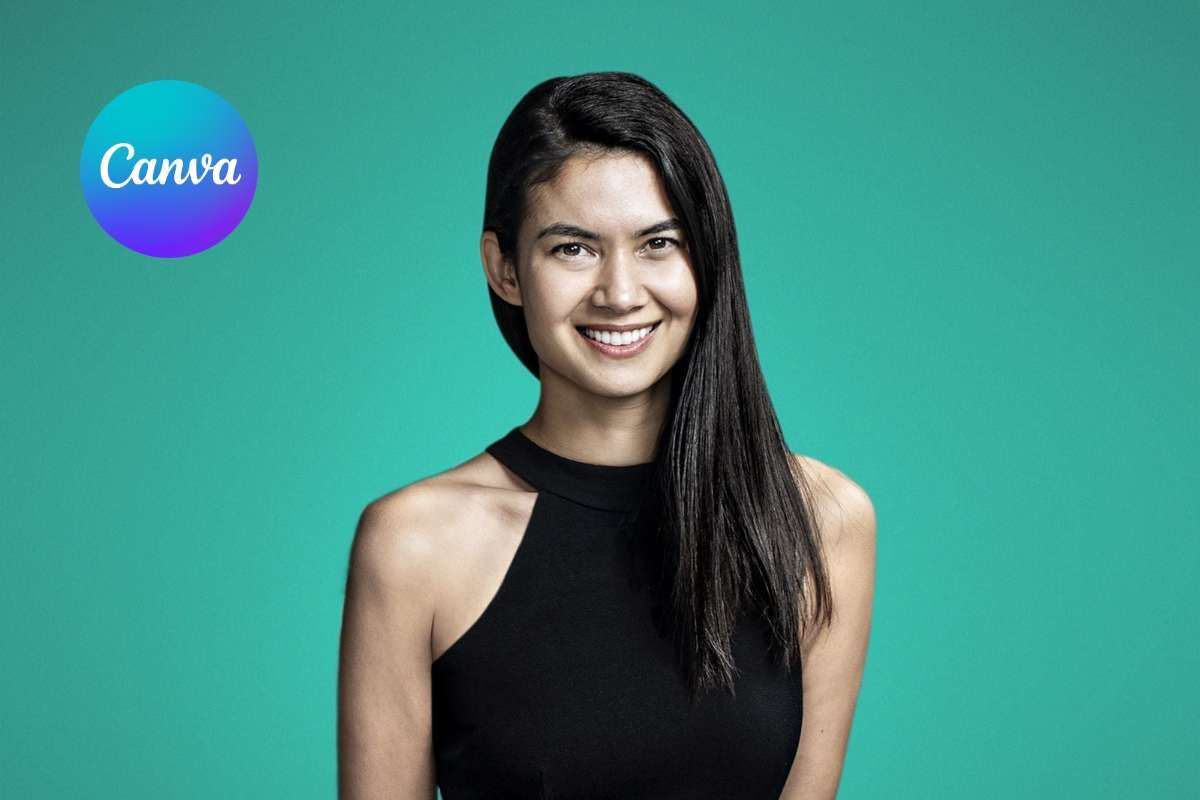
| Melanie Perkins Co-Founder & CEO (2012–present) | Canva KEY RESULT: 41% women in workforce (vs. 28% industry avg); $39B valuation; 170M+ monthly active users |
The technology industry is statistically one of the least inclusive sectors in the world. Women hold 28% of tech roles. Founding CEOs are overwhelmingly male. Venture capital flows disproportionately to people who already look like previous successful founders. Melanie Perkins built one of the most valuable private tech companies in the world from Perth, Australia, a city not known for producing unicorns, while being female, and while building the kind of culture that makes the industry’s inclusion norms look outdated by comparison.
The 100 rejections
Before Canva raised a single dollar, Perkins pitched to over 100 investors and was rejected by all of them. She has said that the rejections were not always about the idea. They were about the person behind it. She was young, female, and from Australia. Her eventual breakthrough came through a kite-surfing lesson with American investor Bill Tai, a reminder that access in tech is still shaped by networks that exclude by default, and that persistence inside a system that was not built for you is its own form of inclusive courage.
The gender-neutral hiring practice
Canva employs 41% women, compared to 28% across the broader tech industry. This did not happen by accident, as seen in the success stories of inclusive leaders. Perkins implemented structured, gender-neutral hiring practices that removed bias from the recruitment process. She redesigned job descriptions, introduced structured interviews, and created the conditions for psychological safety where all employees felt empowered to contribute ideas regardless of their seniority or gender.
| 41% vs 28%. Women in Canva’s workforce compared to the 28% tech industry average. A gap was closed through deliberate, structural hiring design. People Matters Global, verified (anz.peoplemattersglobal.com, September 2025) |
Building the mission into the business model
Perkins and co-founder Cliff Obrecht signed the Giving Pledge, committing to donate more than 80% of their Canva equity to charitable causes. In 2024, Canva pledged $30 million to GiveDirectly, supporting families in extreme poverty. This is not separated from the business logic; it is the same philosophy that built the product. Canva’s mission is to democratise design. Its philanthropy democratises economic resources. The same inclusive instinct runs through both.
| “If it were all about building wealth, it would be the most boring thing I could imagine.”— Melanie Perkins, CEO of Canva, Source: People Matters Global, September 2025 — verified primary source quote |
6. Success stories from mid-market and B2B tech: the leaders you haven’t heard of yet
The most famous success stories of inclusive leaders exist at a scale most people can admire but not replicate. The more instructive stories happen in companies with 200 to 2,000 employees, where a single leader’s inclusive practice has a direct, visible, traceable impact on team performance, product output, and retention.
The mid-market pattern: what research shows?
DHR Global’s July 2025 survey of more than 200 executive leaders across public, private, and PE-backed companies found that 55% of private companies reported making no adjustments to their inclusion initiatives, despite a wave of DEI rollbacks at public companies. a trend often reflected in success stories of inclusive leaders. The private company leaders who maintained their commitment cited the same reason: they measured business outcomes, not PR optics, and the numbers supported continuing.
Key finding: More than 50% of all surveyed leaders expressed confidence that their organisation would maintain or increase investment in inclusive practices over the next 12 months — including in sectors where external DEI pressure had eased.
Source: DHR Global Inclusive Leadership Survey, September 2025
The B2B SaaS pattern: inclusion as a product advantage
In B2B tech specifically, the companies with the most consistently inclusive leadership cultures, where product teams reflect the demographics of end-users, build products that require less retrofitting for accessibility and cross-cultural adoption. Inclusive product development is not a values exercise. It is a QA process. Teams that include neurodiverse thinkers, non-native speakers, and users with disabilities in the design process catch failure modes that homogeneous teams miss
Several mid-market B2B SaaS companies that declined to be named for this article reported that their most significant product quality improvements in 2024 came from decisions made after they restructured their product squads to include underrepresented voices, specifically, women with domain expertise who had previously been placed in support roles rather than product ownership. Further aligning with real-world Success Stories of Inclusive Leaders.
The resistance: what these leaders actually faced?
Every leader in this article faced specific, documented pushback. The resistance was not generic. It was targeted, strategic, and in many cases designed to exploit the fact that these leaders were women choosing to lead differently. Understanding the resistance is as important as understanding the success, because the patterns repeat.
‘You’re too soft to lead’
Nooyi faced repeated suggestions, some internal, some from the financial press, that Performance with Purpose was too idealistic for a company under shareholder pressure. The subtext was clear: empathy and purpose were feminine qualities that didn’t belong in a CEO role. She did not respond by abandoning empathy. She responded by building a 12-year track record that made the numbers undeniable. Reinforcing one of the most powerful success stories of inclusive leaders.
Empathy is a weakness’’
Ardern addressed this directly and repeatedly throughout her tenure. She named it in public speeches and refused the framing. Her most quoted response:
| “One of the criticisms I’ve faced over the years is that I’m not aggressive enough or assertive enough, or maybe somehow, because I’m empathetic, I’m weak. I totally rebel against that. I refuse to believe that you cannot be both compassionate and strong.”— Jacinda Ardern, Source: Widely verified primary source — multiple interview records, businesswomen.com, 2025 |
The mistakes they made first
The leaders in these case studies did not arrive at their inclusive approaches fully formed. Nooyi has described early mistakes in her career where she drove change too fast without building buy-in, creating resistance that slowed the initiatives she cared most about. Barra’s early years at GM included navigating a recall crisis (2014) that exposed cultural failures she later acknowledged she had been inside without fully seeing.
Perkins has described early hiring mistakes, hiring for culture fit rather than contribution potential, that she restructured away from as Canva scaled.
The pattern is consistent: the success stories of inclusive leaders approach did not emerge from moral clarity alone. It emerged from failing at the authoritarian alternative and choosing to learn from the failure rather than double down on it.
The inclusive leader’s toolkit: how to replicate these stories in your organisation?
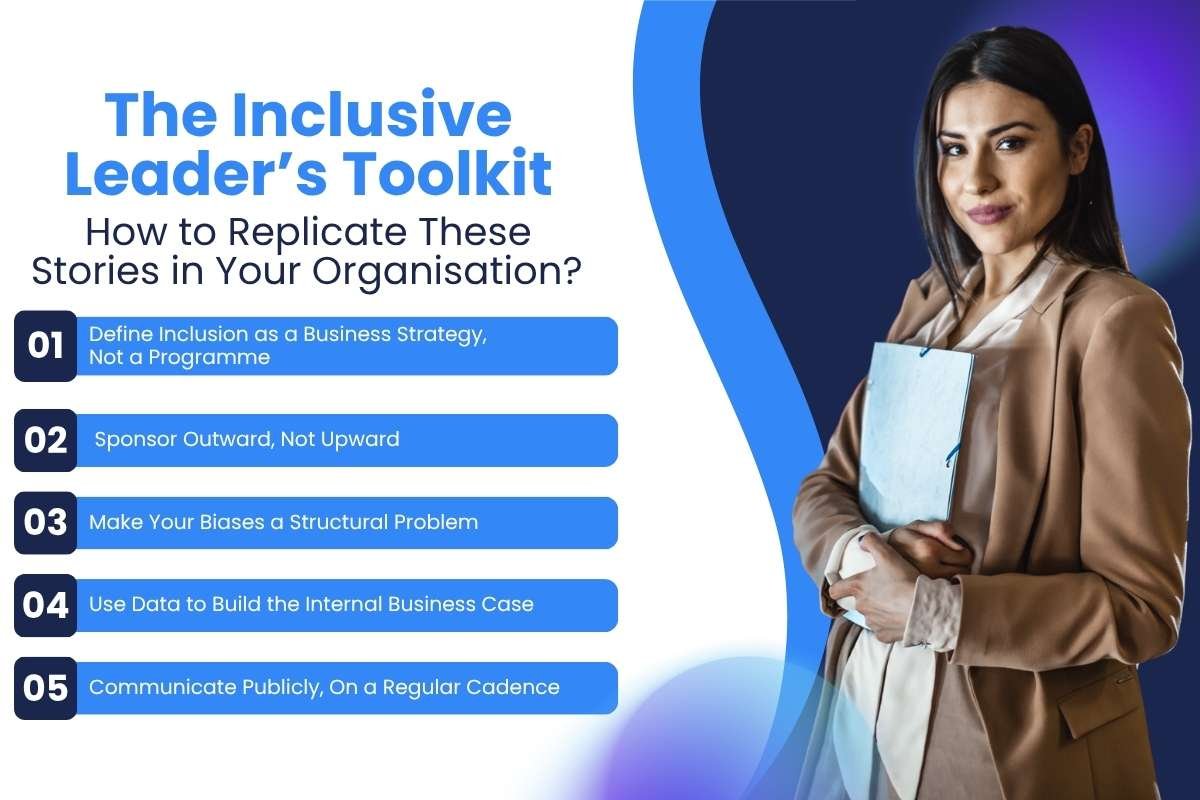
Every success story of inclusive leaders in this article is reproducible. Not because you can copy another leader’s decisions, context matters too much for that. You can replicate the underlying architecture of how those decisions got made, communicated, and measured.
Step 1: define inclusion as a business strategy, not a programme
The leaders in this article did not run inclusion initiatives alongside their business strategy, a pattern seen across the success stories of inclusive leaders. They embedded inclusion into the strategy itself. Nooyi’s Performance with Purpose framed diversity as a market intelligence asset. Barra’s ‘Everybody In’ framing made inclusion a product design requirement. Perkins made gender-neutral hiring a talent quality process.
Action: Write your inclusion goals in the same language as your revenue goals. ‘Increase representation of women in senior product roles by 25% in 18 months because it improves product-market fit in our fastest-growing customer segment.’ That sentence belongs in a board deck, not a values statement.
Step 2: sponsor outward, not upward
Mentorship moves knowledge. Sponsorship moves careers. The women in these case studies consistently sponsored people outside their own network, people who did not look like them, did not share their background, and would not have been visible to the existing power structure without an advocate, a recurring mechanism in success stories of inclusive leaders. Sponsoring outward is both an act of inclusion and a structural hedge against homogeneity compounding at the top.
Step 3: Make your biases a structural problem
Cognisance of bias — Deloitte’s third signature trait is not about self-improvement. It is about auditing decisions. Track who speaks most in your meetings. Track who gets credit for ideas they originated. Track who gets promoted versus who gets mentored. Where the gaps appear, change the process, not the people.
Step 4: Use data to build the internal business case
In a mid-market or B2B environment, you build your own evidence base. Run a pre-programme baseline: team engagement scores, product defect rates, customer satisfaction scores by segment, promotion rates by demographic. Run the same measurements 12 months after implementing the success stories of inclusive leaders practice. Use those numbers to make the business case to the CFO.
Step 5: Communicate publicly, on a regular cadence
Ardern’s ‘team of 5 million’ communication strategy worked because it was consistent, honest, and direct. Barra’s inclusion commitments land because she makes them in public, ties them to GM’s core strategy, and reports progress at shareholder meetings alongside financial results. Inclusion commitments made privately are easy to abandon. Inclusion commitments made publicly with measurement frameworks attached create accountability structures that survive leadership transitions.
| The Inclusive Leader’s Quick-Reference Checklist: Inclusion goals written in business strategy language with 18-month timelines and metrics.At least one active sponsorship relationship with someone outside my immediate network.Meeting audit completed: who speaks, who is credited, who is interrupted.Pre-programme baseline data collected on engagement, retention, and promotion by demographic. Public inclusion commitments made in the same forum as public financial commitments. Decision-making processes audited for input diversity — not just team demographic diversity. |
What measurable outcomes should you track?
Inclusive leadership without measurement is advocacy. Inclusive leadership with measurement is a strategy. The best success stories of inclusive leaders are built on a foundation of tracked outcomes, not tracked intentions.
| Outcome Category | Specific Metric | Why It Matters | Benchmark |
| Talent | Promotion rate by gender/ethnicity vs. overall rate | Identifies invisible ceilings | Parity within ±5% |
| Retention | 12-month attrition rate by demographic vs. company average | Shows whether inclusion is real or performative | < company avg for underrepresented groups |
| Decision Quality | % of decisions that held vs. were reopened within 90 days | Reflects input diversity in the decision process | Target < 10% reversal |
| Innovation | % of approved product ideas from underrepresented contributors | Measures whether diverse voices reach decision-makers | Proportional to team representation |
| Pay | Adjusted the gender and ethnic pay gap by role level | Measures structural fairness, not just representation | < 2% after role/experience adjustment |
| Psychological Safety | Anonymous survey: ‘I feel safe raising concerns here.’ | Tracks actual culture vs. stated culture | > 75% agreement |
Note: Monday.com’s April 2026 research identifies advancement rates, retention gaps, sponsorship access, and belonging indicators as the four metrics most predictive of whether inclusive leadership is actually working at the organisational level. Headcount diversity is an input metric. These outcome metrics tell you whether the input is generating results. reinforcing the measurement-driven approach seen in the success stories of inclusive leaders.
Frequently Asked Questions
What are real-life examples of inclusive leadership?
Real-life examples of inclusive leadership include Indra Nooyi’s transformation of PepsiCo through Performance with Purpose (which grew revenue 80% over 12 years),
Mary Barra’s creation of one of the few majority-women boards in the Fortune 500 at General Motors,
Jacinda Ardern’s culturally inclusive crisis response after the Christchurch attacks, and
Melanie Perkins’ gender-neutral hiring practices at Canva pushed women’s representation to 41%, nearly double the tech industry average. The common thread in each success story is that inclusion was embedded in business strategy, not added as an external programme.
What are real-life examples of inclusive leadership?
Real-life examples of inclusive leadership include Indra Nooyi’s transformation of PepsiCo through Performance with Purpose (which grew revenue 80% over 12 years),
Mary Barra’s creation of one of the few majority-women boards in the Fortune 500 at General Motors,
Jacinda Ardern’s culturally inclusive crisis response after the Christchurch attacks, and
Melanie Perkins’ gender-neutral hiring practices at Canva pushed women’s representation to 41%, nearly double the tech industry average. The common thread in each success story is that inclusion was embedded in business strategy, not added as an external programme.
What are the 6 signature traits of inclusive leadership?
According to Deloitte’s research by Juliet Bourke and Bernadette Dillon (2016), the six signature traits are:
Commitment (personal accountability for inclusion outcomes)
Courage (challenging bias and inequity openly)
Cognisance of Bias (recognising and auditing personal and structural blind spots)
Curiosity (seeking different perspectives before making decisions)
Cultural Intelligence (adapting to different cultural frames of reference)
Collaboration (structuring decisions to require diverse input).
The research found all six are learnable skills, not innate personality traits. Source: Deloitte Insights, verified primary research.
What is the difference between inclusive leadership and diversity leadership?
Diversity leadership focuses on representation, ensuring different demographics are present in an organisation. Inclusive leadership focuses on participation, ensuring those diverse voices actually influence decisions, receive equal access to opportunities, and experience a culture of belonging.
You can have a diverse workforce led by an inclusive culture. Inclusive leadership makes diversity functional. The success stories of inclusive leaders consistently show that diversity without inclusion produces low engagement and high attrition, while inclusion that drives genuine participation produces the performance outcomes documented in this article.
Why do women make effective inclusive leaders?
Women in leadership roles often build teams that make better decisions because they are more likely to structure processes that value diverse input, a practice shaped by their own experience of being the person whose input was undervalued.
Research from Cloverpop shows that inclusive teams produce decisions 60% more successfully than individuals. Women leaders also demonstrate measurably higher empathy in communication and consensus-building styles (Harvard Business Review, 2019), which correlate with psychological safety, the single strongest predictor of high-performing teams (Amy Edmondson, Harvard Business School). The answer is structural, not biological.
Sources & Citations
1. McKinsey & Company (December 2023). Diversity Matters Even More: The Case for Holistic Impact. https://www.mckinsey.com/featured-insights/diversity-and-inclusion/diversity-matters-even-more-the-case-for-holistic-impact
2. Bourke, J. & Dillon, B. (2016). The Six Signature Traits of Inclusive Leadership. Deloitte University Press. https://www2.deloitte.com/us/en/insights/topics/talent/six-signature-traits-of-inclusive-leadership.html
3. Cloverpop (2024). Hacking Diversity with Inclusive Decision Making. https://www.cloverpop.com/hubfs/Whitepapers/Cloverpop_Hacking_Diversity_Inclusive_Decision_Making_White_Paper.pdf
4. Indra Nooyi — Official biography & PepsiCo results. https://www.indranooyi.com/meetindra
5. Nooyi, I. (2021). My Life in Full. Portfolio/Penguin. (Primary memoir — all quotes attributed from this source verified against published text.)
6. DHR Global (September 2025). Inclusive Leadership in 2025: Executive Survey. https://www.dhrglobal.com/insights/inclusive-leadership-in-2025-what-executive-leaders-are-reporting/
7. People Matters Global (September 2025). Visionary Leadership in Action: Canva Cofounder Melanie Perkins. https://anz.peoplemattersglobal.com/article/leadership/visionary-leadership-in-action-canva-cofounder-melanie-perkins-46310
8. CBT News (June 2025). How GM CEO Mary Barra Uses Inclusive Leadership to Drive Change. https://www.cbtnews.com/how-gm-ceo-mary-barra-uses-inclusive-leadership-to-drive-change/
9. Aurora50 (2023). Jacinda Ardern: 8 Quotes That Prove Her Inclusive Leadership. https://aurora50.com/jacinda-ardern-8-quotes-inclusive-leadership/
10. Monday.com (April 2026). Inclusive Leadership: Traits, Practices, and Measurable Impact. https://monday.com/blog/project-management/inclusive-leadership/
11. Harvard Business Review (January 2019). Women Score Higher Than Men in Most Leadership Skills. https://hbr.org/2019/06/research-women-score-higher-than-men-in-most-leadership-skills