
Key Takeaways
- A 66-year career reflects sustained professional growth and adaptability
- Entry in 1959 shows early participation in an evolving aviation sector
- Experience spans multiple airline mergers and operational transitions
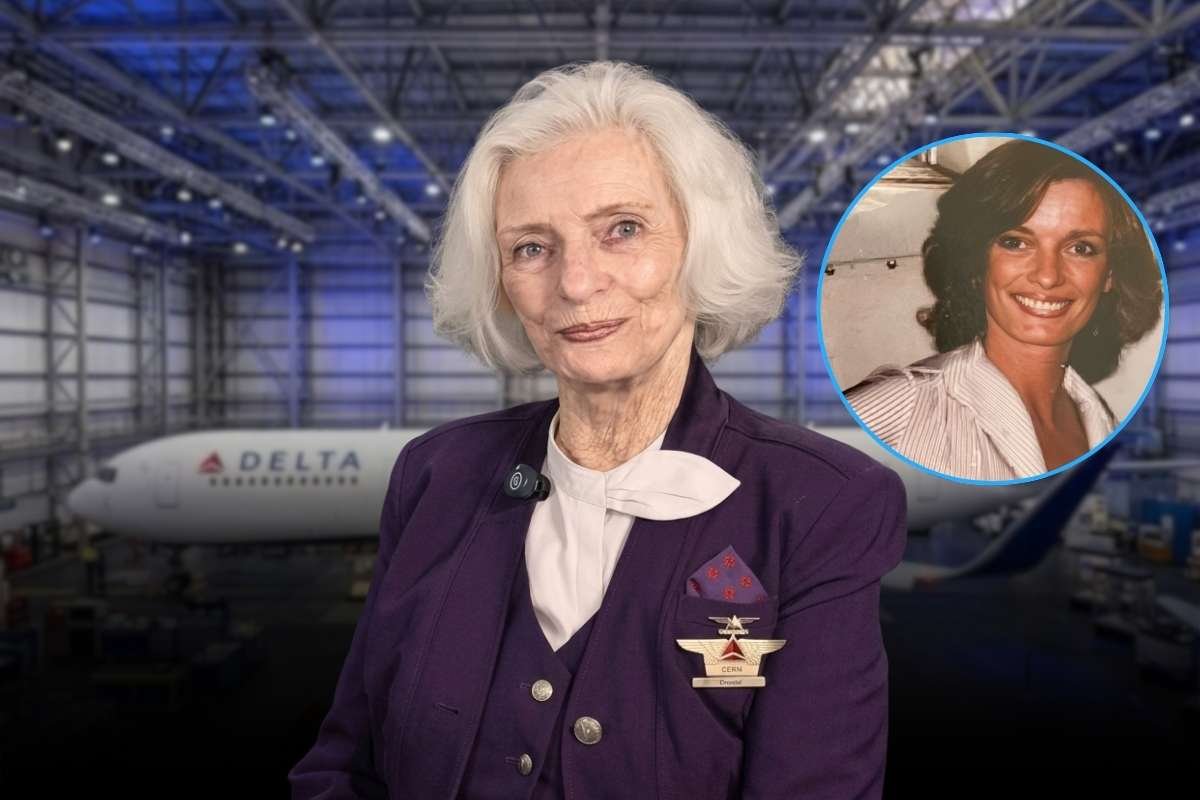
A remarkable chapter in aviation history is nearing its conclusion as Joan Prince Crandall prepares to retire after more than 66 years as a flight attendant. Based in Seattle, she is the most senior cabin crew member at Delta Air Lines and has witnessed decades of transformation across the global aviation industry. Her career has drawn renewed attention ahead of International Flight Attendant Day on May 31, highlighting both her longevity and the broader evolution of the profession.
A Career Reflecting Aviation Transformation
Joan Prince Crandall began her journey in 1959 with Pacific Airlines, working aboard the 24-seat Douglas DC 3 aircraft. At that time, commercial aviation was still developing, with limited passenger capacity and infrastructure. Over the years, she continued her career through several airline transitions, including Air West, Hughes Airwest, Republic Airways, Northwest Airlines, and later Delta Air Lines following a merger in 2008.
Her experience mirrors the transformation of aviation from propeller-driven aircraft to advanced jetliners. During her early years, air travel was less accessible, and operational systems were less developed. Today, she has served passengers on modern aircraft such as the Airbus A350, representing significant advancements in speed, efficiency, and passenger capacity.
Joan Prince Crandall has described the progression of aviation technology in simple terms, noting improvements in speed, comfort, and scale. Her career provides a continuous timeline of industry growth, reflecting changes in engineering, customer expectations, and operational standards.
Evolving Role Of Women In Aviation Careers
Joan Prince Crandall’s career also reflects broader changes in opportunities for women within the workforce. When she entered the profession in the late 1950s, flight attendants faced strict employment conditions, including limitations related to age and marital status. Over time, workplace practices evolved, allowing women to pursue long-term careers in aviation.
Her professional journey highlights how the role of flight attendants has shifted significantly. Initially focused on passenger service, the position now requires extensive training in safety procedures, emergency response, and onboard operations. Flight attendants today are integral to ensuring passenger safety, managing in-flight situations, and supporting airline operations.
The contrast between Crandall and newly trained flight attendants further illustrates this evolution. Modern entrants to the profession begin their careers with structured training programs, access to global networks, and defined career pathways. In comparison, earlier generations entered a more limited and restrictive environment.
As International Flight Attendant Day approaches, Crandall’s story serves as a reflection of both personal achievement and industry progress. Her 66-year tenure stands as one of the longest recorded careers in aviation, demonstrating resilience and adaptability across changing industry conditions.
Her retirement marks the conclusion of a career that has spanned nearly every phase of modern commercial aviation. From early propeller aircraft to advanced long-haul jets, her experience captures the scale of transformation within the sector while underscoring the growing role of women in building sustained professional careers.
Read the latest articles and success stories on CIO Women Magazine.