
Key takeaways:
- ECB President Lagarde warned of risks from relying on foreign AI.
- She urged Europe to build domestic data centers to protect autonomy.
- Lagarde noted AI could boost regional productivity by up to 4%.
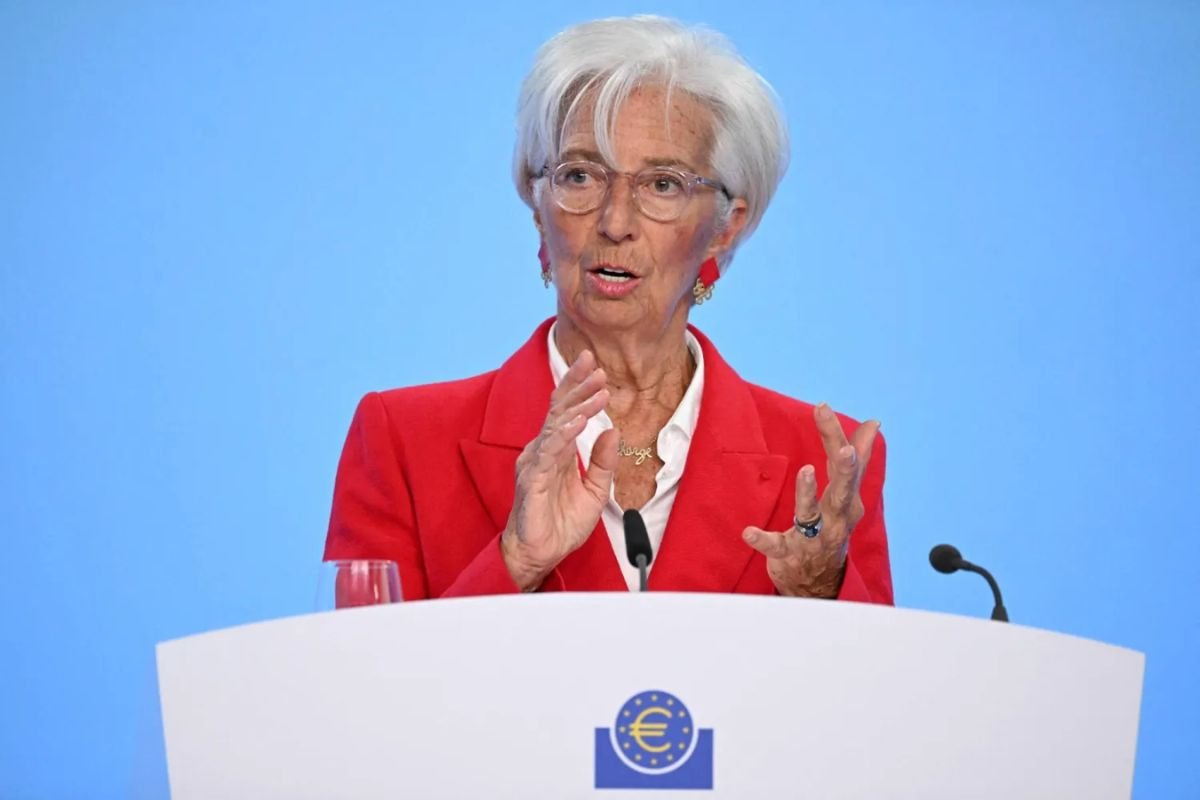
European Central Bank President Christine Lagarde warned Monday that Europe AI dependence creates an unprecedented risk of losing access to artificial intelligence as reliance on foreign technology grows.
Lagarde warns of growing Europe AI dependence
European companies increasingly use AI developed overseas, particularly in the United States, deepening Europe AI dependence on foreign technology providers. Lagarde said a disruption in access could affect sectors ranging from health care and banking to transportation and border controls.
“Within a few years, AI will be screening goods at the border, deciding which tax returns are audited, dispatching trains, watching patients on wards and clearing payments at banks,” Lagarde said in a speech in Vienna.
She said changing or withdrawing access could affect every sector at once. Such dependence, she added, could give foreign trade partners significant leverage in negotiations over issues including tariffs and digital taxes.
The warning comes as Europe seeks greater technological independence while maintaining close economic ties with the United States. Lagarde said European businesses are already paying for AI technology but remain heavily dependent on foreign providers.
Europe needs more data centers
Lagarde called for greater European computing capacity and AI models that can run on infrastructure within the region to reduce Europe AI dependence on foreign providers. She said Europe lacks enough data center capacity to meet its own demand.
“Europe already has too little data centre capacity to meet its own demand,” Lagarde said, adding that the gap could grow more than sixfold within a decade if current trends continue.
The European Commission has also identified limited data center capacity and dependence on non-European cloud providers as risks to the region’s ability to expand AI. Its policy proposals seek to increase computing capacity and strengthen Europe’s digital autonomy.
Germany separately said stopping AI development is not a viable option and argued that Europe needs continued innovation to strengthen its digital sovereignty. A German digital affairs ministry spokesperson said international cooperation should include the United States and China.
AI could lift productivity, but risks remain
Lagarde said faster AI adoption could raise Europe’s productivity by up to 4% over a decade, potentially improving public finances. She argued that Europe should adopt the technology while reducing its exposure to foreign suppliers.
“No country controls the whole AI supply chain today,” Lagarde said in her speech, noting that different regions control key parts of the industry, including chips, rare earths, lithography and AI models.
She also warned that Europe faces financial exposure to U.S. technology companies. Large investment needs among U.S. firms are leading some to borrow in European markets, potentially raising borrowing costs for others, while European pension funds hold significant investments in U.S. technology stocks.
Lagarde said Europe therefore needs more capital and investment in domestic computing infrastructure to reduce Europe AI dependence and strengthen digital sovereignty. Closing the data center gap could require hundreds of billions of euros over the next decade, according to figures cited in her speech.