Key Takeaways:
- Xbox is not being sold
- Microsoft is choosing restructuring over a sale
- Xbox remains a long-term priority
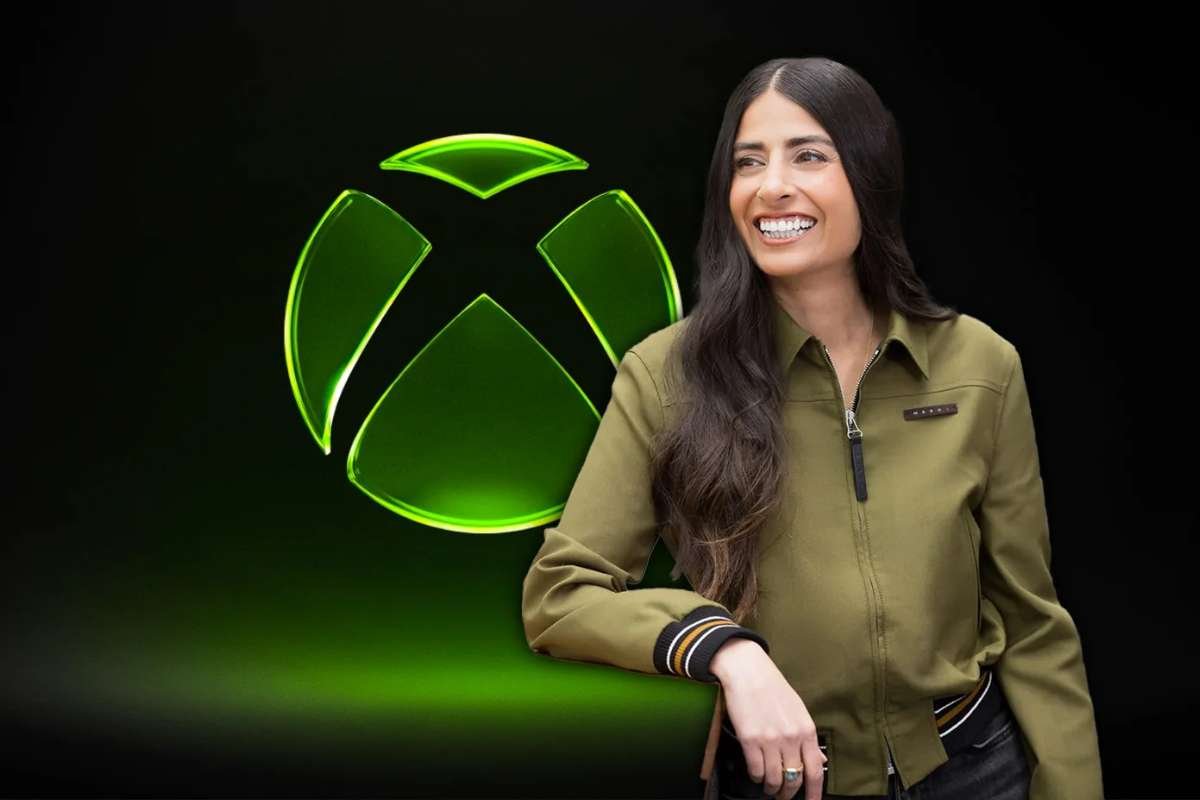
Xbox not for sale, according to CEO Asha Sharma, who has rejected reports that Microsoft could sell or separate its gaming division.
Sharma’s statement comes amid growing speculation about the future of Xbox following a series of major changes across Microsoft’s gaming operations. The company has been restructuring its gaming business, cutting jobs, changing studio operations and reassessing how it approaches hardware, games and services.
The reports about a possible sale emerged as Microsoft faced questions about the financial performance and long-term direction of its gaming business. The company has made substantial investments in gaming in recent years, including major acquisitions that expanded its portfolio of studios, franchises and services.
However, the possibility of Microsoft selling Xbox has now been directly dismissed by its gaming chief. Sharma has indicated that the company’s focus is on strengthening the business from within Microsoft rather than separating it from the wider organization.
Her comments also come months after she took over as CEO of Microsoft Gaming. Sharma is leading the division at a time when Microsoft is attempting to reshape Xbox and establish a more sustainable model for its gaming operations.
Xbox not for sale as Microsoft resets gaming business
The clarification comes as Xbox continues through one of the biggest periods of change in its history. Microsoft has been examining costs, studio operations, hardware performance, and the way its games reach players.
The company has invested heavily in gaming over the past several years, expanding its first-party portfolio and acquiring major gaming businesses. Those investments have given Microsoft access to some of the industry’s biggest franchises, including Call of Duty, Minecraft, The Elder Scrolls, Fallout, Halo and Candy Crush.
At the same time, the gaming division has faced several challenges. Xbox hardware revenue has come under pressure, while higher component costs have added to the challenges surrounding console production. Microsoft has also carried out multiple rounds of layoffs across its gaming operations.
Several studios and projects have also been affected by the restructuring. Some games have been cancelled, while certain development teams have been closed, reorganized, or reassigned. The changes have fueled questions about whether Microsoft is reducing its commitment to traditional Xbox operations.
The company’s strategy, however, appears to be focused on changing how Xbox operates rather than abandoning the business.
Under Sharma, the gaming division is attempting to create a more sustainable model while continuing to expand its audience. Xbox is increasingly being positioned as an ecosystem that extends beyond a single console, with games and services available across consoles, PCs, cloud platforms, and other devices.
Microsoft maintains long-term gaming plans
Despite the restructuring, Microsoft continues to treat gaming as an important part of its broader business. The company has continued developing major franchises while expanding the availability of Xbox games across different platforms.
Its multi-platform strategy represents a significant shift from the traditional console-focused approach. Rather than depending only on Xbox hardware sales, Microsoft is looking to reach players through multiple channels, including PC, cloud gaming and selected competing platforms.
At the same time, Xbox hardware remains part of the company’s plans. Microsoft has continued to discuss future Xbox devices, indicating that consoles are still expected to play a role alongside its broader gaming ecosystem.
Sharma’s leadership is therefore centered on balancing these different parts of the business. The company is attempting to reduce costs and improve efficiency while continuing to invest in games, technology and platforms that can bring Xbox content to more players.
The Xbox not for sale statement directly responds to speculation surrounding a potential sale. While Microsoft’s gaming division is undergoing significant restructuring, the company’s current direction remains focused on rebuilding and strengthening Xbox from within Microsoft.
For now, Xbox not for sale remains Microsoft’s position as the company focuses on restructuring. The coming years will show how Sharma’s strategy affects the company’s hardware business, game development operations, and wider gaming ecosystem.