
Key Takeaways
- The U.S. Treasury pauses plan to feature a woman on the $20 bill
- A decade-long redesign effort remains incomplete across administrations
- The representation shift in currency impacts the visibility of women leaders
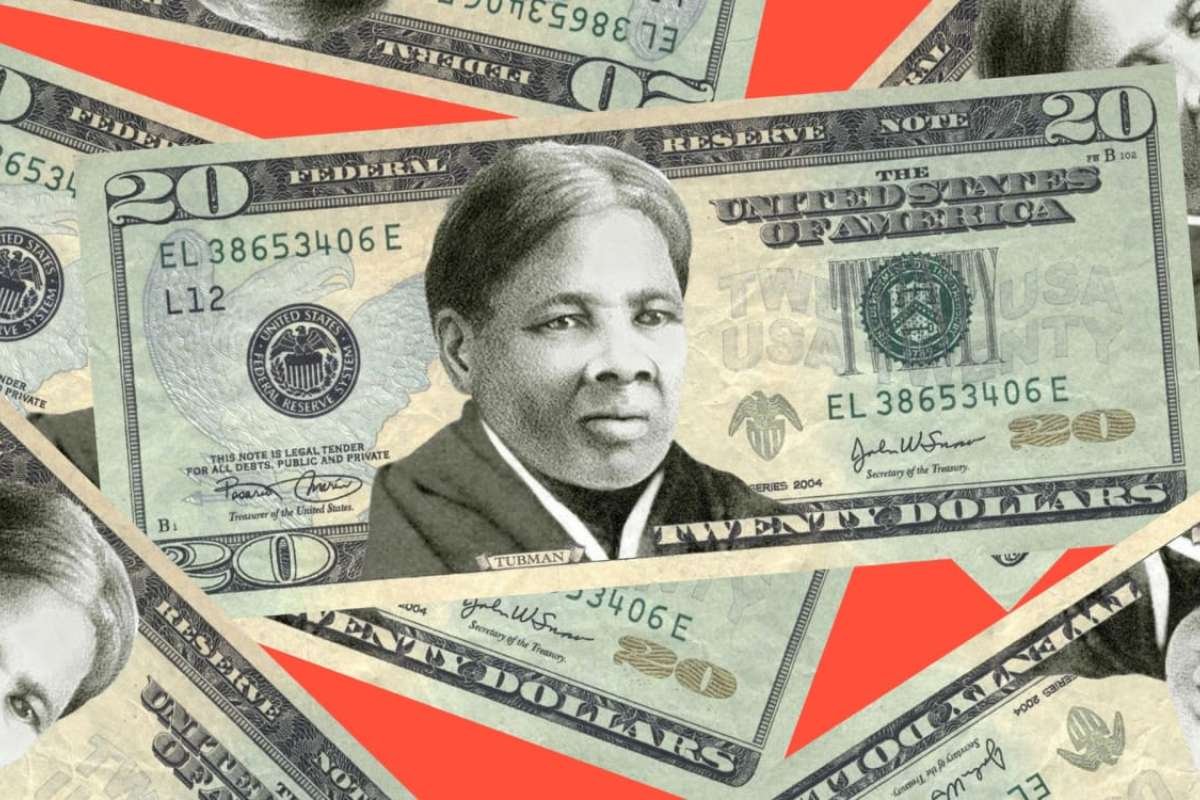
The US Treasury Department has paused plans to feature Harriet Tubman on the $20 bill, according to a statement by Treasury Secretary Scott Bessent. The update confirms that there are no current plans to proceed with the redesign, which had aimed to introduce one of the most recognised women figures in US history onto widely circulated currency.
Long-Running Currency Redesign Faces Another Delay
The proposal to redesign the $20 bill began nearly 10 years ago under the Obama administration. The plan aimed to replace the existing portrait with Harriet Tubman and was initially scheduled for release in 2020, aligning with the 100th anniversary of the 19th Amendment.
The initiative did not meet its original timeline and was paused during the Trump administration. In 2021, the Biden administration stated that efforts would resume and explored ways to accelerate the rollout. At the time, the redesign was positioned as part of a broader effort to reflect historical diversity on national currency.
Despite these developments, the latest update confirms that the plan is currently not being pursued. No revised timeline has been announced, leaving the status of the redesign uncertain.
Currency changes of this scale typically involve multiple stages, including design approvals, security upgrades, and printing adjustments. These factors contribute to extended timelines and repeated delays in implementation.
Representation In Financial Systems Remains Limited
The proposed inclusion of Harriet Tubman carried significance as it would have marked a rare instance of a woman being featured on a widely used currency note. For women entrepreneurs and business owners, representation in financial systems can influence perception, identity, and visibility in economic spaces.
Currency is one of the most circulated symbols within any economy, used daily across transactions, banking, and commerce. The presence or absence of diverse figures on such platforms reflects broader trends in representation within financial ecosystems.
While the redesign remains paused, the current $20 bill will continue in circulation without changes. There are no operational impacts expected for businesses, as the existing currency design remains valid and widely used.
The decision highlights how long-term institutional processes, such as currency redesign, can evolve over time based on shifting priorities. For entrepreneurs, especially women-led businesses, visibility and representation continue to be relevant themes within the broader economic landscape.
No further updates have been provided regarding future reconsideration of the proposal, and the timeline for any potential redesign remains undefined.
Read the latest articles and success stories on CIO Women Magazine.