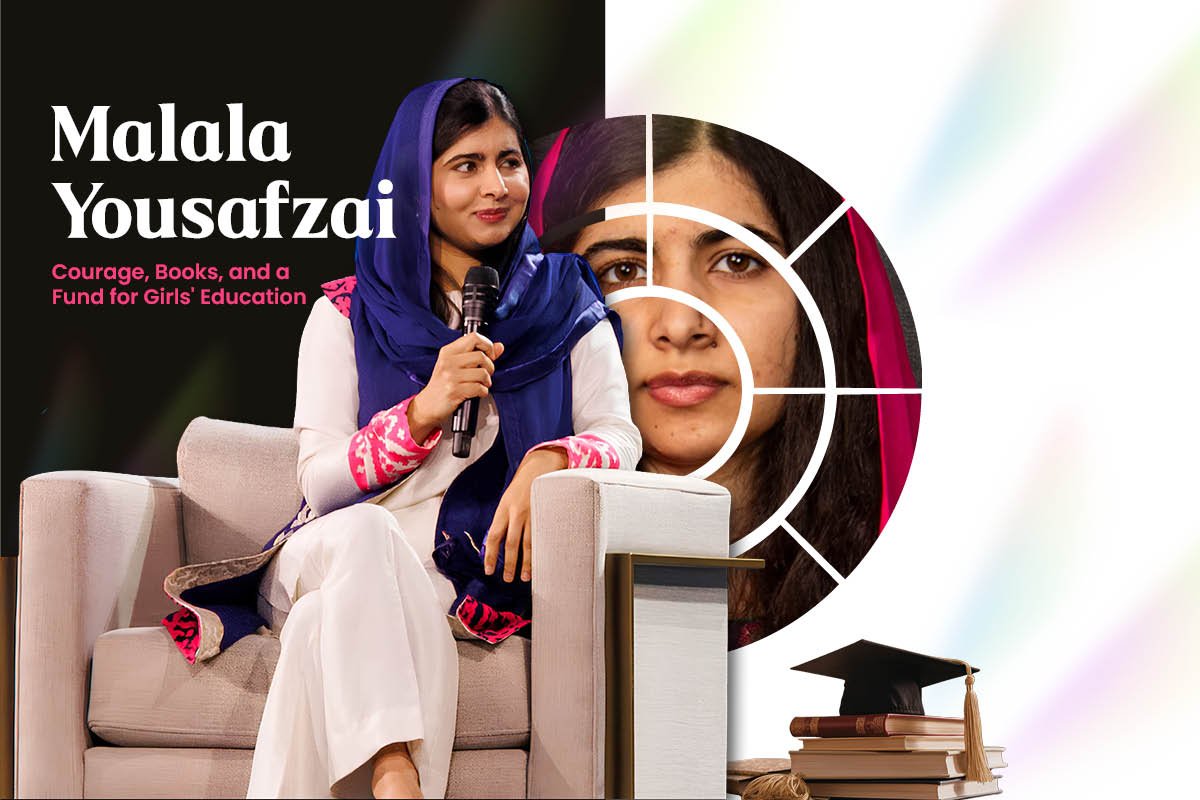
A schoolgirl in Pakistan’s Swat Valley once believed education was every girl’s right, and she said so out loud. That belief would carry Malala Yousafzai’s name across the world. Her father, Ziauddin, ran a local school and taught her to speak without fear. At eleven, she began writing for BBC Urdu under the pen name Gul Makai, describing daily life under Taliban rule and the growing restrictions on schoolgirls. Her entries drew attention to a crisis few outside the valley understood.
In October 2012, a Taliban gunman shot her while she rode home on a school bus. She survived, was treated in Britain, and kept speaking. What began as a child’s diary became a global call for girls’ access to classrooms everywhere.
Timeline: Swat Valley childhood → BBC Urdu blog → 2012 attack → international advocacy
A voice heard worldwide
Malala Yousafzai’s campaign for girls’ education drew international attention through speeches, interviews, and public appearances. In 2013, she co-authored the memoir I Am Malala with journalist Christina Lamb, recounting her experiences and making the case for equal access to schooling.
Milestone cards:
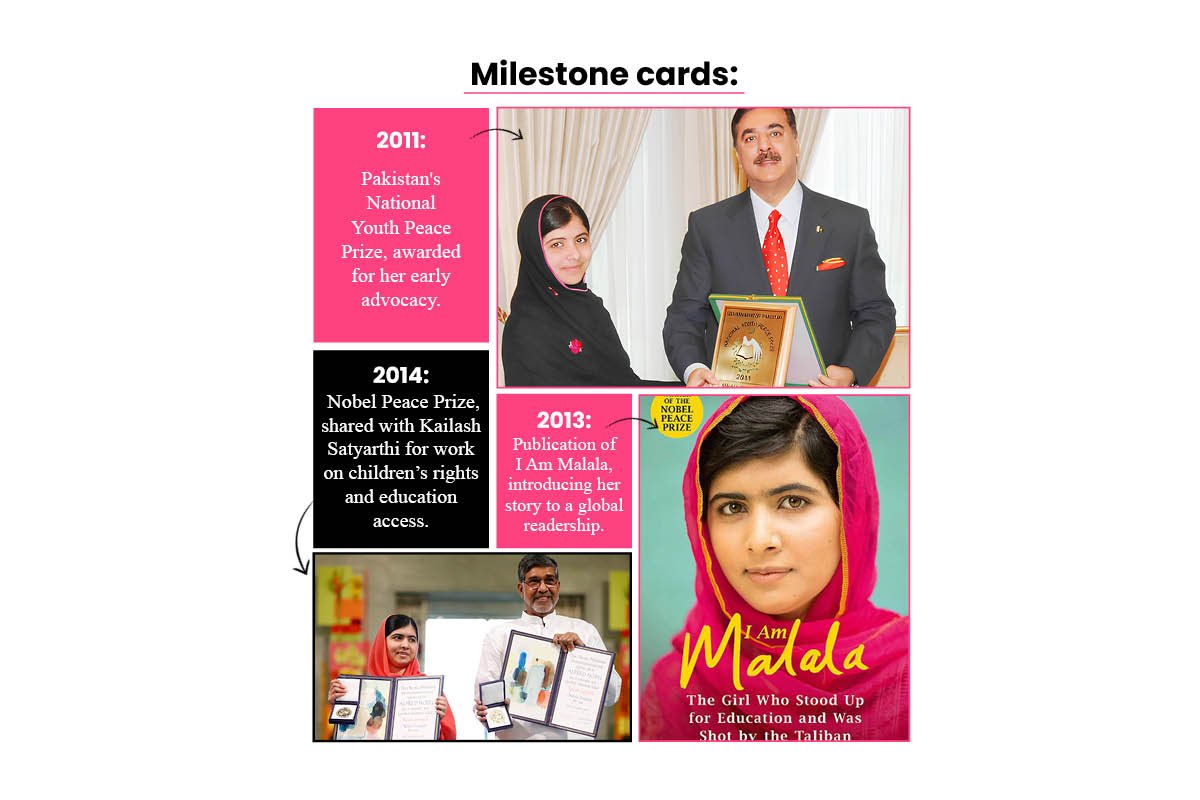
- 2011: Pakistan’s National Youth Peace Prize, awarded for her early advocacy.
- 2013: Publication of I Am Malala, introducing her story to a global readership.
- 2014: Nobel Peace Prize, shared with Kailash Satyarthi for work on children’s rights and education access.
At seventeen, she became the youngest Nobel laureate in history, a distinction that widened her platform and placed her among the world’s most recognised voices on educational inequality.
Building an organisation: the Malala fund
Awareness alone could not keep girls in school, so Malala and her father built an organisation to make change permanent.
Mission statement
In 2013, Malala and her father founded the Malala Fund, a nonprofit built to help girls access and complete secondary education. The mission centers on turning one girl’s experience into change for millions. The organisation backs local advocates and pushes for policies that remove barriers to learning.
Operating model
What does the Malala Fund do? It grants funding to organisations working where girls face real obstacles to schooling. Grants also reach smaller, community-led groups that larger donors often overlook. It also calls on governments for larger education budgets and stronger protections for girls’ rights. Its programmes respond to emergencies that halt schooling and support girls whose education is at risk from poverty, conflict or discrimination.
Country highlights
Current focus countries include Afghanistan, Brazil, Ethiopia, Nigeria, Pakistan and Tanzania. Local educators, activists and young women help shape solutions suited to their own communities. The network includes dozens of partner organisations working across these regions.
The Fund shows how an advocacy campaign can grow into a structured effort with partners, funding programmes and clear policy goals.
Business and financial journey
Public attention translated into real earnings for the family. A 2016 Reuters report pointed to two income sources during that period for Malala Yousafzai: royalties from her memoir, I Am Malala, and paid speaking engagements. Speaking fees reportedly reached about $152,000 per talk. These figures mark a moment nearly a decade old, not a confirmation of her current net worth.
Revenue streams (2016)
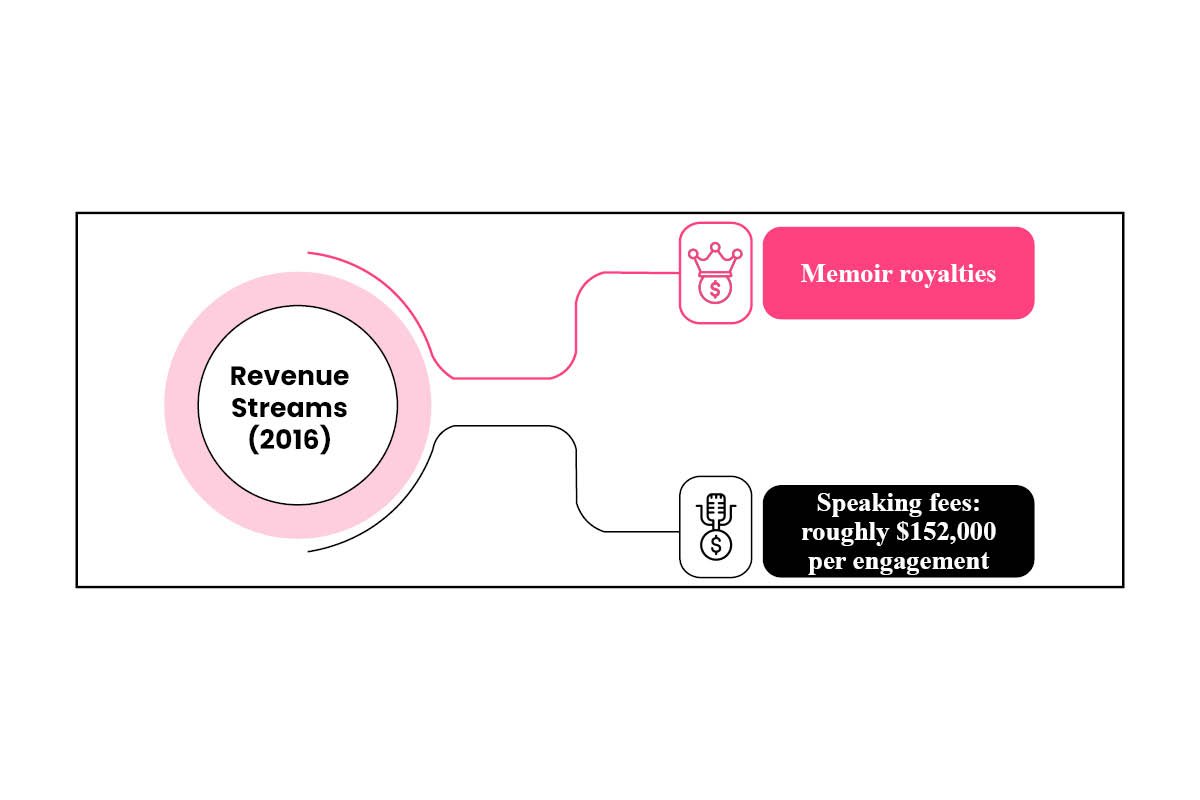
- Memoir royalties
- Speaking fees: roughly $152,000 per engagement
Company Snapshot, August 2015
Salarzai Ltd, formed in 2013 to hold rights to her story and its adaptations, was owned jointly by her and her parents. Reuters placed its net worth at £1.87 million that August, built largely on book and media income.
The family also stated it had given more than $1 million to charitable causes since the memoir’s release, with most of it going toward education projects.
Commercial income stays separate from the Malala Fund. The nonprofit exists for grantmaking and advocacy work, built to serve its educational mission rather than generate profit for its founders.
Social investments: where the money meets the mission
$3.26 million in grants for Afghan-led education efforts – that’s the headline figure behind the Malala Fund’s 2025 giving.
Social investment, in this context, means channeling money toward public benefit rather than private gain. The Fund backs local organisations working to make schooling accessible, safe and fair for girls, on the premise that community groups understand nearby obstacles better than outside actors do.
Among the 2025 grantees was Education Bridge for Afghanistan, which ran online and in-person classes for girls shut out of formal schools. Other partners pursued legal accountability and support for women activists facing restrictions on their work.
Grants alone cannot guarantee every girl an education, so the organisation also pushes for public funding and policy reform. Local programmes and wider advocacy work as one system rather than separate tracks.
Why it matters: These grants fund far more than classrooms. They support local leadership, legal advocacy and ways for girls to keep learning through crisis. Success here is measured in rights secured and doors opened, not in returns to any donor.
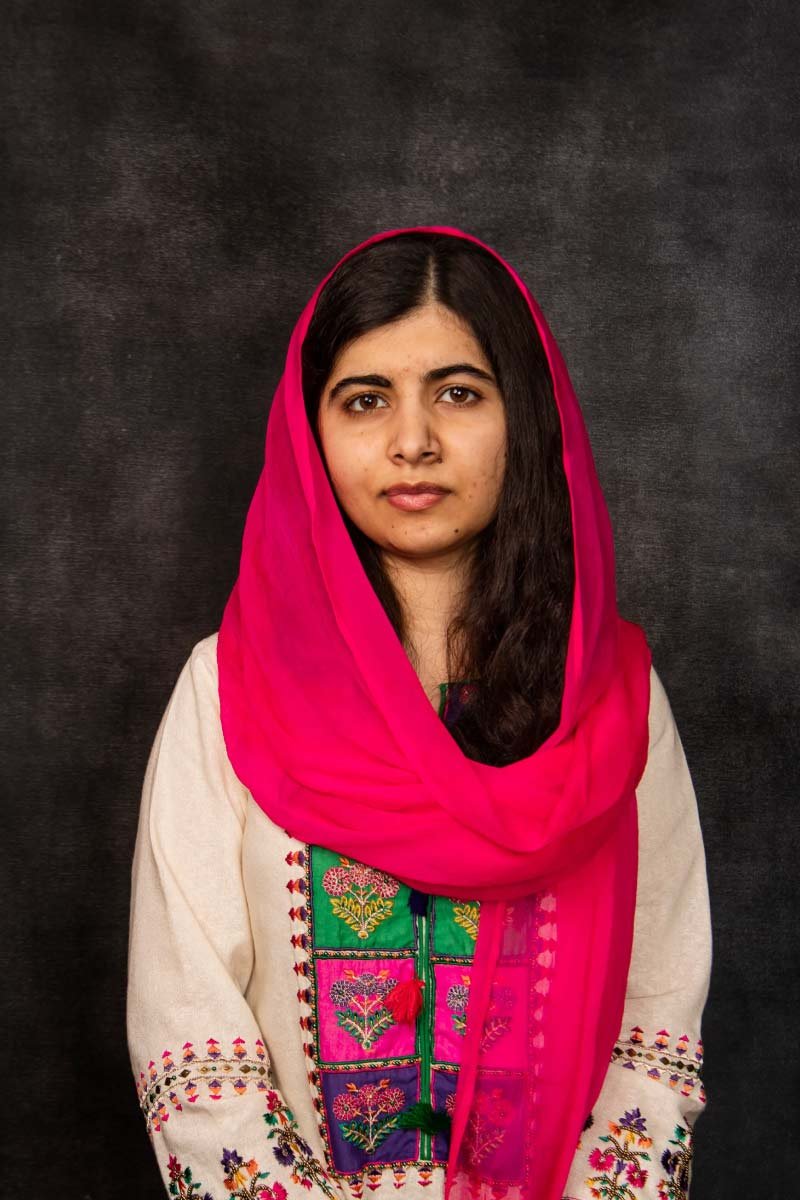
Women’s empowerment: a legacy measured in opportunity
Malala Yousafzai’s place in the story of women’s empowerment rests on a simple conviction: education gives girls command over their own futures. A classroom seat opens doors to knowledge, skills, public life, and economic independence, but only when it sits alongside safety, resources, and freedom from restrictive social norms.
“When the whole world is silent, even one voice becomes powerful.”
Her work keeps girls’ experiences at the center of this conversation. Through the Malala Fund, that belief turns into grants, partnerships, and campaigns aimed at lasting access to schooling.
Her financial success tells part of the story. Book sales, speaking engagements, and public recognition built a platform; her charitable work turned that platform toward educational rights, leaving a legacy measured in the opportunities girls gain when their voices are heard.
Conclusion: the meaning behind her journey
A schoolgirl once raised her hand for the right to learn, and that simple act still shapes everything Malala Yousafzai does today. Her voice grew into books, speeches, and a foundation built for girls who wait for classrooms of their own. Money followed her work, but it never became the point.
What matters is the door she keeps pushing open for others. Her story shows that courage, spoken plainly, can outlast any single moment. One student’s question turned into a lifelong purpose, and it still invites the world to listen.