Understanding the eight main types of tourism is the most effective way to plan a trip that fits your specific goals. This guide details categories like ecotourism, cultural, wellness, and business travel to help you choose the right vacation style. Whether you are seeking budget-friendly destinations, historical experiences, or a health retreat, identifying your travel type improves your overall experience. Start planning your next adventure today!
Travel has changed. People are now choosing destinations based on clear goals rather than just picking a random place to visit.
Whether you need a mental break, a new professional skill, or a deep dive into history, picking the right category makes your planning much easier. Here are the eight main types of tourism that define how we travel in 2026.
The 8 Types of Tourism
1. Ecotourism
Ecotourism involves travel to natural areas that focus on environmental conservation and the well-being of local communities. Unlike commercial mass tourism, which often strains local infrastructure, ecotourism focuses on minimizing environmental footprints and supporting conservation efforts.
It preserves unspoiled landscapes and protects biodiversity.
- Pro Tip: Look for certifications like ‘Green Globe’ or ‘EarthCheck’ when booking your accommodation to ensure your stay supports genuine conservation efforts rather than greenwashing.
2. Religious Tourism
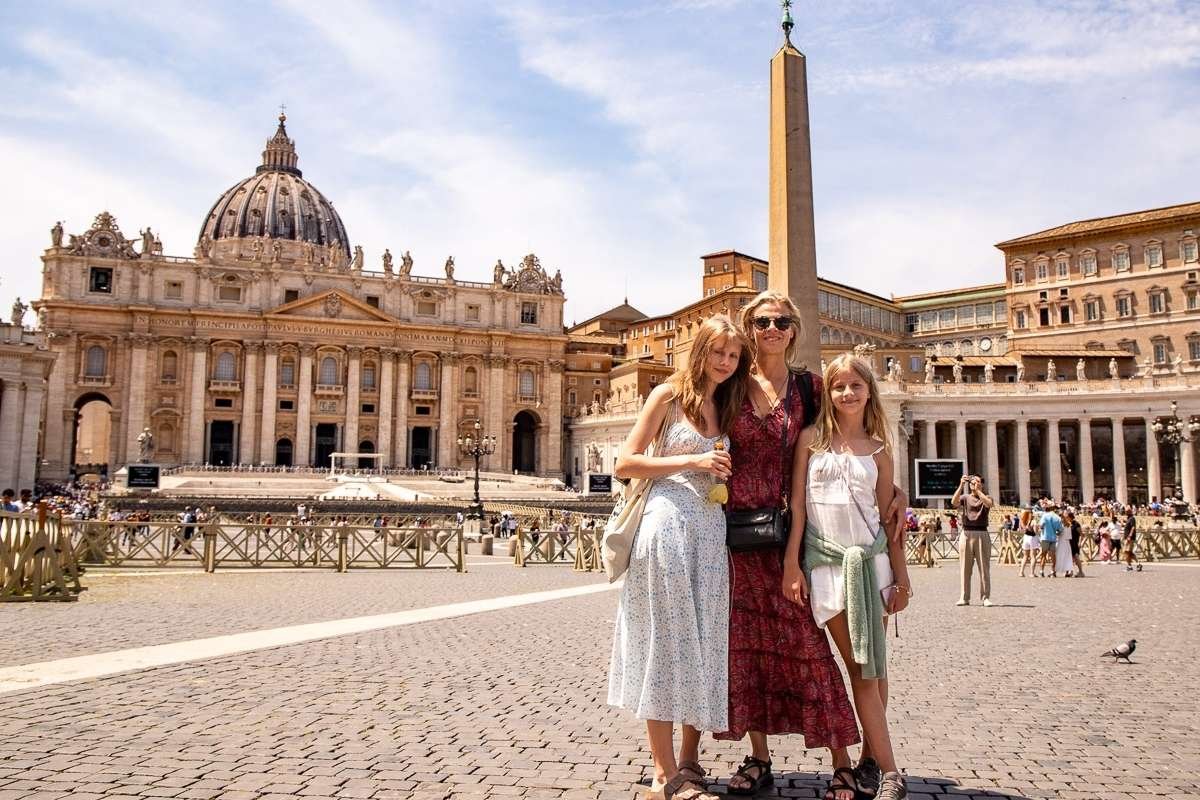
Religious or pilgrimage tourism is one of the oldest forms of travel, yet it remains incredibly significant. Whether it is visiting the Vatican, walking the Camino de Santiago, or exploring the temples of Varanasi, this type of travel is driven by philosophical, spiritual, and historical interests.
It isn’t just about the religious ceremony, it’s about connecting with a heritage that transcends borders.
This sector plays a massive role in maintaining historic sites and funding local preservation efforts.
3. Recession Tourism (Budget-Conscious Travel)
Let’s be honest, travel can be expensive. Recession tourism emerged as a trend where travelers seek out destinations where their currency goes further. It’s an excellent alternative to luxury retreats, allowing people to experience high-quality travel without the high-end price tag.
It’s about value. During economic downturns, savvy travelers extend their stays in destinations with a lower cost of living, which often results in deeper cultural immersion than a quick, expensive luxury trip.
4. Cultural Tourism

Cultural tourism involves traveling to experience the history, architecture, art, and traditions of a destination. Rather than visiting general tourist attractions, these travelers focus on museums, historical landmarks, and regional events. This approach provides direct insight into the heritage and daily life of a community.
Travelers often find that cultural immersion, like attending a local festival or a cooking class, creates memories that last far longer than a standard resort stay.
5. Health and Wellness Tourism
In 2026, we are seeing a massive shift toward slow travel. Health and wellness tourism is currently seeing a compound annual growth rate (CAGR) of over 9%, as more people use travel to reset their physical and mental health.
Yoga retreats in Bali, thermal spa treatments in Switzerland, or silent meditation retreats in the Himalayas.
It is increasingly blending with preventive healthcare. People aren’t just going to relax; they are going to optimize their well-being.
6. Business Tourism

Business tourism is no longer just about meetings and seminars. We are witnessing the era of Bleisure, a blend of business and leisure. Professionals are now extending their work trips to explore the host destination.
If you’re flying to a conference in a new city, why not stay an extra three days to sightsee? It maximizes the value of your flight and transforms a stressful work trip into a rewarding cultural experience.
7. Educational Tourism
Educational tourism is travel with the express purpose of upskilling. Whether it’s a language-immersion program in France, a photography workshop in Iceland, or an archaeology dig in the Middle East, the focus is on personal and professional growth.
You return home with more than just souvenirs; you return with a new skill or a broadened perspective on the world.
8. Dark Tourism
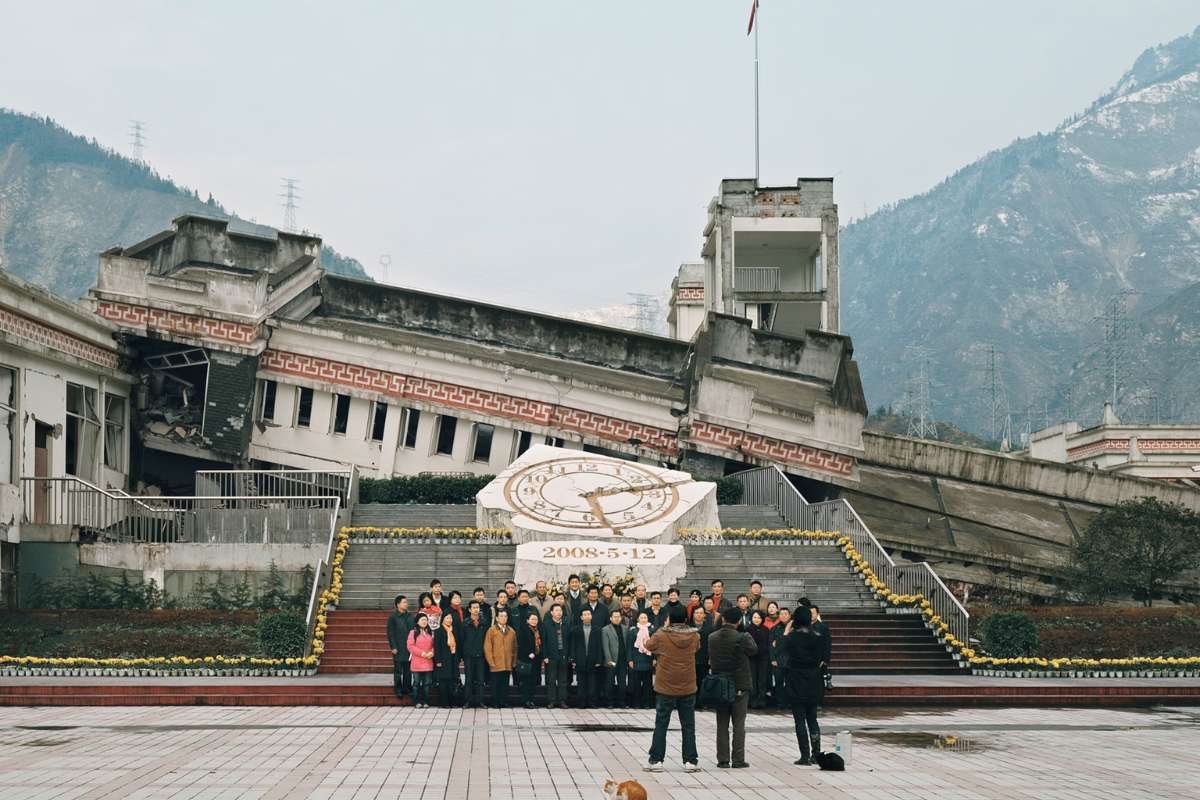
Also known as grief tourism, this is the practice of visiting sites associated with tragedy or death. While it may sound somber, it is deeply educational. Sites like Auschwitz, the Chornobyl exclusion zone, or the Hiroshima Peace Memorial allow us to confront humanity’s history, the good, the bad, and the ugly.
The goal of dark tourism isn’t to glorify suffering, but to pay respects and ensure that history is not forgotten.
Read More: Top 10 Mesmerizing Tourist Attractions in Ohio, USA
How to Choose Between These Types of Tourism for Your Next Trip?
With so many types available, picking the right one can feel overwhelming. Rather than scrolling through endless destination photos, start by identifying your primary objective for this specific journey. The right choice depends entirely on your current phase of life, your budget, and what you need to gain from your time away.
Use this simple decision-making framework to narrow down your options:
- If you are feeling burnt out, prioritize ‘Health and Wellness Tourism’. Focus on locations that offer yoga, meditation, or thermal spa treatments to help you reset your nervous system.
- If you are on a strict budget, look into recession tourism. Research destinations where your currency has higher purchasing power. You can often find luxury experiences at a fraction of the cost in these regions.
- If you are craving intellectual growth, opt for educational tourism. Choose a location famous for a specific craft, language, or history, and book a workshop or guided tour to immerse yourself in the learning process.
- If you want to make a difference, choose ecotourism. Seek out destinations that offer verified conservation programs. Your goal here is to leave the location better than you found it.
- If you have professional demands, embrace Business Tourism (Bleisure). If you are traveling for a conference, extend your stay by 48 hours to explore the local culture. It maximizes your travel ROI without requiring a separate vacation week.
- If you want to broaden your worldview, focus on Cultural or Dark Tourism. Visit places that challenge your perspective or expose you to new ways of life or significant historical lessons that you cannot learn in a classroom.
Don’t be afraid to mix and match. You can easily combine cultural tourism with a budget-friendly recession tourism mindset to enjoy a rich experience without overspending. Be honest about what you need right now: rest, growth, or exploration, and choose the travel style that satisfies that specific hunger.
Conclusion
Travel is no longer just about escaping your daily routine. It is about intentionality. By exploring the different types of tourism and identifying which travel style resonates with your current needs, you transform every trip from a simple vacation into a curated experience that enriches your life. Your next adventure is waiting. Choose your path and travel with purpose.
Read More: 25 Best Places to Retire in the U.S. for Peace, Purpose, and Belonging
Frequently Asked Questions
1. Which type of tourism is best for beginners?
Cultural Tourism is generally the best starting point. It is accessible, diverse, and allows you to explore at your own pace while learning about local traditions.
2. What is the main difference between Ecotourism and Sustainable Tourism?
Ecotourism focuses specifically on natural environments and wildlife conservation. Sustainable tourism is a broader concept that applies to all types of tourism, focusing on the long-term impact on the economy, society, and environment.
Sources: