
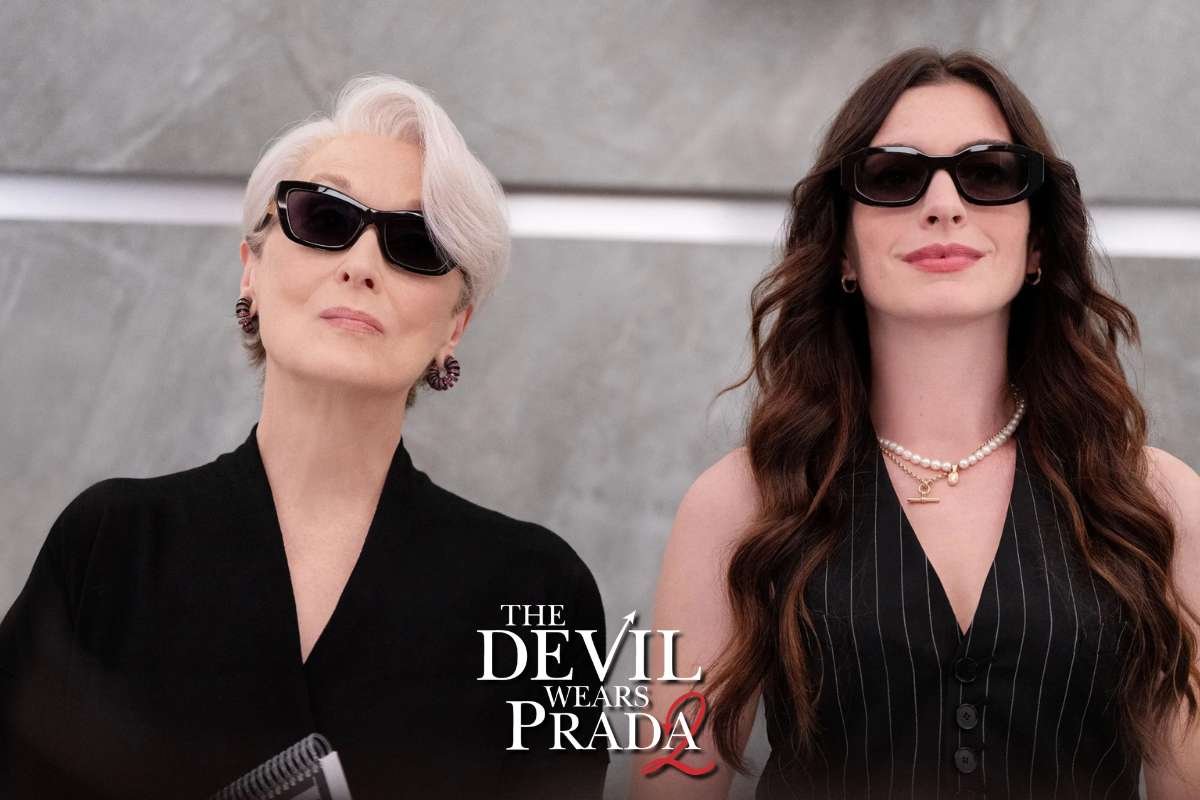
Key Takeaways:
- Meryl Streep, Emily Blunt, and Anne Hathaway prove legacy casts can drive massive openings.
- The Devil Wears Prada 2 shows that non-superhero, character-led films can dominate the box office.
- Focused outreach to women and nostalgic audiences significantly boosted performance.
The much-anticipated sequel, The Devil Wears Prada 2, has made a commanding entry into the global box office, delivering one of the strongest opening weekends of the year. The film earned an estimated $233 million worldwide, with North America contributing around $77 million and international markets adding a substantial $156 million. This impressive performance has not only exceeded industry projections but also positioned the film among the top early performers of 2026.
The sequel’s debut marks a significant milestone for its leading cast, particularly Meryl Streep and Emily Blunt, both of whom recorded the biggest opening weekend figures of their careers. The film’s immediate success highlights the enduring appeal of the franchise, which has managed to stay culturally relevant nearly two decades after the original’s release.
Compared to The Devil Wears Prada, the sequel has dramatically outperformed its predecessor’s opening, reflecting both heightened anticipation and the expanded scale of its release. Backed by a significantly larger production budget, the film appears well-positioned to recover costs quickly and generate substantial profits. Its strong domestic showing has also contributed to a broader boost in cinema attendance, offering an encouraging start to the summer movie season.
Nostalgia, Casting, and Cultural Relevance Drive Success
A key driver behind the film’s exceptional performance, The Devil Wears Prada 2, is its ability to tap into nostalgia while delivering a contemporary narrative. The return of beloved cast members, including Anne Hathaway and Stanley Tucci, has reignited interest among long-time fans, many of whom first connected with the story in the mid-2000s.
Audience data from the opening weekend indicates a strong skew toward female viewers, who accounted for a significant majority of ticket buyers. Additionally, millennials and Gen X audiences formed a large portion of the viewership, reinforcing the film’s appeal as a nostalgia-driven experience. This demographic alignment suggests that the sequel successfully targeted audiences who have maintained an emotional connection with the original film over the years.
The marketing campaign for The Devil Wears Prada 2 further amplified this connection. By leveraging iconic references, memorable dialogues, and the fashion-forward identity of the franchise, the film generated widespread buzz across digital platforms. Strategic collaborations within the fashion industry helped extend its reach beyond traditional film audiences, transforming the release into a broader cultural event.
While critical reception has been mixed, audience response has been positive, with strong word-of-mouth playing a crucial role in sustaining momentum. This divergence highlights a growing trend in which audience engagement, rather than critical opinion, becomes the decisive factor in a film’s commercial success.
A Turning Point for Hollywood’s Franchise Strategy
The success of The Devil Wears Prada 2 underscores a broader shift in Hollywood’s approach to blockbuster filmmaking. In recent years, the industry has been dominated by high-budget action franchises and superhero films. However, the strong opening of this character-driven sequel suggests that audiences are increasingly receptive to stories rooted in familiarity, emotional resonance, and cultural nostalgia.
Studios are now placing greater emphasis on established intellectual properties as a way to reduce risk and ensure consistent returns. In this context, the film serves as a compelling example of how legacy brands can be revitalised for modern audiences. Its success demonstrates that sequels built on strong character foundations and cultural relevance can compete with, and even outperform, traditional blockbuster formats.
Looking ahead, the film’s continued performance will be closely monitored as an indicator of evolving audience preferences. Its opening weekend has already set a high benchmark, suggesting that the demand for nostalgia-driven storytelling remains strong. At the same time, it signals a diversification in the types of films that can dominate the box office, expanding beyond conventional action-heavy spectacles.
In conclusion, The Devil Wears Prada 2 has not only delivered a remarkable commercial debut but also reshaped expectations for the summer box office. By blending star power, strategic marketing, and a deep understanding of audience sentiment, the film has emerged as a defining success story, one that could influence Hollywood’s production and release strategies in the years ahead.
Visit CIO Women Magazine to read more.