Women can make transitioning outfits from office to evening events easier by starting with a versatile base and changing two or three high-impact details, such as shoes, jewellery, a handbag or outer layer. Tailored trousers, a midi dress, a skirt or a polished jumpsuit can work across both settings when styled differently.
The Fold’s 2025 Workwear Report found that 88% of surveyed women said the right workwear boosts confidence and creates a work-mode mindset. The practical answer is not carrying a second outfit, but choosing workwear that can adapt after hours.
What outfits work best for going from the office to an evening event?
The best outfits for transitioning outfits from office to evening events feature pieces that are polished enough for work but simple enough to restyle later. Choose comfortable silhouettes that can work with different shoes, bags, jewellery, or layers.
Good options include:
- Tailored trousers + blouse
- Midi dress + blazer
- Suit + simple top
- Midi skirt + fine-knit top
- Tailored jumpsuit + blazer
The goal is not to make an office outfit look like eveningwear during the day. Instead, choose a strong foundation that can take on a different mood after work.
How can women make an office outfit look more evening-ready?
Transitioning outfits from office to evening events is simple when women change three key elements: shoes, handbag, and one statement accessory. Removing a blazer can also create a more relaxed look without requiring a complete outfit change.
For example:
Office: Trousers + blouse + blazer + loafers + work tote
Evening: Trousers + blouse + statement earrings + pointed shoes + small bag
Which shoes and accessories work best for office-to-evening outfits?
When transitioning outfits from office to evening events, changing shoes can shift the tone of an outfit without requiring a complete change. Loafers, ballet flats, and practical pumps can work during the day, while pointed flats, sleek sandals, or heels can create a dressier finish. The right choice depends on the workplace, venue, and amount of walking involved.
| During the day | After work |
| Loafers | Pointed flats |
| Practical pumps | Heels |
| Ballet flats | Sleek sandals |
| Minimal sneakers where permitted | Dressier flats |
Accessories can create a similar shift. Statement earrings, a smaller handbag, a distinctive belt, a hair accessory or a lightweight wrap can add personality without requiring another outfit.
A compact transition kit might include:
- Statement earrings
- Small handbag
- Lip colour
- Hair clip or accessory
- Lightweight scarf or wrap
The aim is to add one or two deliberate details rather than overload the outfit. Comfort should remain part of the decision, especially after a full workday.
How can women make the transition in five minutes?
A five-minute transition works best when the outfit has already been planned around versatile pieces. Before leaving work, remove one office-specific layer, switch shoes, replace the work bag, and add one statement accessory.
The five-minute transition test
- Minute 1: Remove or replace the blazer.
- Minute 2: Change shoes.
- Minute 3: Switch the handbag.
- Minute 4: Add earrings, a necklace, or another statement accessory.
- Minute 5: Refresh hair or makeup if desired.
Not every step is necessary for every occasion. The point is to create a simple routine that avoids making a complete outfit change part of an already busy workday.
What Are the Best Outfit Formulas for Transitioning Outfits From Office to Evening Events?
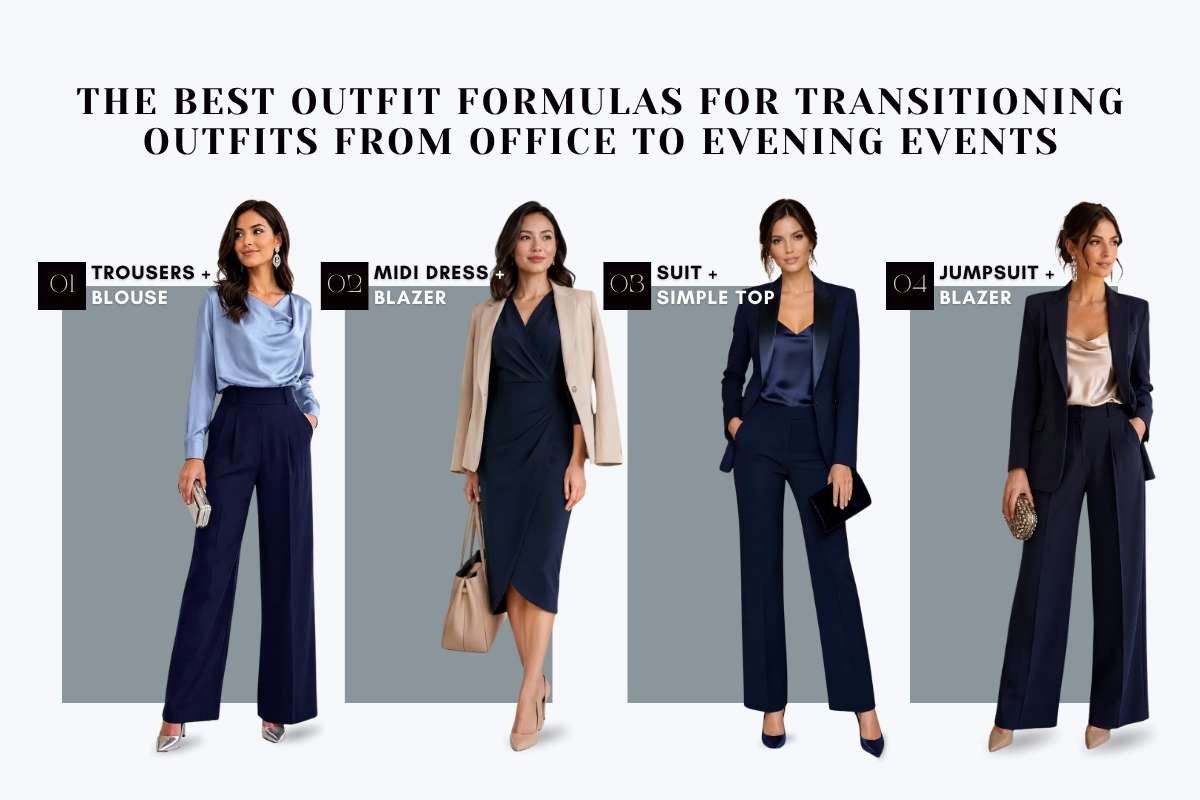
The strongest formulas use one versatile base and one or two changes. These combinations can work for dinner, networking events, drinks, or other social plans after work.
1. Trousers + blouse
Wear loafers and a blazer during the day. After work, remove the blazer, switch to pointed shoes, and add statement earrings.
2. Midi dress + blazer
Keep the blazer for meetings, then remove it after work and switch the bag and jewellery for a simpler evening look.
3. Suit + simple top
A suit can look professional during office hours. Changing the top or accessories can make the same suit more relaxed and suitable for dinner.
4. Skirt + knit top
A polished skirt and fitted knit can work across different settings. Change the shoes and bag when moving from work to an evening event.
5. Jumpsuit + blazer
A tailored jumpsuit creates a complete outfit. Remove the blazer after work and add a statement accessory for a more social finish.
These formulas show why transitioning outfits from office to evening events is more about versatility than owning more clothes.
What colours work well for office-to-evening dressing?
Neutral office colours such as black, navy, charcoal, cream and white make easy foundations for an evening transition. Richer shades such as burgundy, deep green, plum and chocolate brown can add interest without requiring a completely new outfit.
Simple combinations include:
- Navy + burgundy
- Black + metallic
- Charcoal + deep green
- Cream + chocolate brown
- Black + ivory
Colour should support personal style and the setting rather than follow rigid rules. A woman can keep a neutral daytime outfit or use one richer colour as the evening accent.
How important is personal style when creating an office-to-evening look?
Personal style should guide the transition rather than disappear when the workday ends.
The Fold’s 2025 Workwear Report found that 89% of respondents cared more about clothing quality than being “on trend.” That supports a practical approach: choose pieces that feel consistent with your style and can be worn repeatedly rather than buying something solely because it is fashionable.
A woman who prefers tailored neutrals can add jewellery, colour or a different shoe. Someone who likes prints can keep the print and simply change the accessories. There is no single definition of an evening-ready look.
Do women need a completely separate evening outfit?
Usually, no. If the workplace and evening event have compatible dress codes, changing a few high-impact elements can be enough. A versatile wardrobe allows trousers, dresses, skirts, blazers, and accessories to work across several settings instead of requiring a separate outfit for every occasion.
Before buying a dedicated evening piece, ask:
- Can I wear this to work?
- Can I style it differently after work?
- Can it work with at least three things I already own?
If the answer is yes, the piece is more likely to become a useful wardrobe staple.
How can Indian professional women adapt office outfits for evening events?
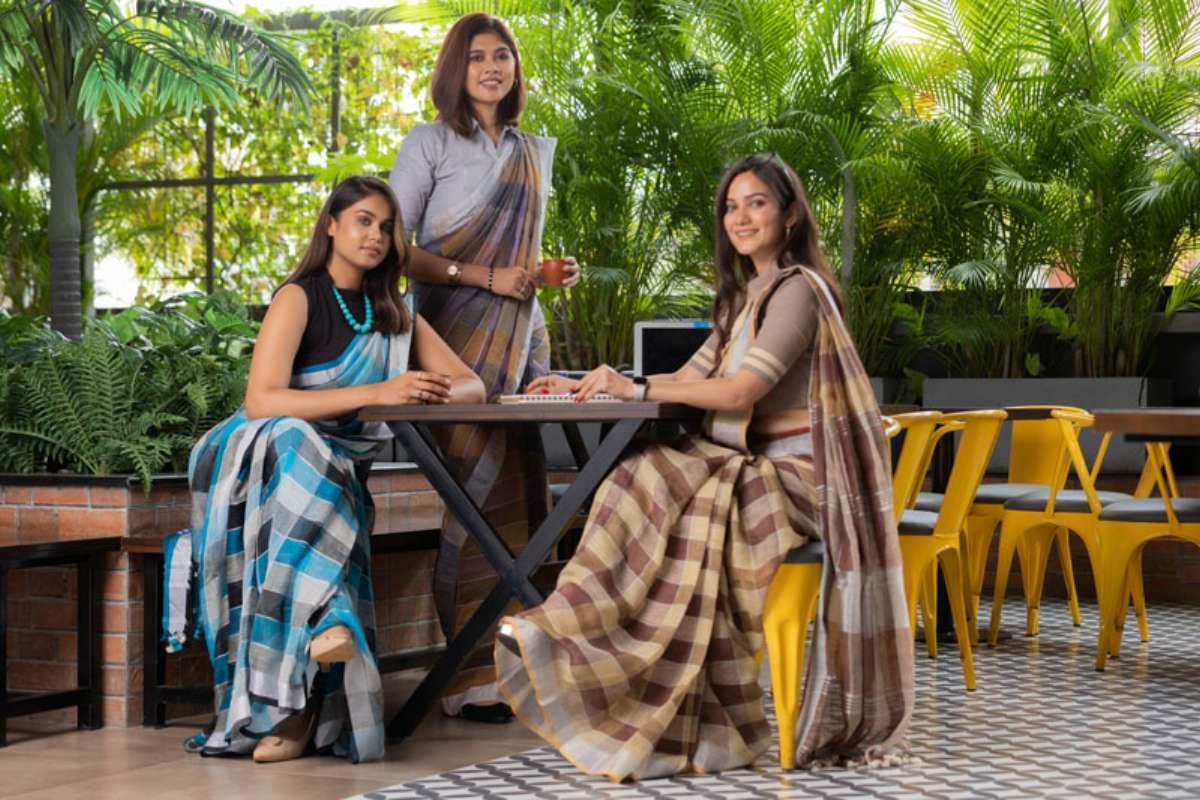
Indian professional women may move between office meetings, client dinners, networking events, festive gatherings and family occasions on the same day. Versatile silhouettes can make these transitions easier without treating workwear and eveningwear as completely separate wardrobes.
Tailored trousers can work with a blouse during office hours and a more distinctive top or jewellery later. A midi dress can move from a corporate setting to dinner with a change of accessories. In workplaces where the dress code permits it, kurtas, coordinated separates and understated Indian-fusion pieces can work in the same way.
Weather and commuting also matter. Breathable fabrics, comfortable footwear and lightweight layers can be more practical than highly structured evening pieces when women have to travel across the city before reaching an event.
What should women avoid when creating an office-to-evening outfit?
Avoid building the transition around clothing that is inappropriate or uncomfortable for either setting. Being aware of common office fashion mistakes women make can also help you choose pieces that remain polished during the workday while still being easy to adapt for an evening event. Extremely casual pieces may not work for the office, while elaborate eveningwear can be impractical during a full workday. It is also worth avoiding one-off purchases that cannot work with the rest of the wardrobe.
Before getting dressed, ask:
- Where am I working today?
- Where am I going afterward?
- How will I travel between the two?
- What can I change in five minutes?
These questions make transitioning outfits from office to evening events more practical than following rigid fashion rules.
How can women build a wardrobe that makes these transitions easier?
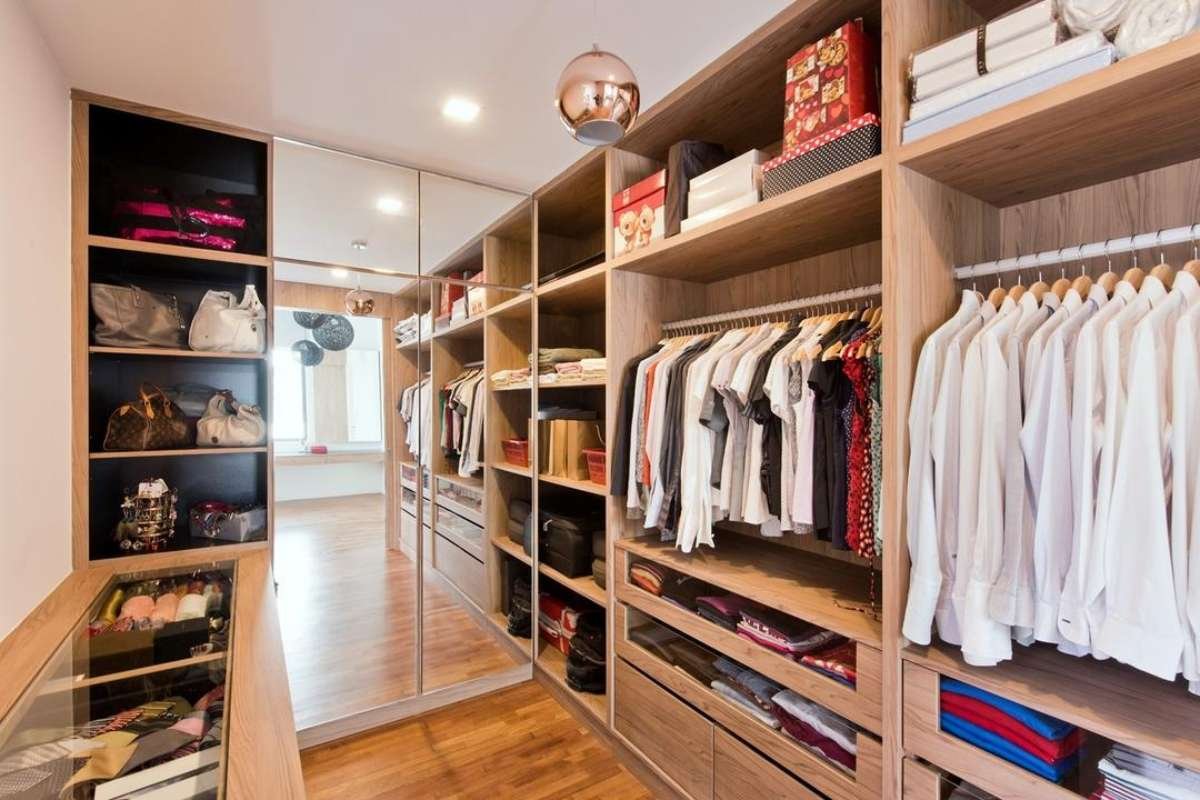
A versatile wardrobe should contain pieces that work across more than one setting. Start with dependable trousers, skirts or dresses, then add tops, shoes and accessories that can shift the mood. The goal is not minimalism for its own sake, but a wardrobe where more pieces earn repeated use.
For busy professionals, a minimalist wardrobe guide for busy professional women can help simplify the process by focusing on versatile pieces that can be combined in different ways. This makes it easier to create an office outfit in the morning and adapt it for an evening event without relying on a large wardrobe.
This approach also connects with dressing for success at every career stage, where versatility, comfort, context, and personal style can matter more than having an oversized wardrobe. Women who want to build this flexibility without constantly buying new clothes can also use practical ideas from How to look polished on a tight budget.
Conclusion:
Successful desk-to-dinner dressing starts with versatile pieces that suit both work and evening plans. A few thoughtful styling choices can help women create looks that feel polished and comfortable across different settings.
With a little planning, transitioning outfits from office to evening events becomes easier without needing a separate outfit for every occasion. The key is to choose clothes that reflect personal style and work well beyond office hours.
FAQs
1. How do I transition an outfit from office to evening?
Start with a versatile work outfit and change two or three elements, such as shoes, jewellery, or your handbag. This makes transitioning outfits from office to evening events quick and practical.
2. What shoes work best for an office-to-evening outfit?
Pointed flats, sleek sandals, dressier flats, and comfortable heels can create a more evening-ready finish.
3. What is the 3-3-3 rule for clothes?
It uses three tops, three bottoms, and three pairs of shoes that can be mixed and matched, creating up to 27 theoretical combinations.
4. Do I need a separate outfit for an evening event?
Not necessarily. If the dress codes are compatible, changing your shoes, bag, and one statement accessory may be enough.
5. How can I make my office outfit look more evening-ready?
Remove a blazer, switch your work bag, change your shoes, and add one statement accessory. These simple changes make transitioning outfits from office to evening events easier.