
Women-led social enterprises are purpose-driven companies that combine commercial revenue with measurable social missions. This article highlights top global organizations tackling poverty, economic exclusion, and climate vulnerability through scalable business infrastructure. By reading this analysis, you will understand how these modern enterprises leverage alternative data, fair-trade supply chains, and distributed networks to empower underserved communities while building financially self-sustaining operations worldwide.
Quick answer: What are women-led social enterprises?
Women-led social enterprises are commercial businesses founded or managed by women that embed a measurable social or environmental mission directly into their core operating model.
Traditional companies measure success almost exclusively through net profit and shareholder returns. In contrast, these impact-driven organizations generate consistent revenue streams to solve structural systemic crises. They address deep-seated issues like financial exclusion, energy poverty, agricultural inefficiency, and gender inequality. They treat financial profit as an engine to scale their primary purpose, rather than an end destination.
The data proves that this blended model works. The following master directory tracks ten dominant global organizations that successfully scale their community impacts alongside sustainable financial growth.
| Organization | Primary Leader | Core Focus Area | Verified Scale & Market Impact |
| SEWA Bharat | Ela Bhatt | Informal Worker Cooperatives | 3 Million+ Self-Employed Members |
| Kiva | Jessica Jackley | Crowdfunded Microfinance | $2.4 Billion+ Disbursed Across 90 Countries |
| Tala | Shivani Siroya | Alternative Credit Fintech | $7 Billion+ in Mobile Credit Extended |
| Solar Sister | Katherine Lucey | Last-Mile Clean Energy | 12,100+ Trained Micro-Entrepreneurs |
| SOKO | Ella Peinovich | Ethical Fashion Logistics | Networked Kenyan Artisan Supply Chain |
| Sama | Leila Janah | AI Training Data Annotation | Tens of thousands lifted out of poverty |
| Hello Tractor | Martha Haile | Agricultural Equipment Sharing | 1 Million+ Smallholder Farmers Assisted |
| Made For A Woman Site | Eileen C. Akbaraly | Luxury Raffia Craftsmanship | 750+ Protected Artisans in Madagascar |
| Proximity Designs | Debbie Aung Din Taylor | Climate-Smart AgTech Tools | 4 Million Rural Farm Beneficiaries |
| Musee Bath | Leisha Pickering | Inclusive Product Manufacturing | Sustainable Hiring for Vulnerable Groups |
Criteria: How was this list selected?
Many articles simply compile random examples.
This list follows a stricter framework.
Organizations were selected based on:
- Female founder or female-led leadership
- Demonstrable social impact
- Sustainable business model
- Global or regional influence
- Verifiable outcomes and public impact reporting
- Long-term contribution to economic empowerment
This approach prioritizes measurable impact over media popularity.
Top 10 women-led social enterprises redefining global commerce
1. SEWA Bharat (India)
- Founder: Ela Bhatt
- Operational Focus: Cooperative Ownership & Financial Security for Informal Workers
In 1972, Ela Bhatt founded the Self-Employed Women’s Association (SEWA). She recognized that millions of female laborers in India’s informal economy, such as street vendors, weavers, and agricultural day workers, operated completely outside of legal safety nets and minimum wage protections.
SEWA restructures these unorganized workforces into worker-owned collective cooperatives. Instead of working as dependent laborers, members become primary shareholders in their own production units, logistics systems, and local savings banks.
Informal Day Workers ──► Collective Association ──► Cooperative Ownership ──► Asset Wealth
- Verified Market Impact: The organization coordinates more than 3 million active members across India. It runs self-governing credit unions, healthcare infrastructure cooperatives, and localized marketing networks that transition women from survival wages to permanent asset ownership.
- Strategic Executive Takeaway: Long-term economic security happens when you convert vulnerable beneficiaries into primary institutional stakeholders.
2. Kiva (Global)
- Co-Founder: Jessica Jackley
- Operational Focus: Peer-to-Peer Microfinance Crowdfunding
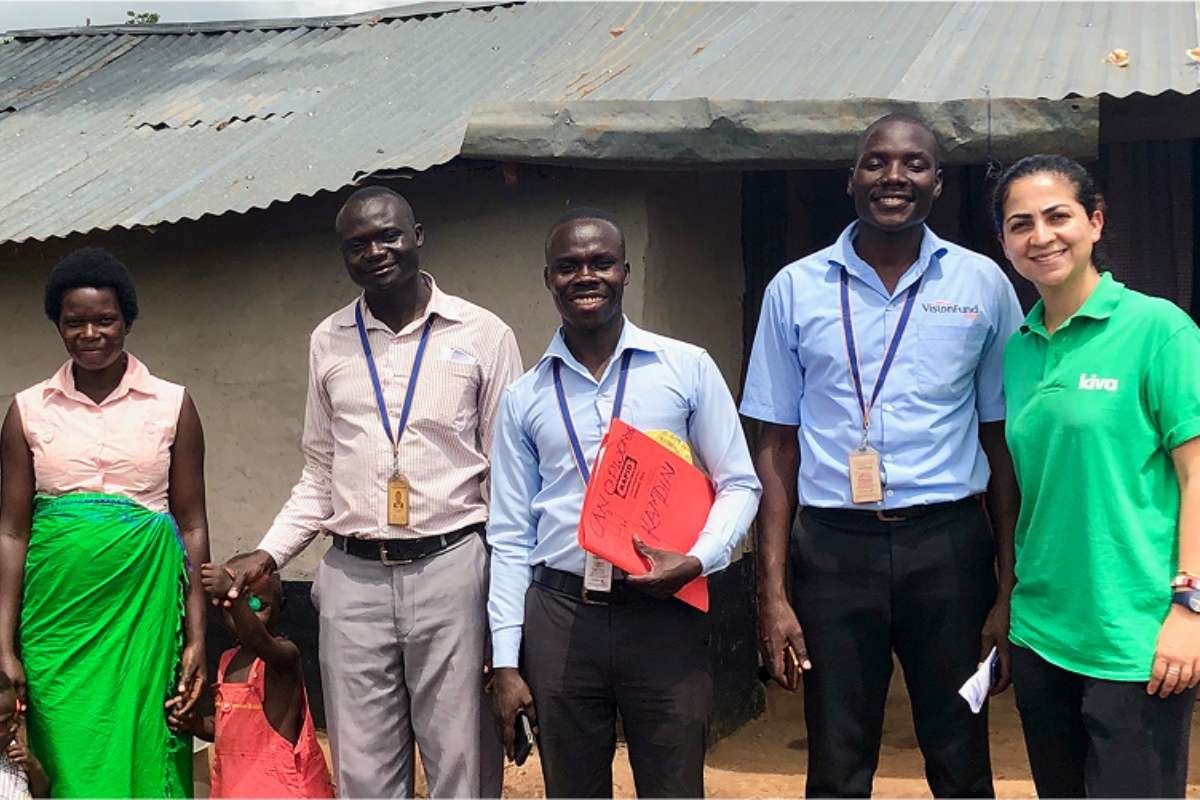
Jessica Jackley revolutionized global microfinance, the practice of issuing microloans to individuals locked out of traditional commercial banks, by removing institutional intermediaries. She co-founded Kiva in 2005 to connect everyday internet users directly with international entrepreneurs needing baseline capital.
The operational model leverages crowd-sourced funding. A global lender contributes as little as $25 to a specific overseas business profile. Kiva pools these funds, routes them through local field partners, and returns the capital to the original lender once the borrower pays off the balance. Kiva boasts a historical repayment rate of 96.4%.
- Verified Market Impact: Over its 20-year operational history, Kiva has facilitated over $2.4 billion in crowdfunded microloans across 90 countries, with the clear majority of funding flowing directly to women-owned retail and farming startups.
- Strategic Executive Takeaway: Scalable technology transforms personal generosity into a high-volume liquidity pool when the participation mechanics remain frictionless.
3. Tala (Global)
- Founder & CEO: Shivani Siroya
- Operational Focus: Algorithmic Smartphone Risk Underwriting & Mobile Capital Delivery
Billions of individuals globally possess no formal credit score. Traditional banking institutions reject these applicants because they lack static bank accounts, payroll slips, or property titles to serve as collateral. Shivani Siroya created Tala to bypass this structural data void.
Tala bypasses traditional credit bureaus completely. The company uses a proprietary mobile app that analyzes thousands of alternative data points on a user’s smartphone. It tracks merchant transaction histories, regular utility payment cadences, and behavioral consistency to gauge financial responsibility accurately.
Smartphone App ──► Alternative Data Scans ──► Instant Credit Scoring ──► Mobile Loan Disbursal
- Verified Market Impact: Tala has disbursed over $7 billion in micro-credit loans to more than 13 million customers across emerging markets, including Kenya, the Philippines, Mexico, and India.
- Strategic Executive Takeaway: Deep systemic innovation begins the exact moment you rebuild old infrastructure to value the data points that traditional systems ignore.
4. Solar Sister (Sub-Saharan Africa)
- Founder: Katherine Lucey
- Operational Focus: Last-Mile Green Energy Networks & Micro-Franchising
Katherine Lucey established Solar Sister to eradicate energy poverty—the complete lack of access to grid electricity—across rural African communities. The business targets two critical problems simultaneously: the hazardous environmental impacts of indoor kerosene smoke and the systemic lack of professional income options for rural women.
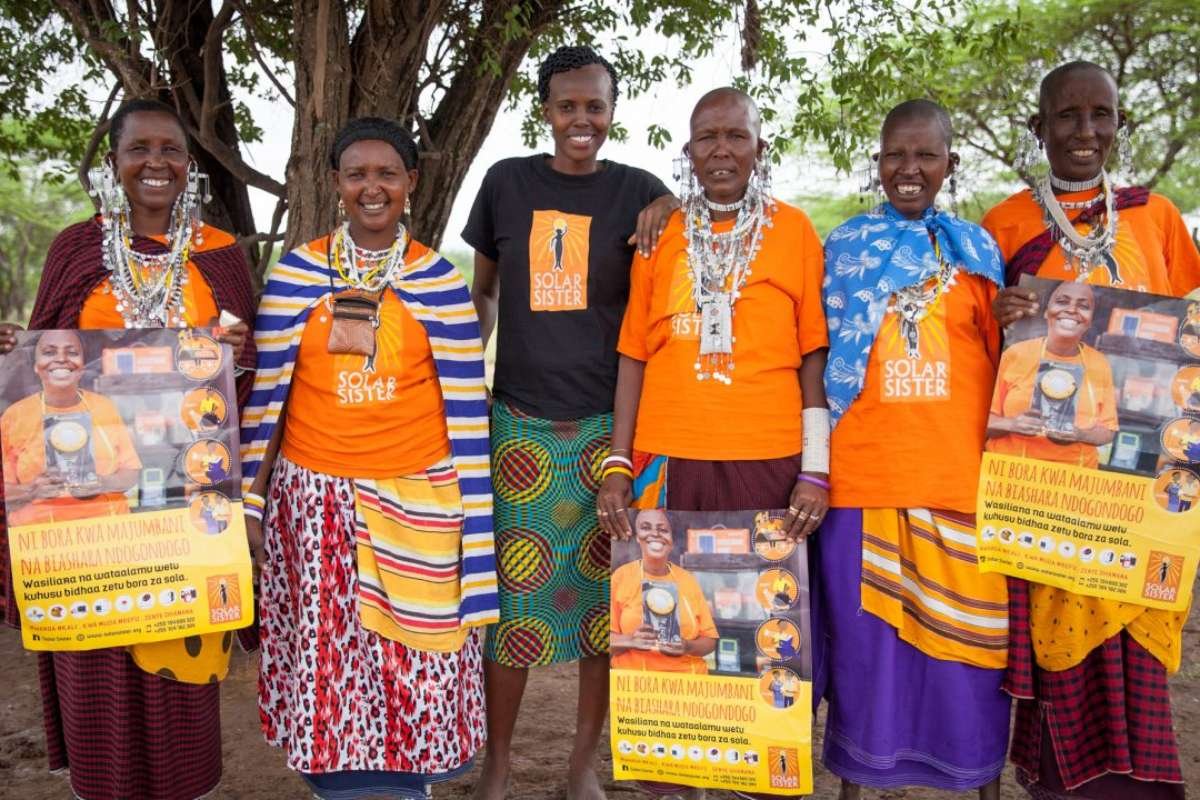
The enterprise operates a direct-to-consumer micro-franchise model. Solar Sister recruits, trains, and supplies local women with clean energy inventories, including portable solar lanterns, phone-charging panels, and energy-efficient cookstoves. These entrepreneurs sell the clean energy products directly within their social networks, earning a sustainable retail profit margin.
- Verified Market Impact: Independent impact reports confirm that Solar Sister has built a network of more than 12,100 trained clean-energy entrepreneurs. This network has delivered sustainable lighting and clean cooking products to over 5.5 million people, mitigating 2 million metric tonnes of carbon emissions.
- Strategic Executive Takeaway: The most resilient business structures resolve environmental and financial challenges through a singular, unified supply chain loop.
5. SOKO (Kenya)
- Co-Founder: Ella Peinovich
- Operational Focus: Mobile Supply Chain Optimization for Artisans
Talented jewelry and textile artisans in developing markets frequently remain trapped in low-income cycles. Traditional retail supply chains rely on extractive middlemen who drive wholesale buying prices down while commanding premium prices in Western markets. SOKO remedies this through its “virtual factory” technology.
The company deploys a mobile-driven logistics network. Independent Kenyan artisans receive production orders, raw material coordinates, and quality benchmarks directly via their smartphones. SOKO aggregates this decentralized manufacturing output, matches it with international style demands, and sells the products directly to major retail brands.
- Verified Market Impact: The business connects thousands of independent Kenyan creators to international fashion retailers. This direct connection increases average artisan incomes by up to four times the regional baseline average.
- Strategic Executive Takeaway: You can democratize access to high-value global markets by replacing physical retail intermediaries with transparent mobile supply chain software.
Read More: Social Enterprise vs NGO
6. Sama (Global)
- Founder: Leila Janah
- Operational Focus: Ethical Digital Sourcing & AI Training Data Production
Leila Janah launched Sama on a clear, data-driven premise: “Give work, not aid.” She aimed to prove that sustainable employment routes poverty far more effectively than charitable dependency.
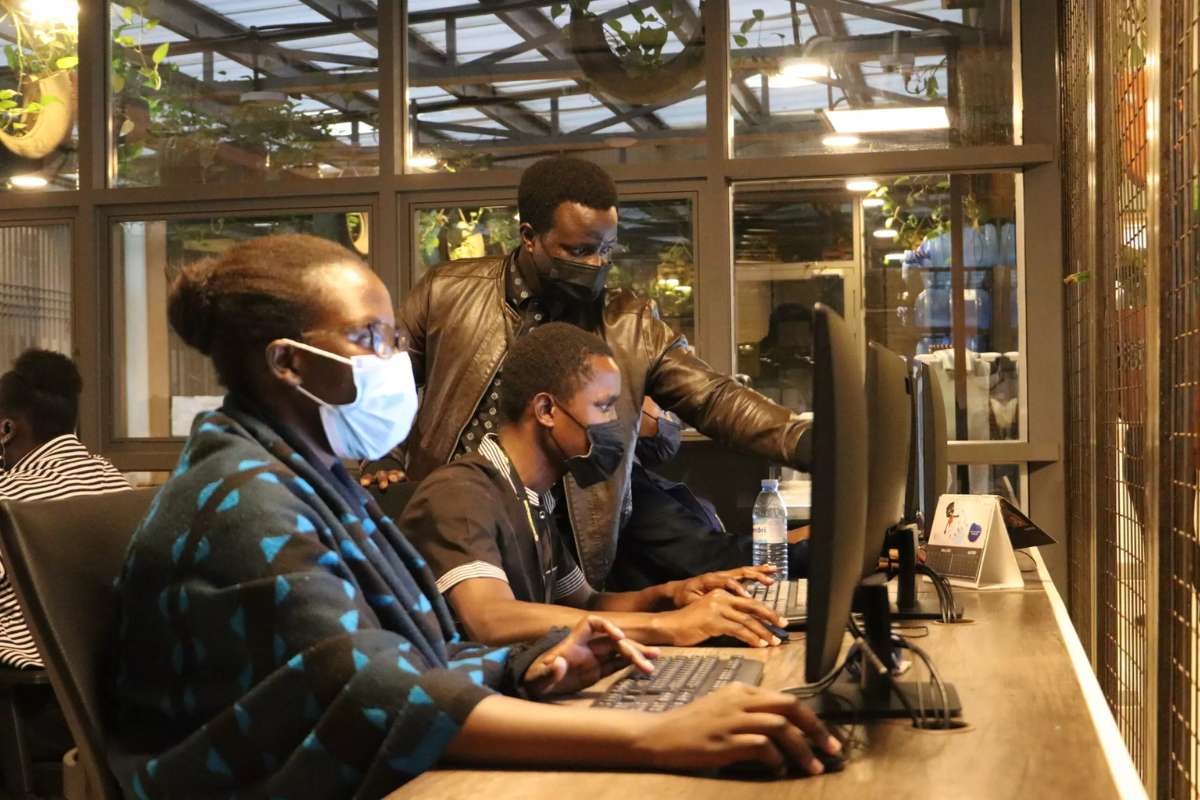
Sama acts as an ethical outsourcing partner for global technology corporations. The enterprise recruits and trains workers from low-income communities, refugee camps, and underserved urban centers. These workers perform high-precision digital tasks, including computer vision image annotation and AI training data validation.
Underserved Workers ──► Tech Training ──► Precision AI Annotation ──► Living Wage Careers
- Verified Market Impact: Sama employs tens of thousands of individuals across Kenya, Uganda, and India. The platform has successfully transitioned thousands of families into the formal digital economy, fundamentally steering global corporate standards toward ethical supply chain sourcing.
- Strategic Executive Takeaway: Structuring an inclusive corporate workforce should serve as a core revenue driver, rather than a secondary human resources compliance checkbox.
7. Hello Tractor (Africa & Asia)
- Co-Founder: Martha Haile
- Operational Focus: Pay-As-You-Go Agricultural Machinery Monopolization
Smallholder farmers often lose significant crop yields because they prepare land manually using hand tools. Buying a commercial tractor requires capital that small farmers do not have. Martha Haile co-founded Hello Tractor to introduce an “Uber-for-tractors” asset-sharing application.
The business places specialized IoT (Internet of Things) tracking sensors onto commercial tractors. Local tractor owners use the software to monitor equipment health, track fuel usage, and optimize routes. Meanwhile, local booking agents use the mobile app to pool smallholder plowing requests into coordinated geographic clusters, matching localized demand with available machine fleets.
- Verified Market Impact: Hello Tractor services more than 1 million smallholder farmers across more than 15 countries. The system accelerates regional food security, cuts field preparation times from weeks to hours, and expands mechanization access for female farmers.
- Strategic Executive Takeaway: Capital efficiency improves drastically when a business prioritizes shared on-demand usage over heavy individual asset ownership.
8. Made For A Woman (Madagascar)
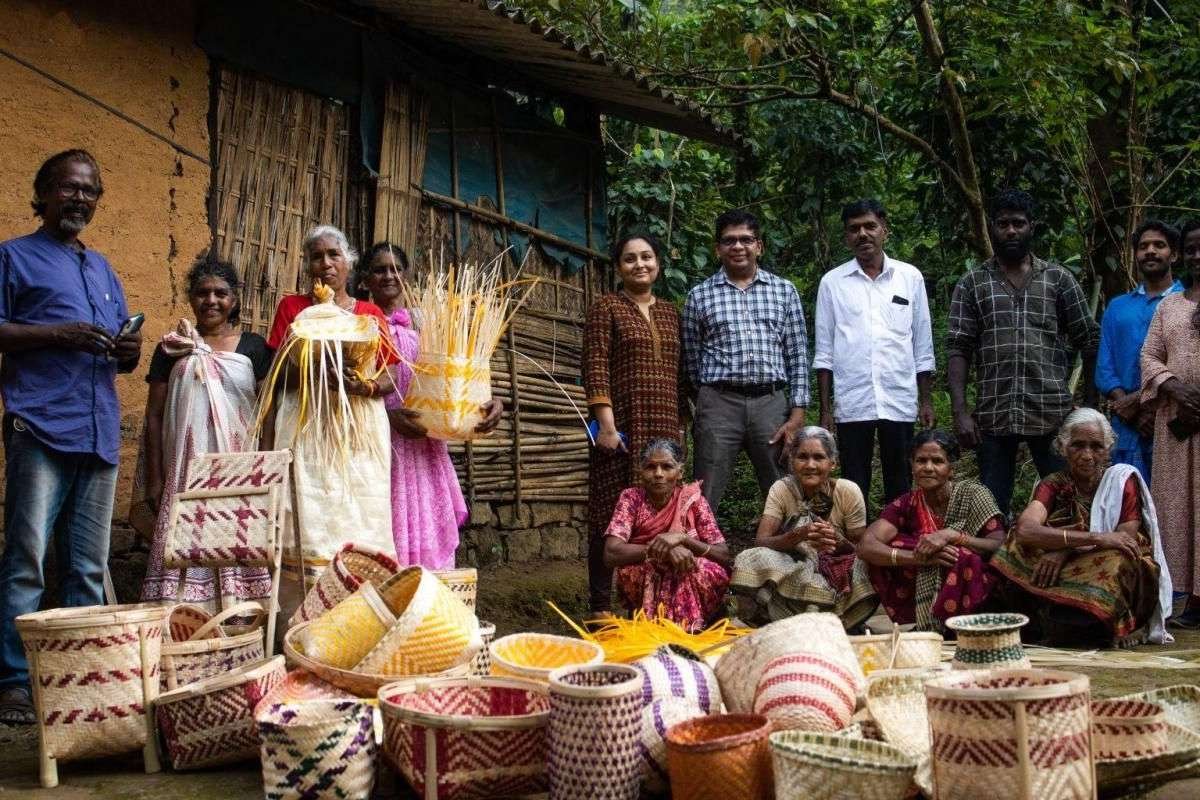
- Founder: Eileen Claudia Akbaraly
- Operational Focus: Sustainable Luxury Craftsmanship & Holistic Employee Protection
Eileen Claudia Akbaraly founded Made For A Woman in Madagascar to prove that high-end fashion can operate with total ethical transparency. The business transforms locally sourced, eco-friendly raffia fibers into luxury accessories for global fashion houses.
The enterprise treats employee well-being as its primary performance indicator. Alongside paying fair living wages, the enterprise provides its workforce with completely free healthcare, on-site childcare, mental health services, and tailored financial literacy courses.
- Verified Market Impact: The company has scaled its artisan manufacturing base from 350 to over 750 protected Malagasy artisans. Its sustainable manufacturing model has earned verified design partnerships with iconic global luxury brands like Chloé and Fendi.
- Strategic Executive Takeaway: Comprehensive employee healthcare and education programs function as strategic growth drivers that improve product quality, rather than operational cost drains.
9. Proximity Designs (Myanmar)
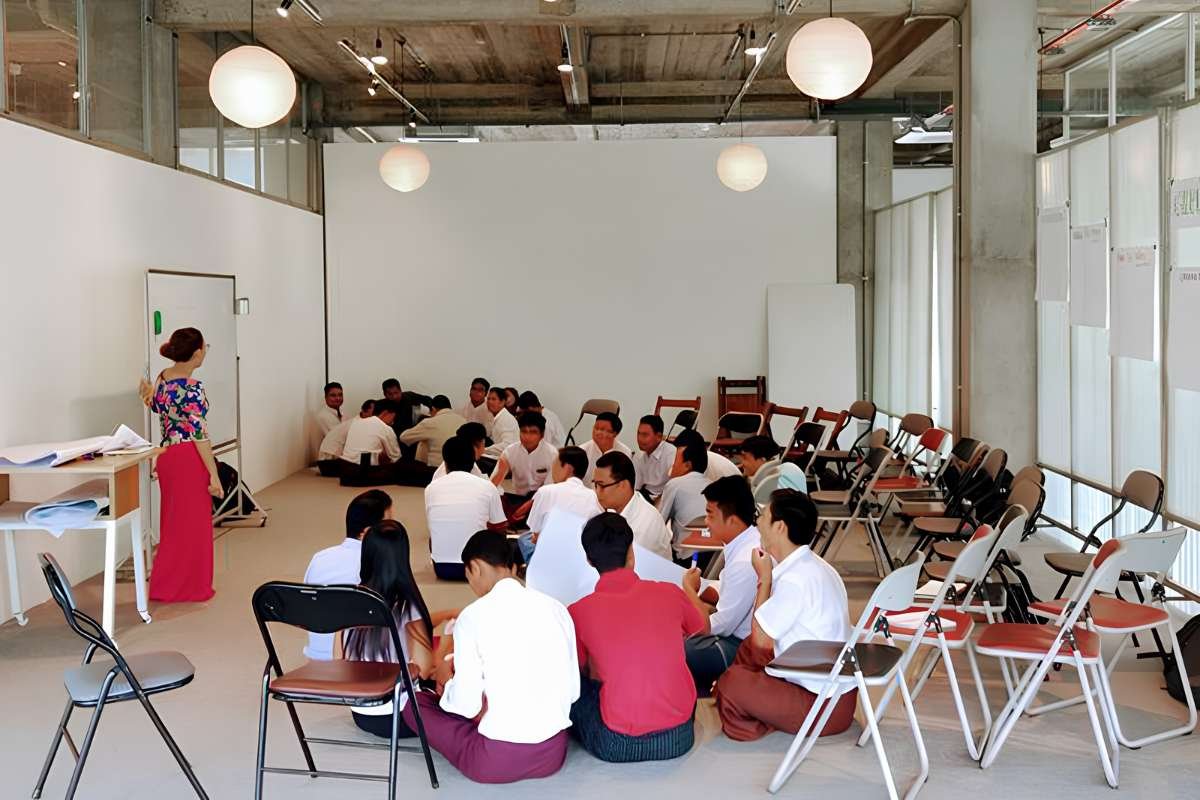
- Co-Founder: Debbie Aung Din Taylor
- Operational Focus: Human-Centered Agronometrics & Affordable Farm Infrastructure
Debbie Aung Din Taylor co-founded Proximity Designs to treat low-income rural farmers as sophisticated corporate consumers. Instead of distributing generic charity equipment, the enterprise uses deep ethnographic research to design highly specific, affordable agricultural tools.
The company manufactures and distributes low-cost drip irrigation systems, solar-powered water pumps, and tailored microbial soil treatments. Proximity Designs pairs these hardware products with data-driven advisory services, protecting crop fields against erratic climate shifts.
Field Ethnography ──► Low-Cost Engineering ──► Direct Distribution ──► Higher Crop Yields
- Verified Market Impact: Proximity Designs has reached more than 4 million rural farm beneficiaries across Myanmar. Its affordable tech products increase average household farm net incomes by an estimated $250 annually.
- Strategic Executive Takeaway: High-performing products emerge when design teams base their engineering choices on the daily realities of the end user.
10. Musee Bath (United States)
- Founder: Leisha Pickering
- Operational Focus: Inclusive Manufacturing for Vulnerable Demographics
Leisha Pickering built Musee Bath to demonstrate how consumer packaged goods businesses can solve localized employment crises. The enterprise manufactures premium, handmade bath products while intentionally restructuring its hiring pipelines to recruit individuals who face severe structural barriers to formal employment.
The company hires survivors of domestic abuse, individuals navigating recovery from substance addiction, and formerly incarcerated citizens. Musee Bath designs its production floors to provide flexible working arrangements, therapeutic environments, and long-term career stabilization paths.
- Verified Market Impact: The brand operates a highly profitable national consumer product infrastructure. It creates hundreds of living-wage manufacturing jobs and secures stable retail placement inside major mass-market American corporations.
- Strategic Executive Takeaway: Intentional, mission-driven hiring pipelines can create a highly loyal, low-turnover workforce that delivers a distinct competitive market advantage.
Common traits shared by the most successful women-led social enterprises
Despite operating across different industries, the most successful women-led social enterprises share five characteristics:
- They solve a clearly defined problem.
- They measure impact as rigorously as revenue.
- They create ownership instead of dependency.
- They leverage technology to scale outcomes.
- They prioritize long-term community transformation over short-term growth.
These organizations prove that social impact and business success are not competing goals. They are often the result of the same strategy executed exceptionally well.
Information Gain: What Most Articles Miss about Women-Led Social Enterprises
Most discussions focus on inspirational founder stories. That misses the deeper lesson. The most successful women-led social enterprises rarely solve a single problem. They solve multiple interconnected problems simultaneously.
For example:
| Enterprise | Immediate Problem | Long-Term Impact |
| Kiva | Lack of capital | Financial inclusion |
| SEWA | Informal employment | Wealth creation |
| Solar Sister | Energy access | Gender equality |
| Hello Tractor | Farm productivity | Food security |
| Made For A Woman | Artisan income | Community development |
This systems-thinking approach explains why social enterprises often generate impact far beyond their original mission.
Frequently Asked Questions
1. What are women-led social enterprises?
Women-led social enterprises are organizations founded or led by women that prioritize measurable social impact while operating sustainable business models.
2. Why are women-led social enterprises important?
They address social challenges while creating economic opportunities, particularly for underserved communities and women.
3. Which country has the most women-led social enterprises?
India, Kenya, Bangladesh, the United States, and several African nations have become major hubs for women-led impact entrepreneurship.
4. How do social enterprises make money?
Most generate revenue through product sales, services, subscriptions, partnerships, or blended funding models while reinvesting resources into their mission.
5. Are social enterprises nonprofits?
No. Some operate as nonprofits, while many function as for-profit businesses with strong social missions.
Final Thoughts: The Future of Global Growth
The expansion of women-led social enterprises marks a structural evolution in global economic architecture. These firms thoroughly dismantle the outdated notion that commercial viability and social equity are zero-sum tradeoffs.
By applying modern technology, alternative data parsing, and human-centered design to historically neglected markets, these female executives build highly resilient commercial systems. As global capital markets increasingly reward long-term sustainability over short-term exploitation, these enterprises will continue to set the benchmark for modern corporate excellence
Thank You For Reading!
See More
Biggest Mistakes Social Enterprises Make That Stop Real Growth