
Key Takeaways:
- US Prioritises Domestic Manufacturing of Critical Technology Materials
- New Trade Barriers Could Reshape Global Solar Supply Chains
- US-China Competition Expands Into Clean Energy and Advanced Technologies
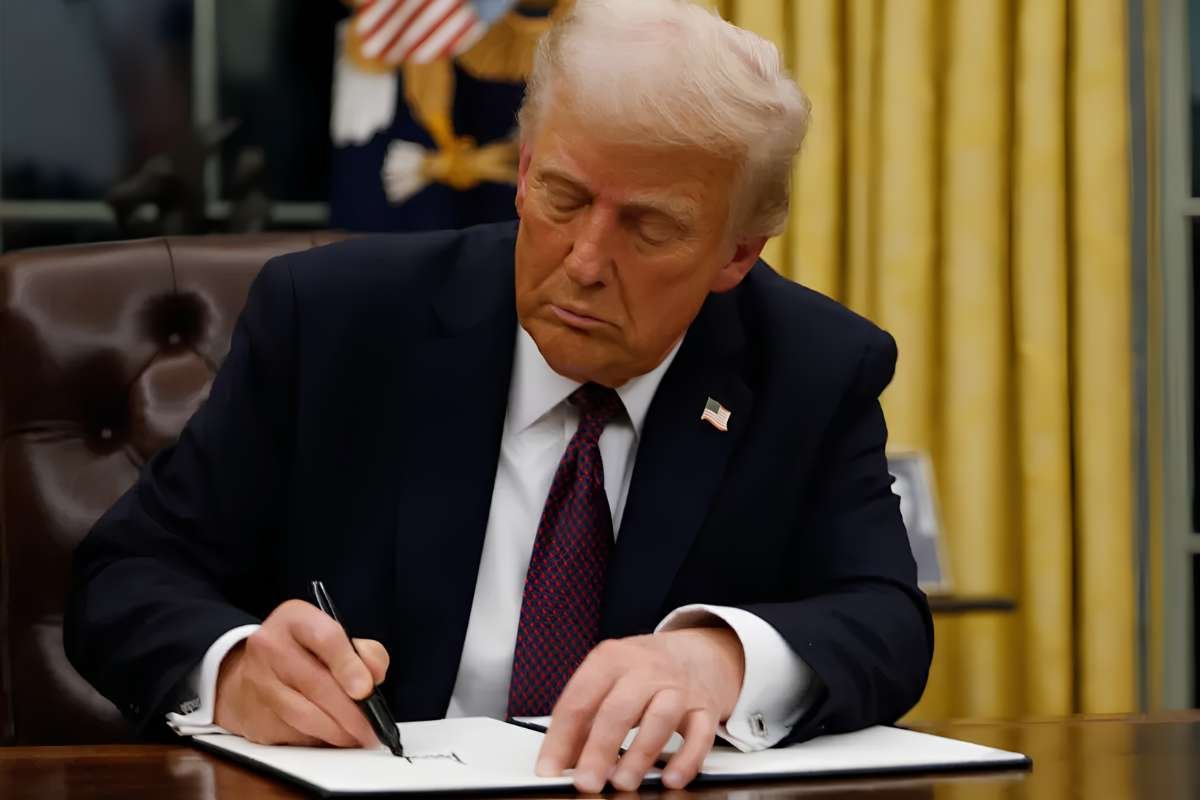
U.S. President Donald Trump has signed a polysilicon executive order aimed at protecting the country’s polysilicon industry, introducing new trade measures designed to strengthen domestic manufacturing and reduce dependence on foreign suppliers. The move focuses on polysilicon, a critical material used in solar panel production and semiconductor manufacturing, two industries that have become central to America’s energy transition and technological competitiveness.
The executive order introduces a 15% tariff on imported polysilicon products while establishing minimum price requirements for certain solar-related materials. The administration said the measures are intended to prevent overseas producers from selling products at artificially low prices and weakening the ability of U.S. manufacturers to compete.
The decision follows a federal review examining the impact of foreign polysilicon imports on domestic industries. Officials concluded that heavy reliance on international suppliers could create vulnerabilities in critical supply chains, particularly as geopolitical tensions and competition with China continue to influence global trade policies.
Polysilicon is a foundational material for producing solar wafers, photovoltaic cells, and semiconductor components. With renewable energy expansion and advanced technologies such as artificial intelligence driving demand for these industries, governments are increasingly focused on securing reliable access to essential materials.
The Trump administration has positioned the polysilicon executive order as part of a broader industrial strategy focused on rebuilding domestic manufacturing capacity, encouraging investment in U.S. production facilities, and strengthening supply chain security. Officials have argued that reducing dependence on foreign sources is necessary to protect industries considered vital to national and economic security.
Tariffs and price rules designed to support American manufacturers
The new policy is expected to provide greater protection for U.S.-based polysilicon producers and solar manufacturers by increasing barriers for imported materials. Along with tariffs, minimum pricing requirements aim to prevent foreign companies from undercutting American manufacturers through lower-priced exports.
Supporters of the move believe the policy could encourage companies to expand production within the United States, creating opportunities for manufacturing growth and additional employment. A stronger domestic supply chain could also help reduce risks linked to international disruptions, trade disputes, and shortages of critical materials.
The decision aligns with the Trump administration’s wider approach of promoting domestic production across strategically important industries. Over recent years, policymakers have increasingly emphasized the need to bring manufacturing operations closer to home, particularly in sectors connected to energy, technology, and national security.
However, the new restrictions could also create challenges for companies that depend on imported polysilicon and solar components. Businesses operating within global supply networks may face higher input costs as they adjust sourcing strategies and look for alternative suppliers.
The measures are expected to take effect later this year, providing manufacturers and importers time to prepare for the changes. Some domestic industry groups had pushed for faster implementation, warning that delays could allow foreign suppliers to increase exports before the new restrictions begin. Despite these concerns, the administration has maintained its planned timeline.
The policy highlights the growing importance of supply chain resilience in U.S. economic planning. Beyond solar energy, polysilicon is also essential for semiconductor manufacturing, making it a strategic resource in industries linked to digital infrastructure, advanced computing, and artificial intelligence development.
Policy reflects intensifying competition over critical technologies
The polysilicon executive order marks another escalation in U.S. efforts to reduce dependence on China for key industrial materials and strengthen domestic capabilities. China remains a dominant force in global solar manufacturing, including significant production capacity across polysilicon, solar wafers, and related components.
By introducing tariffs and pricing controls, the United States aims to encourage greater investment in domestic manufacturing while limiting potential risks associated with concentrated foreign supply chains. The policy reflects a broader global trend in which governments are increasingly treating clean energy technologies as strategic assets linked to economic security.
While supporters argue that the measures will help rebuild American manufacturing strength, industry analysts have raised concerns about possible short-term impacts. Higher material costs could affect solar developers, manufacturers, and technology companies that rely on affordable and consistent supplies of polysilicon-based products.
The move also demonstrates how renewable energy and national security policies are becoming increasingly connected. Governments are no longer focusing only on expanding clean energy capacity but are also examining the origin, reliability, and security of the materials required to build renewable infrastructure.
As companies adapt to the new trade environment, the impact of the executive order will be closely monitored across the solar, semiconductor, and technology sectors. Businesses will assess how the tariffs influence production costs, investment decisions, and future supply chain strategies.
With this latest action, the Trump administration has reinforced its commitment to reshoring critical industries and reducing reliance on foreign suppliers. The policy represents a significant step in the ongoing effort to strengthen U.S. manufacturing and secure access to materials considered essential for the country’s future energy and technology ambitions.