
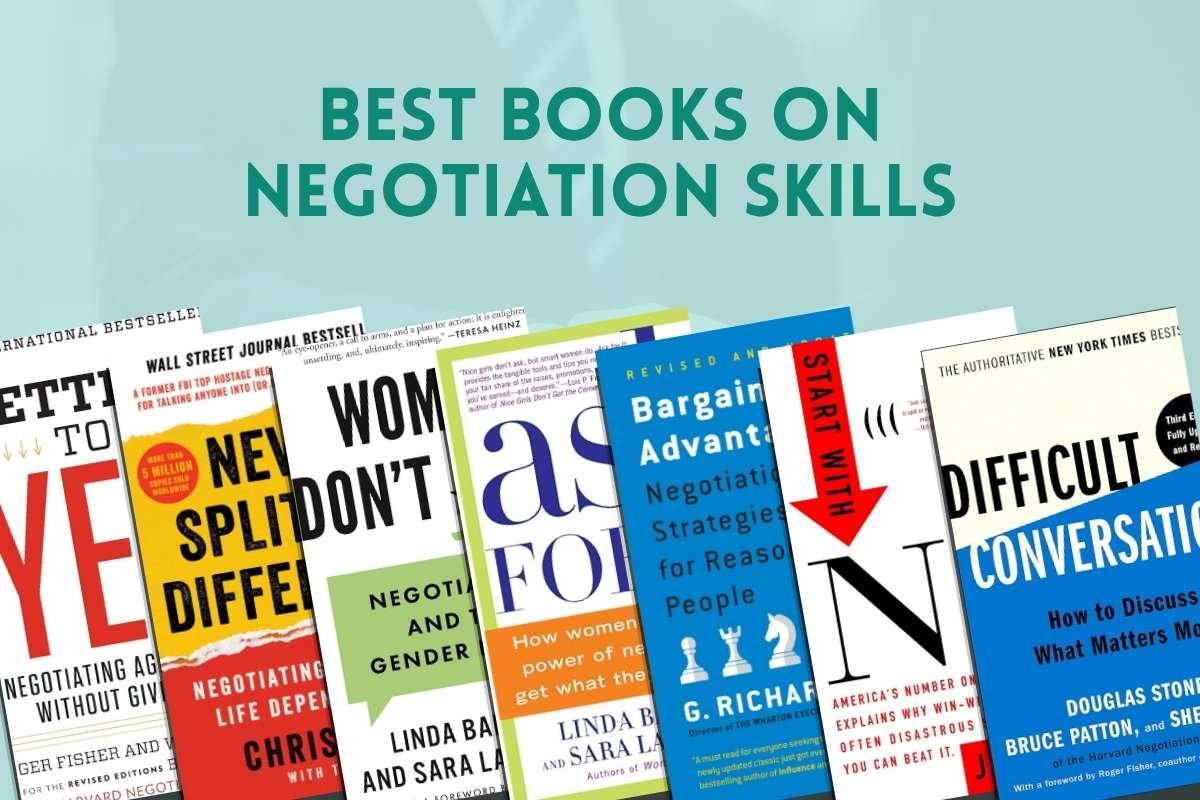
The best books on negotiation skills don’t simply teach people how to win arguments. They teach readers how to prepare, communicate value, understand interests, and make stronger decisions under pressure.
For women, those skills can have an especially important career impact. Research on workplace negotiation has repeatedly found that women can face different expectations and consequences when they advocate for themselves. One influential study found that women were less likely than men to negotiate an initial salary offer when they were not explicitly told negotiation was possible.
The issue, therefore, isn’t simply whether women negotiate. It is knowing when to ask, what to ask for, and how to frame the request.
From salary increases and promotions to flexible work, client contracts, and startup deals, negotiation is part of professional life. For women working in sales, entrepreneurship, or leadership, understanding B2B negotiation tactics can also be valuable when negotiating with clients, vendors, and business partners. The right books can provide frameworks that make those conversations less intimidating and more deliberate.
Here are 10 books worth adding to a woman’s negotiation bookshelf.
Why negotiation skills matter for women?
Negotiation goes beyond salary. Women may negotiate for promotions, leadership roles, flexibility, resources, equity, and project ownership. When flexibility is the goal, learning how to negotiate flexible work arrangements can help turn a general request into a clear, business-focused proposal.
Negotiation can also extend beyond compensation. A promotion discussion may involve negotiating job title and role scope, especially when responsibilities have expanded without a corresponding change in title, authority, or recognition.
The best books on negotiation skills can help women prepare, communicate their value, and negotiate strategically.
The need is clear: women earned about 85% of men’s median hourly earnings in the U.S. in 2024, according to Pew Research Center. Yet research shows women can face greater social penalties when negotiating for themselves.
The takeaway? Successful negotiation is about strategy, not aggression.
10 best books on negotiation skills for women
The best books approach the subject from different angles, so the right choice depends on the situation you want to improve.
1. Getting to yes — Roger fisher, William Ury and Bruce Patton
Best for: Learning negotiation fundamentals
Few negotiation books are as foundational as Getting to Yes, making it one of the best books on negotiation skills for learning the fundamentals of principled negotiation. Its central approach is principled negotiation: separate people from problems, focus on interests rather than positions, generate mutually beneficial options, and use objective criteria.
Key lesson: Don’t make the negotiation a contest between two positions.
For women negotiating a promotion, for example, “I deserve a promotion” can become a stronger conversation when reframed around measurable responsibilities, business results, and the value created by the role.
Takeaway for women: Build the conversation around evidence and interests rather than trying to prove that you deserve to win.
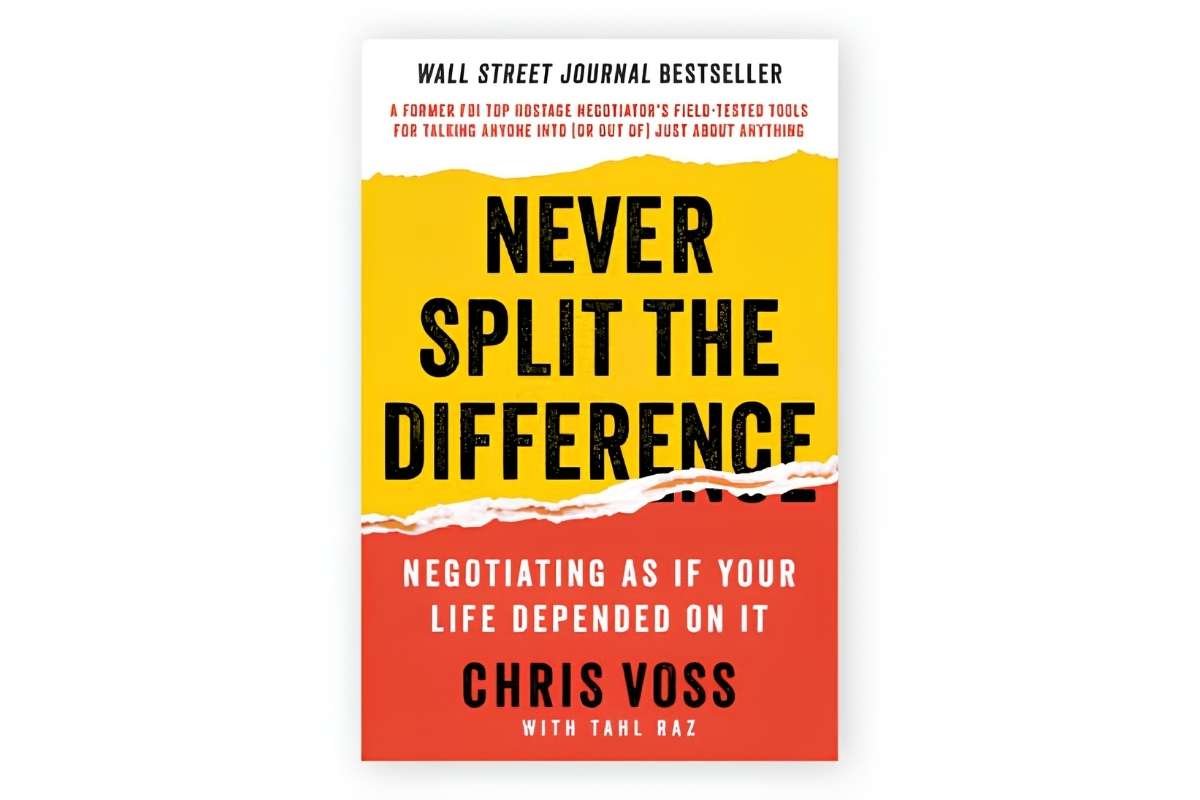
2. Never split the difference — Chris Voss
Best for: High-pressure negotiations
Former FBI hostage negotiator Chris Voss brings a very different perspective to negotiation, making Never Split the Difference one of the best books for high-pressure conversations. The book emphasizes tactical empathy, calibrated questions, labeling emotions, and carefully listening to the other person’s language.
One of its most useful ideas is that negotiation isn’t simply about presenting your argument. It is about understanding what is happening on the other side of the table.
Key lesson: Listening strategically can give you more negotiating power than talking continuously.
Takeaway for women: You don’t need to dominate a conversation to demonstrate authority. Asking precise questions can shift the conversation while keeping your tone collaborative.
3. Women don’t ask — Linda babcock and Sara laschever
Best for: Understanding why women may hesitate to negotiate
This is perhaps the most directly relevant title for women on the list and one of the best books on negotiation skills for understanding why women may hesitate to negotiate for themselves.
Women Don’t Ask examines research around women’s negotiation behavior and the consequences of failing to ask for better terms. Its central message is simple but powerful: opportunities can be lost when people don’t negotiate for themselves.
The book is particularly valuable because it moves the conversation beyond “be more confident” and examines the social and psychological factors influencing women’s decisions to negotiate.
Key lesson: An unasked-for improvement is still an improvement you may have missed.
Takeaway for women: Before accepting an offer, ask yourself: What could I reasonably negotiate?
4. Ask for it — Linda babcock, Sara laschever, michele gelfand and Deborah small
Best for: Turning negotiation theory into action
If Women Don’t Ask explains the problem, Ask for It focuses more heavily on the process of asking, making it one of the best books for turning negotiation theory into action.
The book provides a framework for identifying what you want, assessing your leverage, and preparing for negotiations.
Key lesson: Confidence becomes more useful when it is backed by preparation.
For women negotiating salary, flexibility, or responsibilities, this means entering the conversation with a specific request rather than a vague desire for “better terms.”
Takeaway for women: Know your target, your evidence, and your alternatives before you start talking.
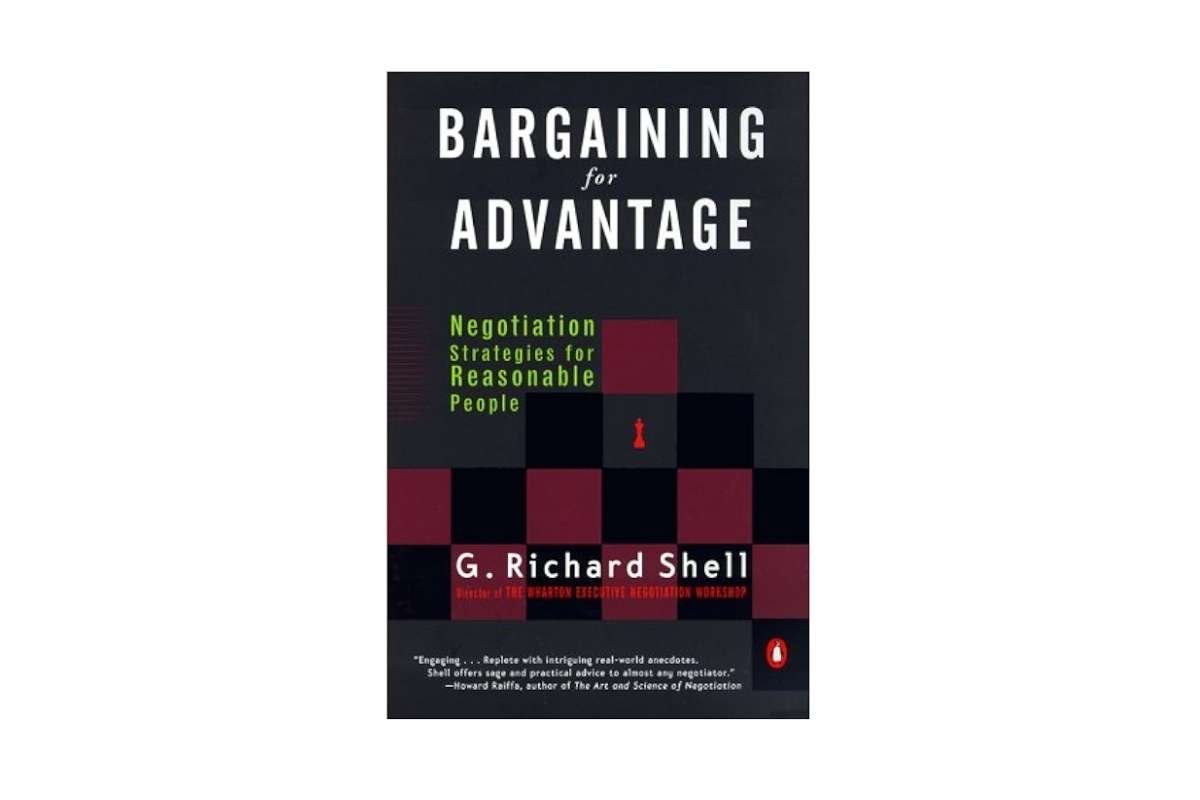
5. Bargaining for advantage — g. Richard shell
Best for: Building a personal negotiation strategy
Shell’s approach emphasizes preparation, negotiation styles, relationships, and strategy, making Bargaining for Advantage one of the best books on negotiation skills for developing a personal negotiation strategy.
One particularly useful concept is recognizing that negotiators have different negotiation styles. Some may naturally compete; others collaborate, accommodate, or avoid conflict.
Key lesson: There isn’t one personality type that makes someone a good negotiator.
That matters for women who may assume they need to become more forceful to negotiate effectively.
Takeaway for women: You don’t need to change your personality. You need a strategy that uses your existing strengths effectively.
6. Start with no — Jim Camp
Best for: Maintaining boundaries and avoiding emotional pressure
The title sounds counterintuitive, but the principle is useful: don’t become emotionally dependent on getting a “yes.”
A negotiator who desperately needs one particular outcome may make unnecessary concessions. A negotiator with alternatives has more freedom.
Key lesson: Detachment can strengthen decision-making.
For women, this can be especially valuable when negotiating freelance rates, job offers, or business contracts where there is pressure to accept the first reasonable-looking proposal.
Takeaway for women: Know your minimum acceptable outcome before entering the conversation.
7. Difficult conversations — Douglas stone, Bruce Patton and Sheila Heen
Best for: Workplace conflict and emotionally difficult negotiations
Not every negotiation is about money.
Some involve feedback, interpersonal conflict, missed expectations, workload, or boundaries. Difficult Conversations offers a framework for understanding what people are saying, what they mean, and why conversations become emotionally charged.
Key lesson: A difficult conversation often contains multiple conversations beneath the surface.
For example, a discussion about workload may also involve recognition, fairness, and career progression.
Takeaway for women: Address the underlying issue instead of negotiating only the surface problem.
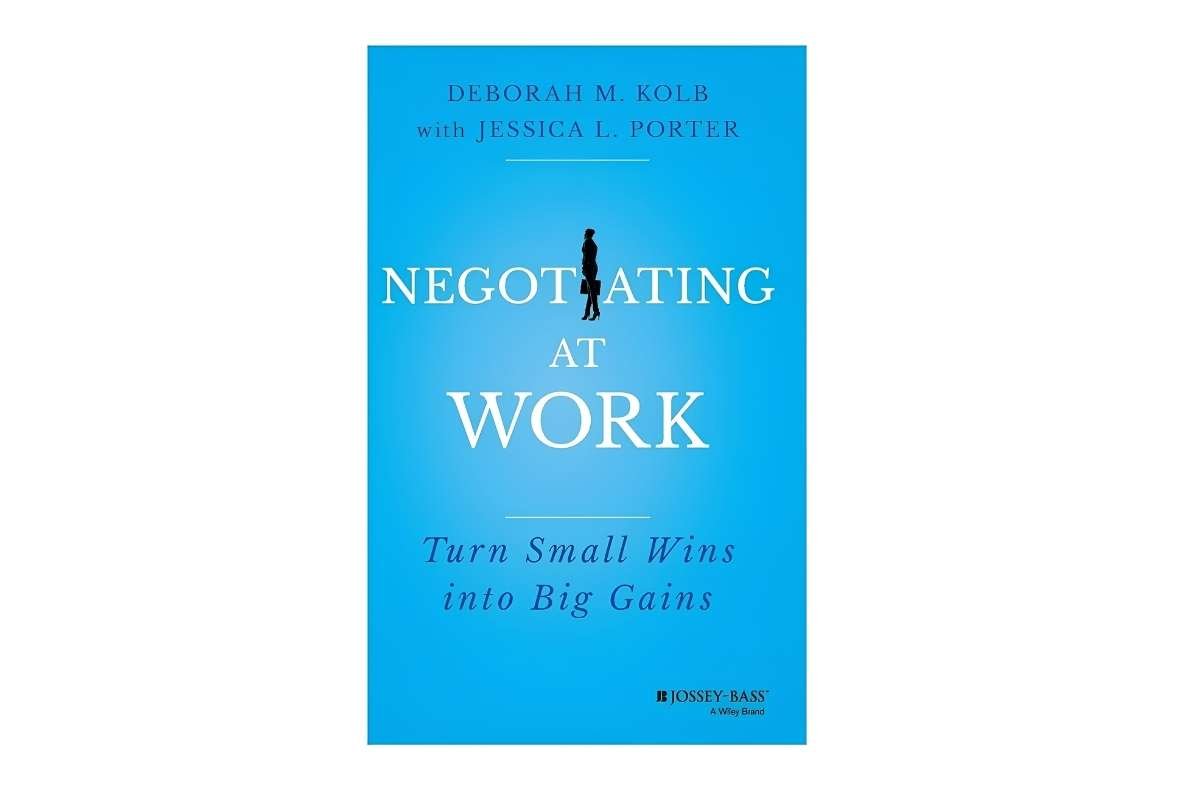
8. Negotiating at work — Deborah m. Kolb and Jessica l. Porter
Best for: Women navigating workplace power dynamics
Workplace negotiation doesn’t always look like a formal negotiation. It can happen when someone asks for a project, seeks sponsorship, proposes a new responsibility, or tries to influence a decision.
Negotiating at Work is particularly useful for understanding these everyday negotiations and is one of the best books for navigating relationships, power, and organizational context in the workplace.
Key lesson: Many career negotiations happen before anyone sits down at a negotiating table.
Takeaway for women: Treat visibility, relationships, and sponsorship as part of your broader negotiation strategy, not separate from it.
9. The power of a positive no — William Ury
Best for: Setting boundaries without damaging relationships
Women can sometimes face pressure to remain accommodating, particularly in collaborative environments.
Ury’s book focuses on saying no while protecting both your interests and the relationship.
That is useful when declining unreasonable deadlines, unpaid work, excessive responsibilities, or unfavorable contract terms.
Key lesson: Saying no doesn’t have to mean ending the relationship.
Takeaway for women: A strong boundary can be respectful, specific, and non-negotiable.
10. Influence — Robert B. Cialdini
Best for: Understanding persuasion
Negotiation isn’t only about what you say. It is also about how people make decisions.
Cialdini explores principles such as reciprocity, social proof, authority, consistency, and scarcity. Understanding these psychological mechanisms can help women recognize why certain proposals are persuasive and how to use influence ethically.
Key lesson: People don’t evaluate every decision through pure logic.
Takeaway for women: Combine evidence with an understanding of what motivates the person across the table.
What is the best book to read about negotiation?
There isn’t one universal winner among the best books on negotiation skills. The right book depends on what you need to improve.
| Your goal | Recommended book |
| Learn negotiation fundamentals | Getting to Yes |
| Handle high-pressure conversations | Never Split the Difference |
| Become more comfortable asking | Women Don’t Ask |
| Prepare for workplace negotiations | Negotiating at Work |
| Handle difficult conversations | Difficult Conversations |
| Set stronger boundaries | The Power of a Positive No |
For women who are completely new to negotiation, starting with Getting to Yes and Women Don’t Ask provides a strong combination of negotiation fundamentals and gender-specific context.
What is the 70/30 rule in negotiation?
The 70/30 rule in negotiation is commonly used as a practical listening principle: aim to spend roughly 70% of the conversation listening and 30% speaking.
It isn’t a universal scientific law, but it captures an important negotiation habit: don’t rush to fill every silence.
Listening can reveal:
- The other person’s priorities
- Their concerns
- Their constraints
- Their decision criteria
- Potential trade-offs
For women who worry that assertiveness requires speaking more, this is an important distinction: influence doesn’t require dominating the conversation.
What is the golden rule of negotiation?
A practical golden rule is:
Never negotiate against yourself.
If you ask for a salary of ₹X and the employer pauses, don’t immediately lower your request because you assume you’ve asked for too much.
Let the other side respond.
Instead of saying:
“Maybe that’s too much. I could accept ₹Y.”
Try:
“I’m open to discussing the overall package. How does that compare with the range you’ve budgeted for this role?”
The difference is subtle, but it keeps the negotiation open without giving away value prematurely.
How women can turn these books into better negotiation skills?

Reading the best books on negotiation skills is only the first step. The real improvement comes from applying these ideas in situations that matter. For a broader look at the skills, strategies, and approaches women can use to become stronger negotiators, Negotiation Skills for Women provides a useful starting point. For practical examples, how women can negotiate offers useful strategies for approaching common workplace and career conversations.
Read → Prepare → Practice → Negotiate → Review
| Read | Choose one framework from the best books that fits your current challenge. |
| Prepare | Write down your target, evidence, alternatives, and minimum. |
| Practice | Say your request aloud before the meeting. |
| Negotiate | Ask clearly and give the other person room to respond. |
| Review | Afterward, record what worked, what didn’t, and what you would change next time. |
Preparation also includes nonverbal communication. Paying attention to body language and negotiation can help you appear composed, attentive, and confident while making your request.
The value of the best books on negotiation skills comes from applying their frameworks repeatedly rather than simply finishing the books.
Start with low-risk negotiations. Ask for a project change. Discuss a deadline. Negotiate a freelance rate. Request professional development support.
Then take those skills into higher-stakes conversations about salary, promotions, leadership roles, and business deals.
The objective isn’t to become the toughest person in the room.
It is to become the person who knows her value, communicates it clearly, and can make a thoughtful decision even when the answer is no.
Conclusion:
The best books on negotiation skills don’t teach women to become more aggressive. They teach them to become more prepared, strategic, and intentional.
Whether you’re negotiating a salary, asking for a promotion, setting a boundary, closing a business deal, or deciding whether to walk away, the best books can help you prepare before the conversation begins.
Read the frameworks. Practice the language. Know your alternatives.
And most importantly, don’t confuse being collaborative with being unwilling to ask for what you deserve.
FAQs:
1. What is the best book to read about negotiation?
Among the best books on negotiation skills, Getting to Yes is an excellent starting point for negotiation fundamentals, while Women Don’t Ask is particularly relevant for women looking to understand and improve self-advocacy.
2. What are the top 5 books on negotiation?
Five strong choices are Getting to Yes, Never Split the Difference, Women Don’t Ask, Bargaining for Advantage, and Difficult Conversations.
3. What are some good books about negotiation techniques?
Several of the best books on negotiation skills offer practical techniques for different situations, including Never Split the Difference, Getting to Yes, Bargaining for Advantage, and The Power of a Positive No.
4. What is the 70/30 rule in negotiation?
It is a commonly used guideline suggesting that negotiators should spend roughly 70% of the conversation listening and 30% speaking. It should be treated as a practical rule of thumb rather than a strict formula.
5. What is the golden rule of negotiation?
One practical golden rule is never negotiate against yourself. Make your request, then allow the other party to respond before voluntarily reducing it.