
Key Takeaways
- Strong fundamentals are making India a key long-term growth market.
- Digital infrastructure is improving inclusion and efficiency at scale.
- Investor focus is aligning with India’s infrastructure and green growth plans.
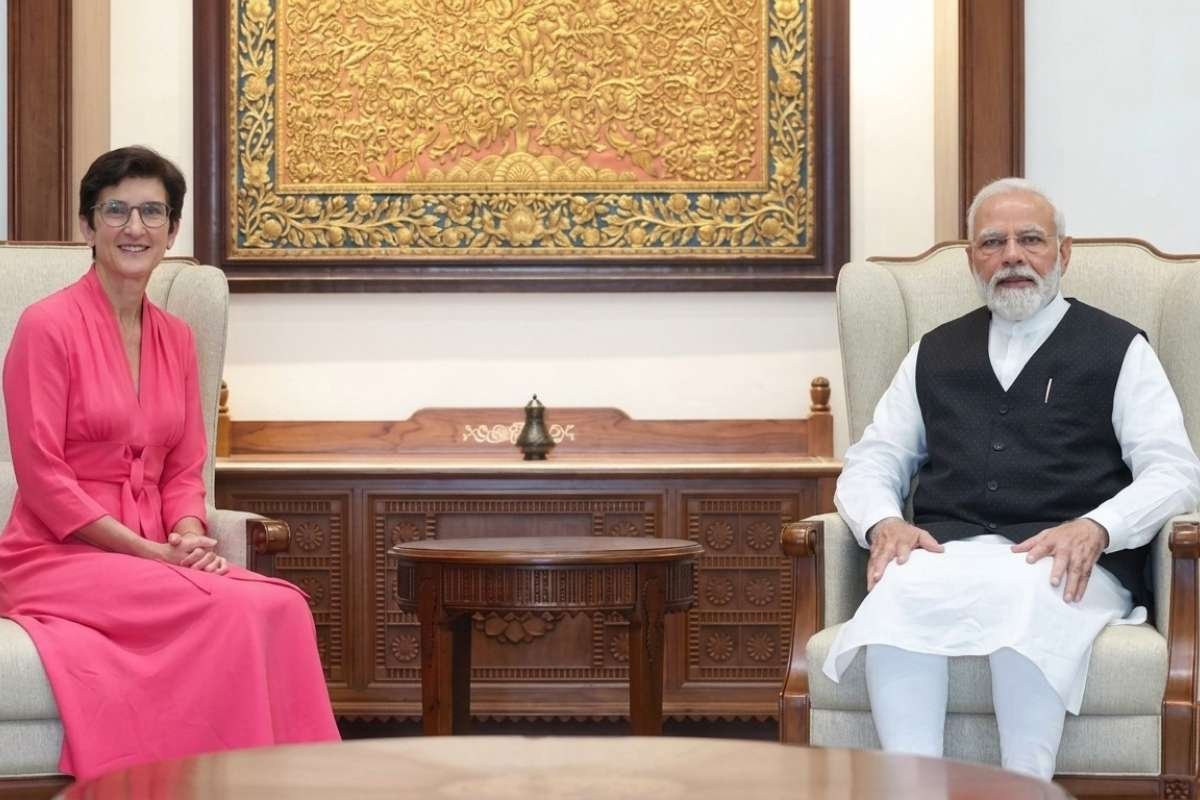
In a high-level engagement that underscored India’s growing importance in the global economic landscape, Prime Minister Narendra Modi held discussions with Jane Fraser, Chair and Chief Executive Officer of Citi, focusing on India’s long-term growth priorities, reform trajectory, and its rising influence in international financial markets.
The conversation highlighted India’s position as one of the fastest-growing major economies, driven by sustained structural reforms, strong domestic demand, and increasing global investor confidence. Prime Minister Modi reiterated the government’s focus on building a resilient and future-ready economy anchored in innovation, infrastructure expansion, and inclusive development.
Jane Fraser acknowledged India’s expanding strategic relevance for global financial institutions, noting that the country continues to stand out for its macroeconomic stability, policy consistency, and rapidly evolving economic base. She emphasized that India’s strong growth outlook, combined with its large and young population, makes it a key driver of global economic momentum in the years ahead.
Both leaders recognized that India’s economic transformation is being shaped by a unique combination of demographic strength, rising consumption, and accelerating technological adoption. These factors are not only boosting domestic growth but also strengthening India’s integration into global economic systems.
The discussion reflected a shared understanding that India’s growth story is increasingly central to global capital allocation decisions, particularly as investors seek long-term stability amid shifting global conditions.
Digital Infrastructure and Investment Climate Take Center Stage
A major focus of the discussions was India’s rapidly advancing digital ecosystem, which has become a defining pillar of its economic transformation. The leadership highlighted how India’s digital public infrastructure has significantly improved financial inclusion, governance efficiency, and access to formal financial services across the country.
The expansion of digital identity systems, banking access, and real-time payment platforms has enabled millions of individuals and small businesses to participate more actively in the formal economy. This transformation has not only improved transparency and efficiency but has also reduced transaction costs and expanded opportunities for entrepreneurship at scale.
Citi leadership also pointed to India’s increasing attractiveness as a global manufacturing and supply chain hub. As multinational corporations diversify production bases and reduce dependency on concentrated geographies, India continues to emerge as a preferred destination due to its large talent pool, competitive production environment, and improving business climate.
The engagement also underscored sustained foreign investor confidence in India’s economic fundamentals. Strong macroeconomic management, disciplined fiscal policies, and a consistent reform agenda have contributed to India maintaining its position as one of the most resilient large economies globally.
Jane Fraser reaffirmed Citi’s long-standing commitment to India, highlighting the institution’s role in facilitating capital flows, supporting corporate expansion, and enabling cross-border investment. Citi continues to play a key intermediary role in connecting Indian businesses with global financial markets while also supporting multinational companies operating in India.
The discussions further emphasized that India’s financial ecosystem is becoming increasingly sophisticated, supported by deeper capital markets, rising digital adoption, and growing participation from institutional investors.
Long-Term Vision Focused on Sustainability, Jobs, and Inclusive Growth
The final segment of the discussions centered on India’s long-term development roadmap, including infrastructure expansion, job creation, manufacturing growth, and sustainable development. Both sides acknowledged that India’s ambition to become a developed economy by 2047 will require continued collaboration between the government, global investors, and financial institutions.
A key theme was the importance of strengthening India’s manufacturing base and industrial capacity to generate large-scale employment opportunities. Equally important was the need to enhance workforce skills and improve access to finance for small and medium enterprises, which remain critical contributors to India’s economic structure and employment generation.
Sustainability also emerged as a central pillar of future growth discussions. The transition toward renewable energy, green finance, and environmentally responsible investment was seen as essential for ensuring long-term economic resilience. Both sides recognized that sustainable development will play a crucial role in shaping India’s global economic standing in the coming decades.
Citi reaffirmed its commitment to supporting India’s growth journey through continued investment facilitation, financial innovation, and advisory services across key sectors. The institution emphasized that India’s evolving economic landscape presents significant opportunities for long-term partnership, particularly as global supply chains shift and capital markets become more interconnected.
The engagement concluded with a shared outlook that India’s economic trajectory is firmly aligned with global growth trends, positioning the country as a central pillar in the future of the global economy. The dialogue between Prime Minister Modi and Jane Fraser thus reinforced a broader commitment to deepening economic cooperation and advancing India’s long-term development vision.
Read the latest articles and success stories on CIO Women Magazine.