Good leadership does not call attention to itself. It shows up in quiet moments, when a team chooses courage over comfort, when a leader listens rather than instructs, and when people stay because they believe in the direction being taken, not because they feel obligated to. True leadership rests on trust and on the willingness to be fully present and bring others along, rather than on titles or clever strategies. In a world that often rewards speed and disruption, the leaders who last are those who invest in people, not only in performance.
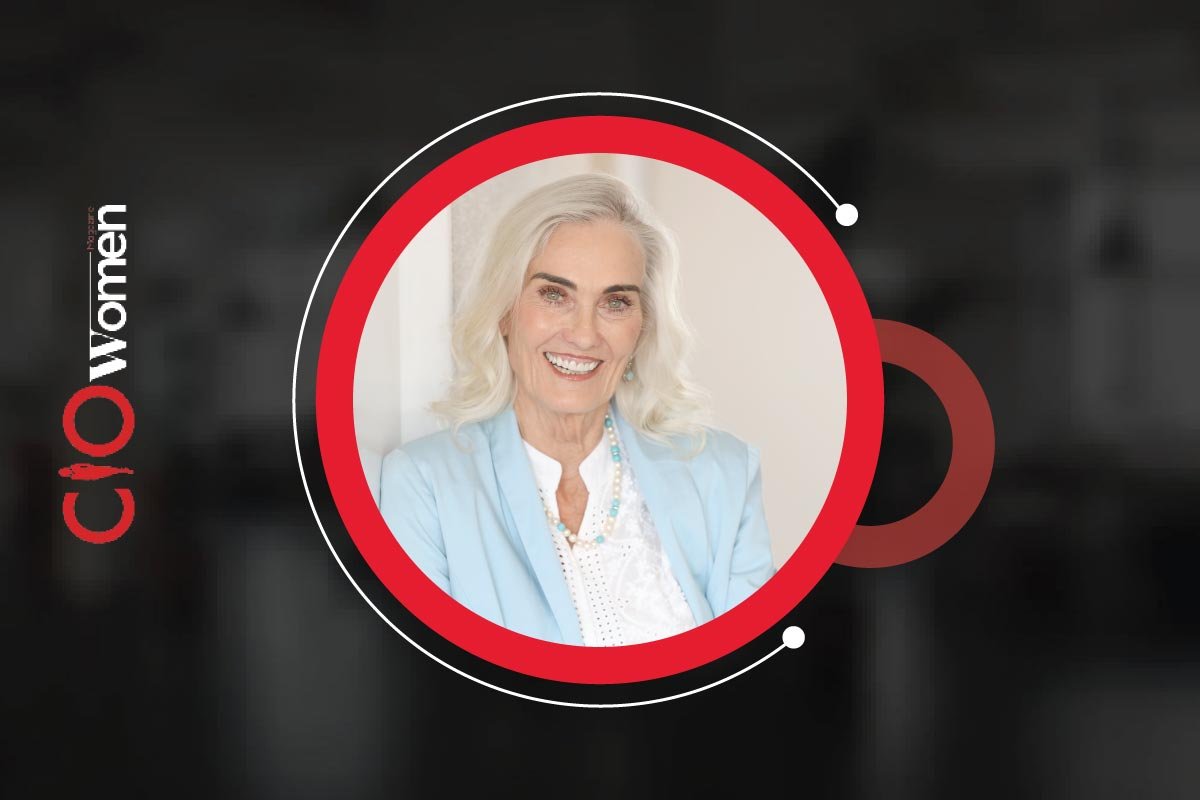
Dr. Sunny Stout-Rostron reflects this approach to leadership well. As a Transformational Leadership Coach and the person behind People Quotient (Pty) Ltd and Sunny Stout-Rostron Associates, she has spent decades helping leaders realize their potential and lead with honesty and purpose. With a solid background in executive coaching, leadership development, and organizational change, Dr. Stout-Rostron has built a strong reputation for guiding individuals and organizations toward lasting success through purpose-driven leadership and people-focused strategies.
A Journey Shaped by Curiosity, Culture and Continuous Learning
Dr. Sunny Stout-Rostron was raised in San Francisco’s West Bay, now known as Silicon Valley, during a time defined by music, civil rights activism, and protests against the wars in Vietnam and Cambodia. As a teenager, she developed a deep interest in philosophy and psychology, drawn to understanding what drives people toward good or harm. This curiosity extended to politics, economics, and human behaviour, sparking a lasting desire to explore cultures beyond her own.
After her first year of university, she travelled through Spain and France with a teacher and a group of teenage girls, mentoring them and helping organise cultural experiences, an early taste of the wider world. Once she completed her first degree, she travelled through the UK, Europe, and northern Africa, later living and working in Salisbury, England. These years of studying and living across cultures proved formative.
Even as a teenager and university student, she naturally gravitated toward roles as a leader, mentor, and counsellor, at a time when coaching was still largely associated with sport. She found fulfilment in helping people build confidence and recognise their own potential, seeing her role not as an expert but as someone who created space for others to grow.
The first two decades of her career were spent in senior leadership and management positions across television, hospitality, feminine hygiene, and newspaper publishing in the USA, Europe, and the UK. Across every sector, she recognised a clear need for stronger leadership and management development.
Committed to lifelong learning, she pursued a master’s degree and later a professional doctorate in executive coaching grounded in cognitive behavioural psychology. One early lesson stayed with her: organisations often talk about values without truly living them, and that all behaviour is rooted in values which shape how people are experienced by others.
Values That Shaped a Life of Leadership
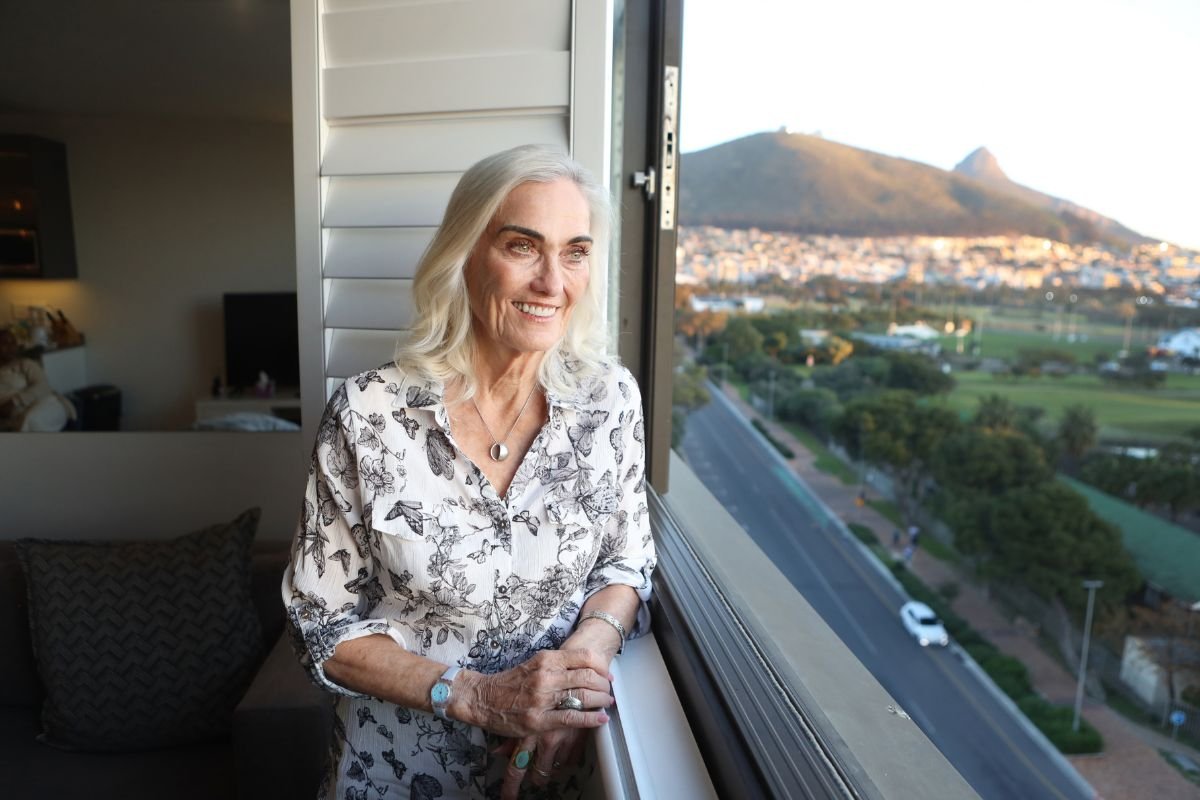
Dr. Stout-Rostron’s underlying values have guided her throughout her life. The first came from her mother, who taught her the importance of giving back to one’s communities, whether family, faith, school, or workplace. Her mother was a powerful role model, and as a teenager, Dr. Stout-Rostron often found herself in trouble for making her Sunday School classes too lively, using music and plays to help children learn, the same spirit that carries through into her workshops today.
A second value was generosity, instilled by watching her mother cook, care for, and quietly support relatives and neighbours who were struggling. A third was forgiveness and open-heartedness, choosing inclusion over exclusion and refusing to waste energy on jealousy. A fourth was leadership itself, absorbed by watching her mother lead in church, school, and community life, often drawing her in and helping her find her own public voice.
Her work with Nancy Kline and the Thinking Environment™ has also left a lasting mark. Over 22 years, this collaboration and her role as a senior faculty member with Time to Think, Inc. have shaped her practice, making her more consciously ethical in how she lives and works, and extending that influence into coaching, teaching, and consulting.
As she puts it, “Perhaps the most important value is to value difference.” The world is made extraordinary by its many countries, peoples, languages, and cultures, and even within a single workplace, it matters to understand another person’s traditions. “If more people could see difference as something special rather than frightening, our workplaces and societies would be far healthier.”
A Purpose Rooted in Growth and Possibility
Dr. Stout-Rostron’s purpose has always been to help others become the best version of themselves, encouraging growth that is not held back by society’s expectations or limitations. From a young age, she encouraged friends, colleagues, and family members to push beyond their comfort zones and take on challenging, sometimes risky steps that could prove transformative. Her hunger for knowledge of the wider world, combined with the diversity of the San Francisco Bay Area, shaped her curiosity and her respect for difference from the very beginning.
Building a Professional Home for Coaching in South Africa
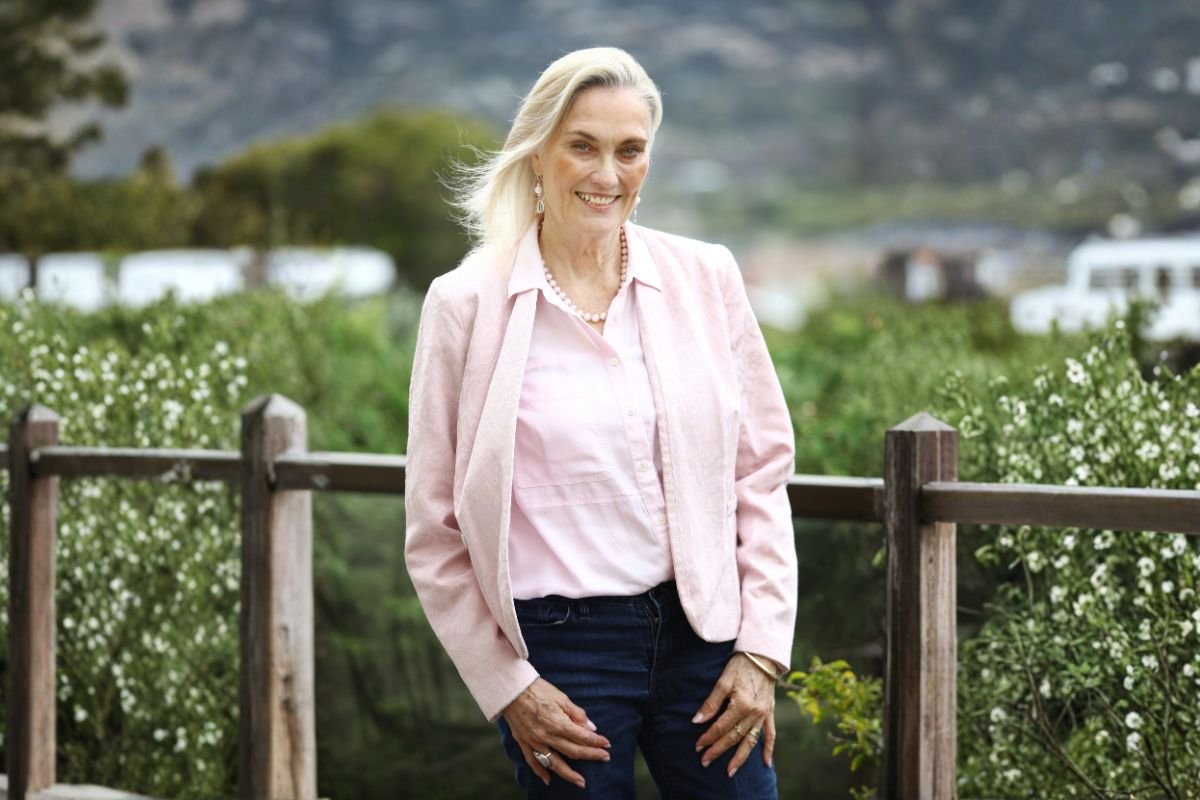
One of Dr. Stout-Rostron’s most meaningful accomplishments was helping to found COMENSA, the professional body for coaches and mentors in South Africa. At the time, the country needed a professional body with a constitution, ethical codes, coaching programmes, supervision standards, and links to professional bodies elsewhere. Encouraged by her mentor, Professor David Lane, she set out to address this gap, guided by the insight that nobody builds something meaningful alone and that collaboration is essential.
The process itself became a defining part of the achievement. She wanted every voice to be heard, and the association was built from those voices, applying a coaching approach to the very act of building an organisation. Beginning in 2002, the work took four years and drew on generous contributions from coaches, consultants, psychologists, academics, and students across the country before COMENSA was formally launched in 2006. The organisation has continued to this day, recently celebrating its 20th anniversary, with growing conversations about extending coaching further into Africa.
As she reflects, “It remains one of the accomplishments of which I am most proud, because it created a professional home for coaching and mentoring in South Africa.”
Passing It Forward: A Commitment to Mentoring and Teaching
Dr. Sunny Stout-Rostron believes strongly in giving back to her profession, and she does so through teaching, mentoring, consulting, writing, research, and speaking. She teaches for two reasons: to train and develop new coaches and mentors, and to work with educational and business leaders enrolled in certificate, master’s, and doctoral programmes.
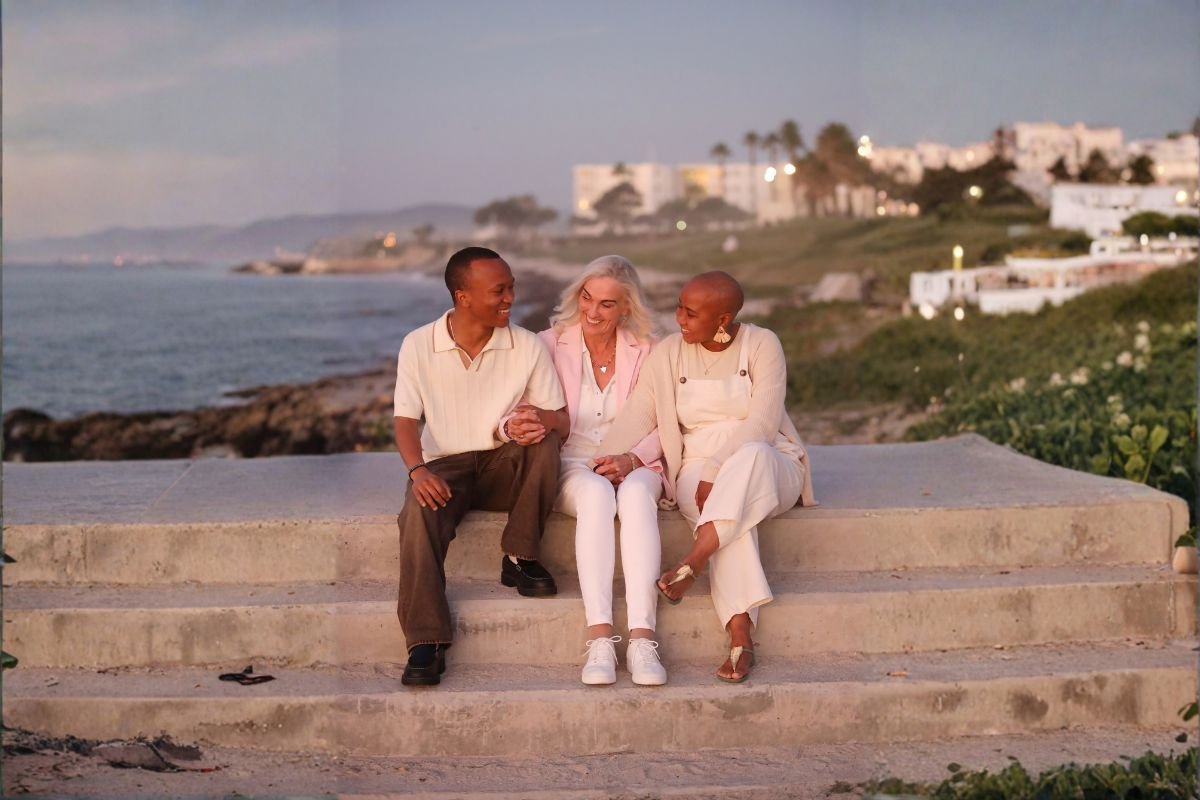
She holds firmly to the idea that every leader, coach, teacher, or professional needs many mentors over a lifetime, and that each of us carries a responsibility to mentor others in turn. Every year, she mentors three people who come to her, most of them women, and finds that the exchange is mutual, with both mentor and mentee learning from one another. One young professional woman she mentored for around 15 years has since reached the top level of her profession, an outcome she describes as wonderful to witness.
Over the last 30 years, she has helped found, design and continues to contribute to professional coaching programmes at university level. Since the early years of the discipline in the 1990s, she has coached and taught others how to coach, even as she continued learning herself. She is also one of the Founding Fellows of the Institute of Coaching at Harvard McLean Hospital.
Where Practice Meets Insight
For Dr. Sunny Stout-Rostron, academic rigour, practical leadership experience, and growing business realities are not separate strands but elements that continually inform one another. Her research, consulting, coaching, lecturing, and writing all sit within the same field of practice, and her advice to leaders, practitioners, coaches, and educators is to treat their own practice as the living ground from which research, insight, and ideas can grow.
All of her work emerges from consulting, mediating, and coaching with students, leaders, and managers. Working closely with leaders reveals a great deal about what they do not yet know and what they need to understand, and this understanding shapes how she coaches them through those gaps, helps them identify developmental programmes, and supports them as they return to lead and manage differently.
One of her key learnings, dating back to when she first began university research at 18, was the importance of writing things down: recording what she did, what she learned, and what she thought and felt. She continues this practice today, making notes after coaching sessions, teaching sessions, and workshops, sometimes as a mind map, sometimes as bullet points, and sometimes as a voice recording. What she never does is use her clients’ thinking in her own work, since coaching conversations remain entirely confidential, without exception.
Toward a More Human Centred Future for Leadership
Dr. Sunny Stout-Rostron believes the most significant emerging trend in leadership today is a global shift toward a more humane style of leadership within institutions and organisations. Leadership is increasingly measured not only by performance metrics but by emotional maturity, resilience, and the ability to inspire meaningful change.
Looking ahead, she believes leaders must focus deeply on emotional intelligence as a critical part of their development, since business effectiveness cannot be separated from emotional awareness. Without it, leaders will struggle to navigate organisational complexity, competing priorities, difficult behaviours, communication barriers, and cultural nuances.
Her writing reflects this belief in practice. She has authored books used in master’s programmes in executive coaching, leadership, management development, and team coaching, alongside numerous published research articles, all grounded in the real challenges that leaders, coaches, students, and organisations face today.
A Vision for Leadership Grounded in Humanity
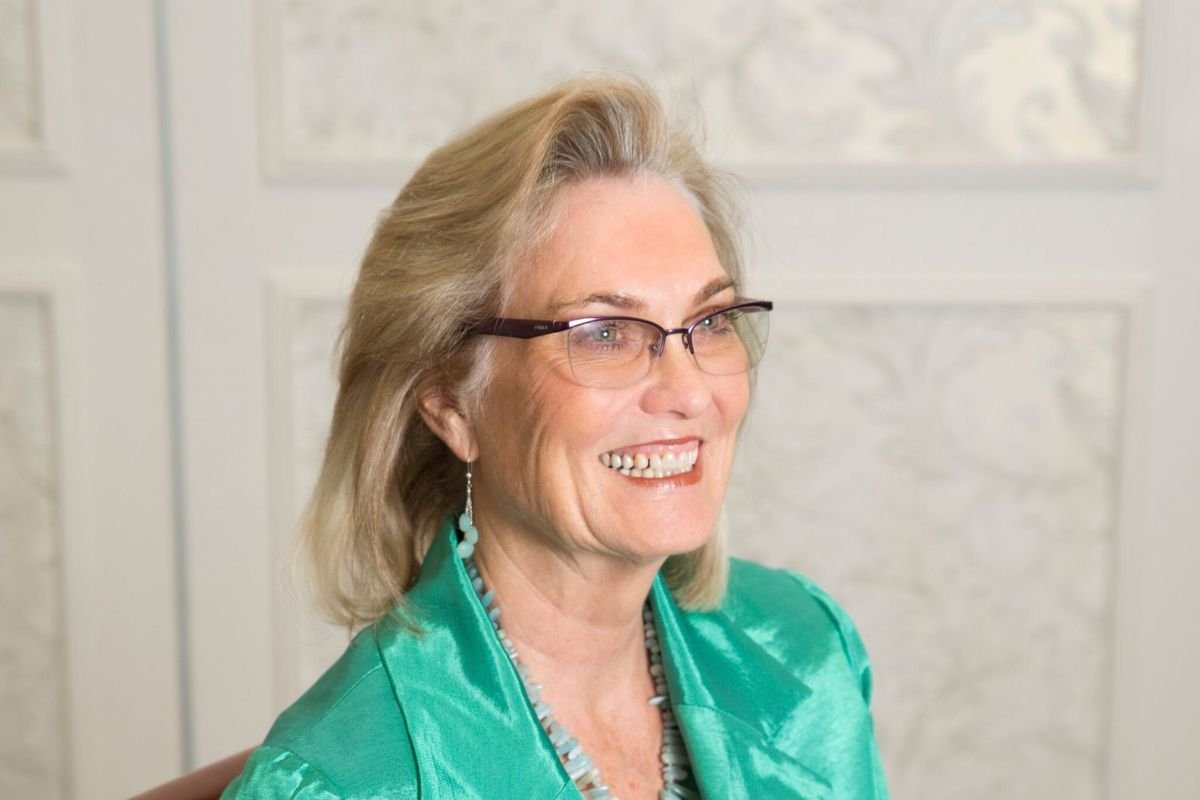
Dr. Sunny Stout-Rostron believes leadership and management development will always be needed. Her work with leader-managers centres on helping them build self-awareness, emotional intelligence, and a deeper understanding of themselves, guided by the belief that “you cannot lead and manage others if you cannot lead and manage yourself.” For her, the future of leadership development lies in understanding the relationship between emotional intelligence and organisational success, since leaders succeed when they are both humanely people-centred and focused on results, without treating these as being in conflict.
She points to two serious challenges facing leaders today: executing strategy while managing competing agendas, long hours, and constant pressure, and the erosion of family and personal life. These pressures take a real toll on health, and many of her clients neglect sleep, diet, and exercise as a result. Without protecting emotional, physical, and spiritual well-being, leaders risk exhaustion, illness, or failure.
While she sometimes despairs at the lack of humanity in the workplace, she also finds genuine encouragement in a new generation of leaders. She believes the leaders who will matter most are those who understand that organisations succeed through people, not in spite of them. “If we continue developing leaders who are intellectually capable, emotionally mature, and ethically grounded, meaningful change remains possible.”
A New Chapter of Collaboration and Growth
Dr. Sunny Stout-Rostron has recently begun a new phase in her work. Having lost her business partner two years ago, she has since started collaborating with several new partners who bring experience in transforming cultures and organisations and supporting people development. Together, they are creating organisational, cultural, and talent diagnostics that are already helping identify the key changes needed at leadership levels. She also continues to collaborate with colleagues across many countries, and this international work remains central to her ongoing contribution.
A Legacy of Encouragement and Possibility
Dr. Sunny Stout-Rostron hopes her legacy will be one of encouraging others to take the risks of possibility, to follow their dreams, to give generously of their skills and talents, and to help other people develop theirs. She hopes to inspire people to believe in their own creativity and individuality, and to offer those gifts to their families, communities, professions, and, where possible, to the wider world.
She intends to continue mentoring younger leaders, entrepreneurs, coaches, and consultants, sharing what she has learned while encouraging them to do the same for others. Research, teaching, and writing will remain a mainstay of her professional life.
Dr. Sunny Stout-Rostron on Women in Leadership
1. What does being a visionary woman leader mean to you in today’s rapidly changing world?
“Being a visionary woman leader means being a role model for other women, encouraging them to follow their hearts, dreams, and sense of purpose. It also means being available to others, because often the most powerful way to inspire is simply to be present, generous, and willing to help. Women need strong role models today more than ever. Never underestimate the role you play in motivating and inspiring the women you live and work with.”
2. Have there been moments in your career when your resilience as a woman leader was tested? What lessons did those experiences teach you?
“Yes, sorely tested. In my early 30s, I was unfairly dismissed from an organisation where I was a popular leader, perceived as a threat by some colleagues simply for being one of the very few women in leadership. I won my case, but the experience taught me to keep observing the business, its social environment, and its emotional and cultural undercurrents. Such setbacks can hit your confidence hard, but failure is feedback. I had to develop a wider vision of the organisational system, collaborate more skilfully, and not take everything personally.”
3. What unique strengths do women bring to leadership, coaching, and organizational transformation?
“Successful leadership today is increasingly values-oriented, collaborative, and grounded in a coaching approach rather than authority. Women’s leadership emphasises listening, collaboration, and democratic participation. Our strengths often show up through relationship-building, ethical care, and a transformational rather than transactional approach. Women often lead as coaches or teachers, involving employees in shaping values, mentoring others, and advocating that every individual has something unique to contribute. We are often intuitive and have a wider vision of what is possible.”
4. How can today’s leaders create environments where more women can confidently step into influential leadership roles?
“There are many obstacles for women leaders, including interruptions linked to family responsibilities, educational disadvantages, and a lack of mentorship and role models. More than anything, women leaders need to encourage and advocate for other women, providing mentorship and sponsorship for those coming up through institutions. It is equally important that men continue to support women leaders at every level.”
5. What advice would you give to the next generation of women leaders who aspire to challenge conventions, drive change, and leave a lasting impact?
“Do not give up. Listen to your inner voice, follow your heart, find good mentors, and invest in your own development. Be willing to take risks to influence change and collaborate with others, both women and men. And always be generous in developing others, so that their gifts can flourish too.”