Key Takeaways:
- Melania Trump and Queen Camilla reinforced ties through culture and presence.
- Visual unity and style choices were deliberate diplomatic signals.
- Alongside Donald Trump and King Charles III, they shaped the overall narrative.
During a closely watched state visit to the United States, King Charles III and Queen Camilla were welcomed with a formal ceremony and strategic intent. While the spotlight largely remained on political engagements between Donald Trump and the British monarch, a quieter yet significant layer of diplomacy unfolded through the presence of Melania Trump and Queen Camilla.
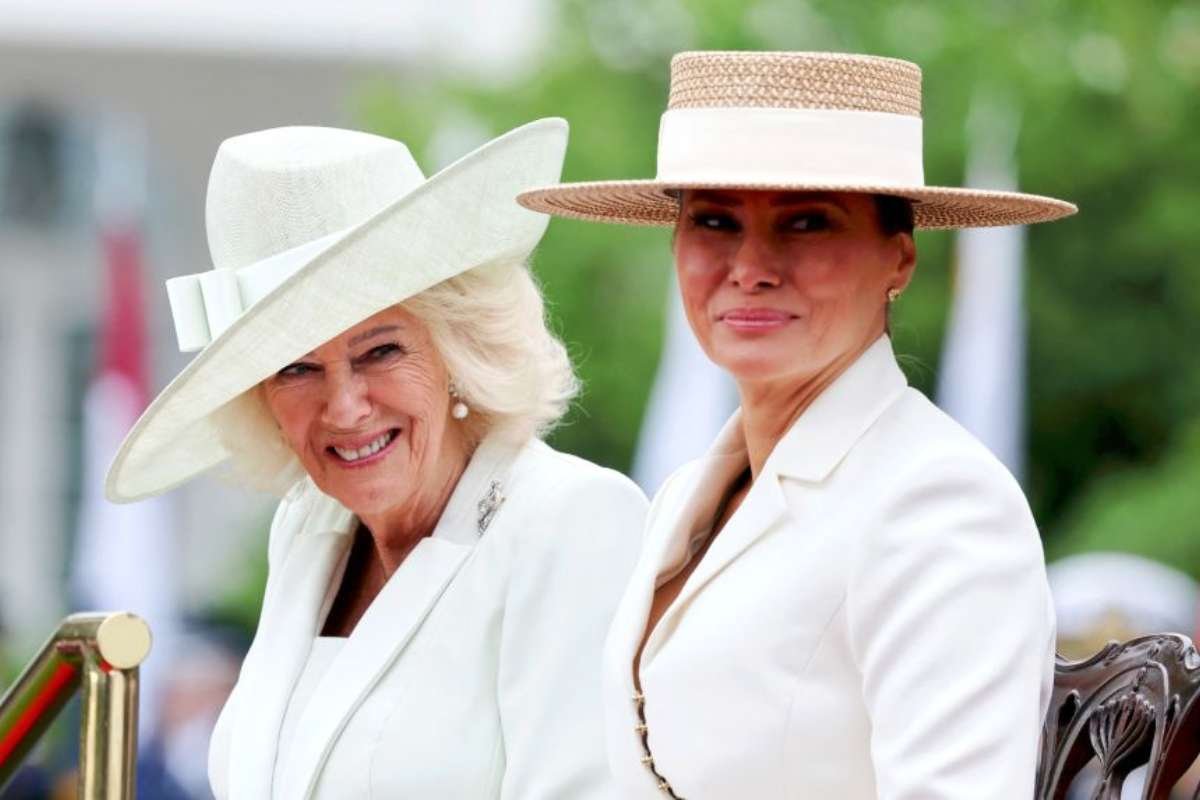
From the White House arrival to the state dinner, both women projected a carefully managed sense of unity. Their public appearances reflected deliberate coordination—measured expressions, composed interactions, and thoughtfully chosen attire that aligned visually without appearing overly scripted. These details, while subtle, carried diplomatic weight. In a global environment where even minor gestures are scrutinized, such visual harmony reinforced the message of a stable and cooperative relationship between the United States and the United Kingdom.
The timing of the visit added to its importance. Against a backdrop of nuanced policy differences and shifting global priorities, the need to project cohesion was evident. Rather than direct political messaging, the First Lady and the Queen offered a form of symbolic reassurance, embodying continuity and mutual respect. Their role highlighted how diplomacy often extends beyond official statements into the realm of perception and presentation.
Soft Power and Cultural Engagement in Action
While formal talks addressed strategic issues, Melania Trump and Queen Camilla engaged in a series of cultural and educational activities that emphasized shared values and long-standing ties. These initiatives reflected the enduring relevance of soft diplomacy, an approach that builds relationships through culture, education, and public engagement rather than policy negotiation alone.
Their joint appearances included interactions with students and participation in programs showcasing historical collaboration and innovation between the two nations. By focusing on themes such as heritage and future-oriented partnerships, both women helped frame the relationship as dynamic and evolving. These engagements also extended the reach of the visit beyond political leaders, connecting directly with younger generations and local communities.
The tone of these moments was notably relaxed. During informal tours and lighter engagements, the First Lady and the Queen were seen sharing conversations and brief moments of levity. These interactions added a human dimension to an otherwise structured visit, making the diplomatic exchange feel more accessible and relatable to the public.
Such contributions often operate quietly but carry long-term impact. Cultural diplomacy fosters goodwill that can outlast political cycles, reinforcing trust at a societal level. In this context, Melania Trump and Queen Camilla acted as cultural ambassadors, complementing the official agenda while shaping how the visit was perceived by audiences on both sides of the Atlantic.
Style, Symbolism, and Subtle Influence
One of the most visible aspects of the visit was the role of style as a communication tool. At the state dinner, Melania Trump appeared in a couture ensemble that reflected her signature precision and polished public image. In contrast, Queen Camilla opted for understated elegance, notably choosing not to wear a tiara, an intentional departure from certain royal precedents.
These choices carried symbolic meaning. Melania Trump’s fashion aligned with her established approach to public appearances, where visual messaging often complements broader narratives. Queen Camilla’s decision, meanwhile, suggested a modernized interpretation of royal tradition balancing formality with approachability.
Together, their presentation underscored a broader shift in diplomatic expression. In an era shaped by visual media and rapid global communication, appearance can function as a powerful extension of policy messaging. Without making explicit statements, both women conveyed themes of balance, respect, and adaptability.
Despite not holding formal decision-making authority, their influence was evident in the tone and perception of the visit. By maintaining a supportive yet visible presence, they reinforced the official narrative without overshadowing it. This balance highlighted the evolving nature of diplomatic roles, where influence is often exercised through nuance rather than direct intervention.
Conclusion
The state visit ultimately demonstrated that modern diplomacy operates on multiple levels. While leaders negotiate policies and strategies, figures like Melania Trump and Queen Camilla shape the atmosphere in which those discussions occur. Through carefully managed appearances, cultural engagement, and symbolic gestures, they contributed to a broader narrative of unity and cooperation.
Their role serves as a reminder that diplomacy is not solely defined by formal agreements, but also by the subtle art of connection, perception, and presence.