
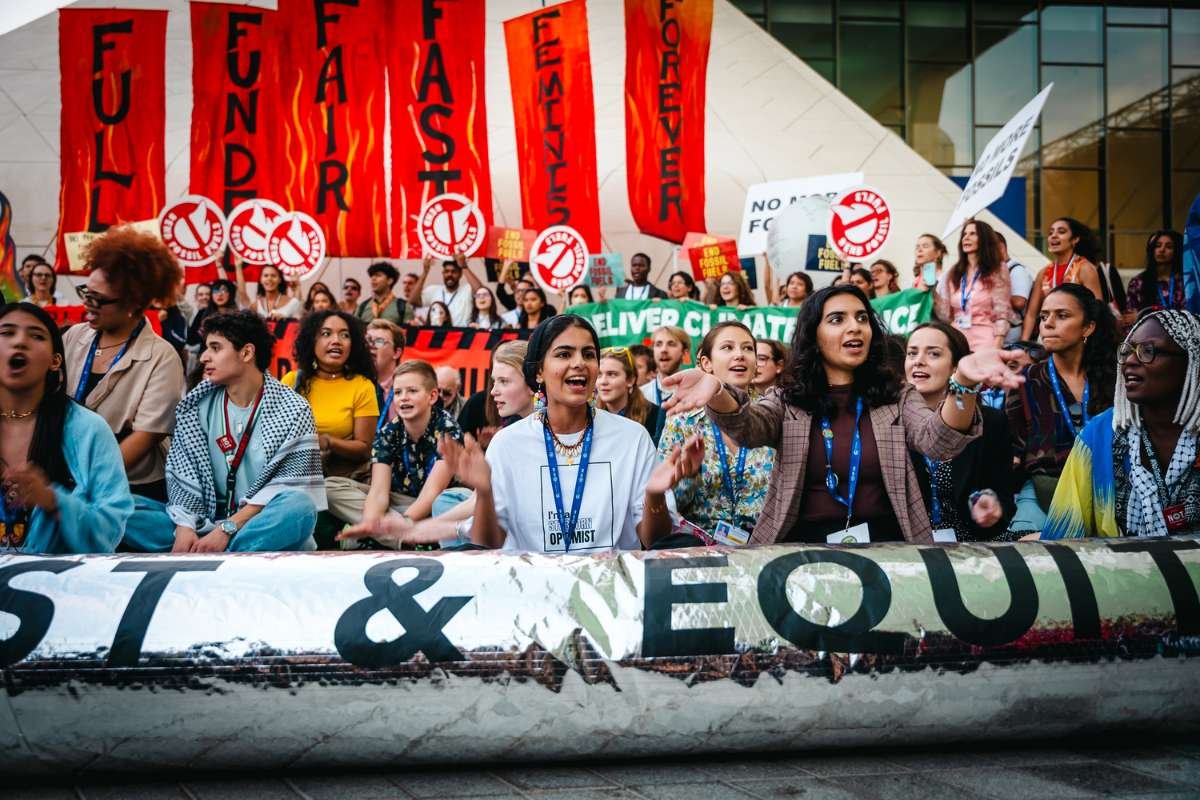
Women in climate policy and environmental advocacy are playing a growing role in shaping climate regulations, sustainability strategies, and environmental decision-making. From government agencies and international organizations to NGOs, research institutions, and corporate sustainability teams, women are influencing policies that address climate change, resilience, and sustainable development. This guide explores career opportunities, essential skills, education pathways, and the challenges women face while building impactful careers in climate policy and environmental advocacy.
Climate change is reshaping economies, public policy, and business strategy, creating a growing demand for professionals who can develop climate regulations and drive environmental action. Women in climate policy and environmental advocacy are playing an increasingly important role in this transformation by influencing climate governance, shaping environmental regulations, and supporting more inclusive sustainability initiatives. As governments strengthen their net-zero commitments and sustainability goals, the demand for professionals with expertise in climate policy continues to grow across the public, private, and non-profit sectors.
Women are playing an increasingly influential role in this transformation. According to UN Women, more than 75% of updated national climate plans (NDCs) recognize the gendered impacts of climate change, yet fewer than one-third fully integrate gender equality into climate policies, highlighting the need for greater representation of more inclusive leadership.
Unlike traditional sustainability roles, women in climate policy help shape the laws, regulations, and strategies that guide climate action. Whether working in government, international organizations, NGOs, or research institutions, they are influencing environmental governance and creating long-term systemic change.
This guide explores career opportunities, essential skills, and how women in climate policy and environmental advocacy are shaping climate regulation through leadership, research, and advocacy.
What is climate policy and environmental advocacy?
Climate policy and environmental advocacy work together to address climate change. Climate policy focuses on creating laws, regulations, and strategies for issues such as emissions reduction, renewable energy, climate adaptation, biodiversity conservation, and environmental justice. Governments develop these policies in collaboration with scientists, businesses, and civil society. Increasingly, these policies also encourage circular economy business models that reduce waste, improve resource efficiency, and support long-term environmental sustainability.
Environmental advocacy supports this process by promoting scientific evidence, raising public awareness, engaging stakeholders, and recommending policy solutions. Together, climate policy and environmental advocacy strengthen climate governance and help build practical, inclusive, and sustainable solutions to environmental challenges. As a result, women in climate policy and environmental advocacy are helping ensure environmental policies are more equitable, evidence-based, and effective.
| Climate Policy | Environmental Advocacy |
| Develops laws, regulations, and climate strategies | Influences policies through research, awareness, and public engagement |
| Primarily led by governments and public institutions | Led by NGOs, research organizations, and community groups |
| Focuses on governance, implementation, and compliance | Focuses on accountability, education, and stakeholder participation |
| Operates at national and international levels | Operates from local communities to global campaigns |
Although their approaches differ, both fields share the same objective of driving meaningful environmental action. This growing need for interdisciplinary collaboration has also created more opportunities for women in climate policy and environmental advocacy to contribute to climate governance through policymaking, research, diplomacy, advocacy, and leadership.
Why more women are entering climate policy and environmental advocacy
- Climate action now goes beyond environmental protection, intersecting with public policy, economics, social equity, and international development.
- Organizations increasingly seek professionals with expertise in policy analysis, stakeholder engagement, collaborative leadership, and technical knowledge.
- Women in climate policy and environmental advocacy are playing a growing role in climate negotiations, environmental research, public policy, and community-led climate initiatives.
- Their contributions are driving more inclusive and equitable solutions in climate resilience, environmental justice, and sustainable development.
- The World Economic Forum’s Future of Jobs Report 2025 identifies environmental stewardship as one of the fastest-growing job sectors through 2030, fueled by the clean energy transition, climate adaptation, and stronger sustainability regulations.
Career opportunities for women in climate policy and environmental advocacy
The transition to a low-carbon economy is creating opportunities far beyond traditional environmental roles. Governments are introducing stricter climate regulations, businesses are aligning with evolving sustainability standards, and international organizations are investing heavily in climate resilience and adaptation. As a result, professionals with expertise in climate policy, governance, and environmental advocacy are in demand across sectors.
Climate policy is one of many career pathways emerging within the sustainability economy. If you’re comparing different career options, explore our guide to green jobs and sustainability roles for a broader overview of opportunities across industries.
For women in climate policy and environmental advocacy, this means there are multiple pathways to build a career that combines environmental impact with policy, research, law, economics, and public engagement.
1. Government and public sector
Governments play a central role in developing and implementing climate policies. Professionals in this sector help draft legislation, advise policymakers, develop national climate strategies, and oversee environmental regulations.
Common roles include:
- Climate Policy Analyst
- Environmental Policy Advisor
- Sustainability Officer
- Climate Adaptation Specialist
- Environmental Planner
These professionals typically work with ministries of environment, climate commissions, urban development agencies, or state environmental departments.
2. International organizations
International organizations help countries implement global climate agreements, finance sustainability projects, and develop climate adaptation strategies. They also provide technical expertise, research, and policy guidance to governments worldwide, creating significant opportunities for women in climate policy and environmental advocacy.
Career opportunities are available in organizations such as the United Nations Environment Programme (UNEP), United Nations Development Programme (UNDP), the World Bank, and the Organisation for Economic Co-operation and Development (OECD).
Typical roles include:
- Climate Programme Officer
- Policy and Research Specialist
- Climate Finance Advisor
- Sustainable Development Consultant
- International Climate Negotiation Advisor
Professionals interested in funding climate action and sustainable development may also want to explore green finance careers for women, where climate policy knowledge is combined with sustainable investment and climate finance expertise.
3. Environmental NGOs and advocacy organizations
Non-governmental organizations (NGOs) play a vital role in influencing climate policy through research, public campaigns, community engagement, and evidence-based advocacy. They often work closely with governments, businesses, and local communities to promote stronger environmental policies.
Common career paths include:
- Environmental Advocacy Manager
- Campaign Strategist
- Climate Communications Specialist
- Policy Research Associate
- Community Engagement Officer
These roles are ideal for professionals interested in combining policy with public outreach and environmental activism. Many women in climate policy and environmental advocacy build impactful careers in NGOs by influencing policy while working directly with communities.
4. Corporate public policy and sustainability

As environmental regulations continue to evolve, businesses are expanding their public policy and sustainability teams to stay compliant and contribute to climate goals. Professionals in these roles engage with policymakers, monitor regulatory developments, and help organizations align with emerging climate frameworks.
These policy functions often support wider organizational goals by contributing to a broader sustainability strategy for your company, helping organizations align climate commitments with long-term business objectives.
Typical positions include:
- ESG Policy Manager
- Government Affairs Specialist
- Sustainability Strategy Consultant
- Climate Risk Analyst
- Corporate Sustainability Manager
These roles bridge the gap between business strategy and public policy, ensuring organizations can adapt to changing environmental regulations. This shift is also influencing how organizations embed sustainability into business decisions, with many examples showing how women-led businesses approach sustainability differently by aligning environmental goals with innovation, governance, and long-term growth. They also work closely with teams responsible for corporate sustainability reporting, translating climate regulations into measurable disclosures and compliance practices. As organizations prioritize ESG and climate governance, demand for women in climate policy and environmental advocacy continues to grow.
4. Research institutions and think tanks
Research organizations and policy think tanks provide the evidence that informs climate legislation and international negotiations. Their work supports governments, businesses, and civil society by analyzing environmental trends, evaluating policies, and developing recommendations for future climate action. These institutions also provide valuable opportunities for women in climate policy and environmental advocacy to influence decision-making through evidence-based research.
Common roles include:
- Climate Research Analyst
- Environmental Economist
- Public Policy Researcher
- Carbon Market Analyst
- Climate Governance Consultant
These positions are well suited for professionals with strong analytical, research, or economics backgrounds who want to influence climate policy through evidence-based decision-making.
Career path comparison
| Sector | Primary Focus | Typical Roles |
| Government | Climate regulation and public policy | Policy Analyst, Environmental Advisor |
| International Organizations | Global climate programmes and sustainable development | Programme Officer, Climate Finance Advisor |
| NGOs | Advocacy, research, and community engagement | Advocacy Manager, Campaign Strategist |
| Corporate Sector | ESG, regulatory compliance, and government relations | ESG Policy Manager, Sustainability Consultant |
| Research & Think Tanks | Climate research and policy analysis | Climate Researcher, Environmental Economist |
The diversity of these career paths means that women in climate policy and environmental advocacy can contribute to climate action in different ways, whether by drafting legislation, advising governments, conducting research, influencing public opinion, or helping businesses navigate the transition to a more sustainable economy. The key is building the right combination of policy knowledge, analytical skills, and stakeholder engagement expertise, which we’ll explore in the next section.
Skills needed to build a career in climate policy and environmental advocacy
A successful career in climate policy requires more than a passion for sustainability. Professionals in this field must understand how environmental science, public policy, economics, and stakeholder interests intersect to create practical and effective climate solutions.
Since climate policies affect governments, businesses, communities, and international organizations, employers increasingly value professionals who can combine technical knowledge with strong analytical and communication skills. These competencies enable women in climate policy and environmental advocacy to develop policies that are both practical and inclusive.
Here are some of the most important skills for building a career in climate policy and environmental advocacy:
1. Policy analysis and research
Climate professionals are expected to evaluate existing policies, assess environmental impacts, and recommend evidence-based solutions. Strong research skills help professionals interpret scientific reports, analyze regulations, and contribute to informed policymaking.
2. Understanding of climate science
A foundational understanding of climate science is essential for developing effective policies. Professionals should be familiar with topics such as greenhouse gas emissions, renewable energy, climate adaptation, biodiversity, and carbon markets, even if they do not come from a scientific background.
3. Environmental law and governance
Knowledge of environmental legislation and regulatory frameworks enables professionals to understand how climate policies are developed, implemented, and enforced. This expertise is particularly valuable for women in climate policy and environmental advocacy pursuing careers in government, public policy, legal advocacy, or international climate governance.
4. Data analysis and evidence-based decision-making
Climate policy relies heavily on data. Professionals often work with emissions inventories, climate risk assessments, environmental impact reports, and sustainability metrics to evaluate policy effectiveness and support decision-making. Understanding sustainability KPIs is equally important, as organizations increasingly rely on standardized metrics to measure climate performance and demonstrate progress toward sustainability goals.
5. Communication and stakeholder engagement
Developing climate policy requires collaboration between governments, businesses, researchers, communities, and non-profit organizations. The ability to communicate complex environmental issues clearly and engage diverse stakeholders is critical to building consensus and driving meaningful change.
Essential skills at a glance
| Skill | Why It Matters |
| Policy Analysis | Develops evidence-based climate policies and recommendations |
| Climate Science | Builds a strong understanding of environmental challenges and solutions |
| Environmental Law | Supports policy development and regulatory compliance |
| Data Analysis | Measures environmental impact and informs decision-making |
| Communication | Explains complex issues and engages stakeholders effectively |
As climate policy becomes more interdisciplinary, professionals who combine these skills with a strong understanding of sustainability and governance will be well positioned for leadership roles. With growing investment in climate resilience and environmental governance worldwide, women in climate policy and environmental advocacy who build expertise in policy, research, and stakeholder engagement will be well prepared to shape future climate solutions.
Education and certifications that can help

There is no single educational pathway into climate policy and environmental advocacy. Professionals in this field come from diverse academic backgrounds, including environmental science, public policy, economics, law, engineering, and international relations. What matters most is developing an understanding of climate governance, sustainability, and how environmental decisions influence society and the economy.
1. Relevant degree programs
A bachelor’s or master’s degree in one of the following disciplines can provide a strong foundation:
- Environmental Science
- Environmental Policy
- Public Policy or Public Administration
- Political Science
- International Relations
- Environmental Law
- Economics
- Geography or Urban Planning
- Sustainability Studies
These programs help develop analytical, research, and policy skills while building an understanding of environmental regulations and global climate governance. This interdisciplinary foundation prepares women in climate policy and environmental advocacy for careers across government, international organizations, research institutions, NGOs, and the private sector.
2. Professional certifications
Alongside formal education, professional certifications can strengthen your expertise and demonstrate specialized knowledge to employers. They are particularly valuable for professionals transitioning from other industries or looking to advance into leadership roles. If you’re evaluating which credentials best match your career goals, our guide to sustainability certifications compares widely recognized certifications across ESG, climate, and sustainability.
Some of the most recognized certifications include:
- Sustainability and ESG certifications
- Climate Risk and Climate Finance certifications
- Carbon Accounting and Greenhouse Gas (GHG) Management
- Environmental Impact Assessment (EIA)
- Sustainable Development and Circular Economy programs
These credentials help professionals stay current with evolving climate regulations, reporting standards, and sustainability practices.
3. Practical experience matters just as much
Academic qualifications alone are rarely enough for a successful career in climate policy. Employers also value hands-on experience gained through internships, research projects, policy fellowships, volunteer work, or participation in environmental organizations. Practical experience helps women in climate policy and environmental advocacy apply policy knowledge to real-world environmental challenges.
Students and early-career professionals can strengthen their profiles by:
- Interning with government agencies or environmental NGOs
- Assisting in climate or sustainability research projects
- Participating in Model UN or climate policy competitions
- Attending climate conferences and policy workshops
- Publishing research or policy briefs on environmental issues
These experiences not only build practical skills but also help develop professional networks within the sustainability and policy ecosystem.
Education roadmap for aspiring climate policy professionals
| Career Stage | Recommended Focus |
| Undergraduate | Build a foundation in environmental science, public policy, law, or economics |
| Early Career | Gain internships, research experience, and volunteer with environmental organizations |
| Professional Development | Pursue certifications in ESG, climate finance, carbon accounting, or sustainability |
| Mid-Career | Develop expertise in climate governance, leadership, and international policy. |
Building a career in climate policy is a continuous learning process. As climate regulations, international agreements, and sustainability standards continue to evolve, professionals who invest in lifelong learning and practical experience will be best positioned to influence environmental decision-making.
Who is shaping climate regulation? Profiles and pathways
Climate regulation is rarely shaped by a single individual or institution. Instead, it is the result of collaboration between governments, scientists, international organizations, businesses, researchers, and environmental advocates. Together, these stakeholders influence the policies, regulations, and agreements that guide global climate action.
For women in climate policy and environmental advocacy, understanding these pathways can help identify where they can make the greatest impact while building rewarding careers across multiple sectors.
1. Government leaders and policymakers
National governments are responsible for developing climate legislation, setting emissions reduction targets, and implementing environmental policies. Climate ministers, policymakers, and regulatory agencies work closely with scientists, economists, and industry experts to create frameworks that balance environmental priorities with economic growth.
Professionals in these roles contribute by drafting legislation, evaluating policy outcomes, and advising governments on climate strategies.
2. International organizations
Global climate challenges require international cooperation. Organizations such as the United Nations Environment Programme (UNEP), United Nations Development Programme (UNDP), and the United Nations Framework Convention on Climate Change (UNFCCC) support countries by providing policy guidance, technical expertise, funding, and platforms for international negotiations.
Women working within these organizations help shape global climate agendas, coordinate multinational initiatives, and support countries in implementing international climate commitments. These institutions also provide some of the strongest career pathways for women in climate policy and environmental advocacy interested in international cooperation and sustainable development.
3. Scientists and policy researchers
Scientific research forms the foundation of effective climate policy. Researchers analyze climate data, evaluate environmental risks, and assess the potential impact of different policy interventions. Their findings provide governments and international organizations with the evidence needed to make informed decisions.
This pathway is ideal for professionals who want to influence policy through research, data analysis, and evidence-based recommendations.
4. Environmental advocates and civil society organizations
Environmental organizations play a critical role in ensuring that climate policies reflect scientific evidence, community needs, and environmental priorities. Through public awareness campaigns, policy research, stakeholder consultations, and community engagement, advocacy groups help shape national and international climate discussions.
Women in these roles often work at the intersection of policy, communications, and grassroots action, helping translate environmental challenges into practical policy solutions.
5. Business and industry leaders
Businesses are becoming increasingly influential in climate regulation. Many organizations now work closely with governments to develop industry standards, support net-zero initiatives, and improve sustainability reporting. Public policy teams, sustainability leaders, and ESG professionals help organizations respond to evolving regulations while contributing to broader climate goals.
This growing collaboration between the public and private sectors has created new opportunities for professionals who understand both environmental policy and business strategy. Increasingly, women in climate policy and environmental advocacy are helping organizations align corporate sustainability goals with evolving environmental regulations and public policy.
As climate governance continues to evolve, women have growing opportunities to shape the future of environmental regulation through evidence-based research, collaborative leadership, and informed policymaking.
Major global organizations driving climate policy
Many of the world’s most influential climate policies are developed, supported, or implemented through international organizations. These institutions work with governments, businesses, researchers, and civil society to address challenges such as climate adaptation, biodiversity conservation, clean energy, and sustainable development.
For women pursuing careers in climate policy and environmental advocacy, these organizations offer opportunities to contribute to global environmental initiatives through research, policymaking, programme management, climate finance, and international negotiations.
| Organization | Primary Focus | Career Opportunities |
| United Nations Environment Programme (UNEP) | Environmental governance, climate action, biodiversity, and pollution | Climate Policy Advisor, Programme Officer, Environmental Specialist |
| United Nations Development Programme (UNDP) | Sustainable development, climate resilience, and adaptation | Climate Programme Manager, Policy Specialist, Development Advisor |
| United Nations Framework Convention on Climate Change (UNFCCC) | International climate negotiations and implementation of the Paris Agreement | Climate Negotiator, Policy Analyst, Programme Coordinator |
| World Bank | Climate finance, sustainable infrastructure, and resilience projects | Environmental Economist, Climate Finance Specialist, Sustainability Consultant |
| World Resources Institute (WRI) | Climate research, energy transition, and sustainable cities | Research Analyst, Climate Policy Associate, Urban Sustainability Specialist |
| International Union for Conservation of Nature (IUCN) | Biodiversity conservation and nature-based solutions | Conservation Policy Advisor, Programme Manager, Environmental Researcher |
| WWF | Wildlife conservation, climate advocacy, and sustainable development | Campaign Manager, Policy Officer, Environmental Communications Specialist |
| Climate Action Network (CAN) | Global climate advocacy and policy collaboration | Advocacy Officer, Policy Researcher, Campaign Coordinator |
These organizations recruit professionals from diverse academic backgrounds, including public policy, environmental science, economics, law, engineering, international relations, and communications. Beyond technical expertise, employers value skills in policy analysis, stakeholder engagement, research, project management, and cross-cultural collaboration.
Whether your interest lies in influencing international climate negotiations, developing evidence-based policies, or supporting climate adaptation projects, these institutions provide opportunities to contribute to environmental decision-making on a global scale.
As climate governance becomes increasingly interconnected, experience within these organizations can also open pathways to leadership roles across governments, multilateral institutions, research organizations, and the private sector.
Challenges women continue to face in climate policy and environmental advocacy
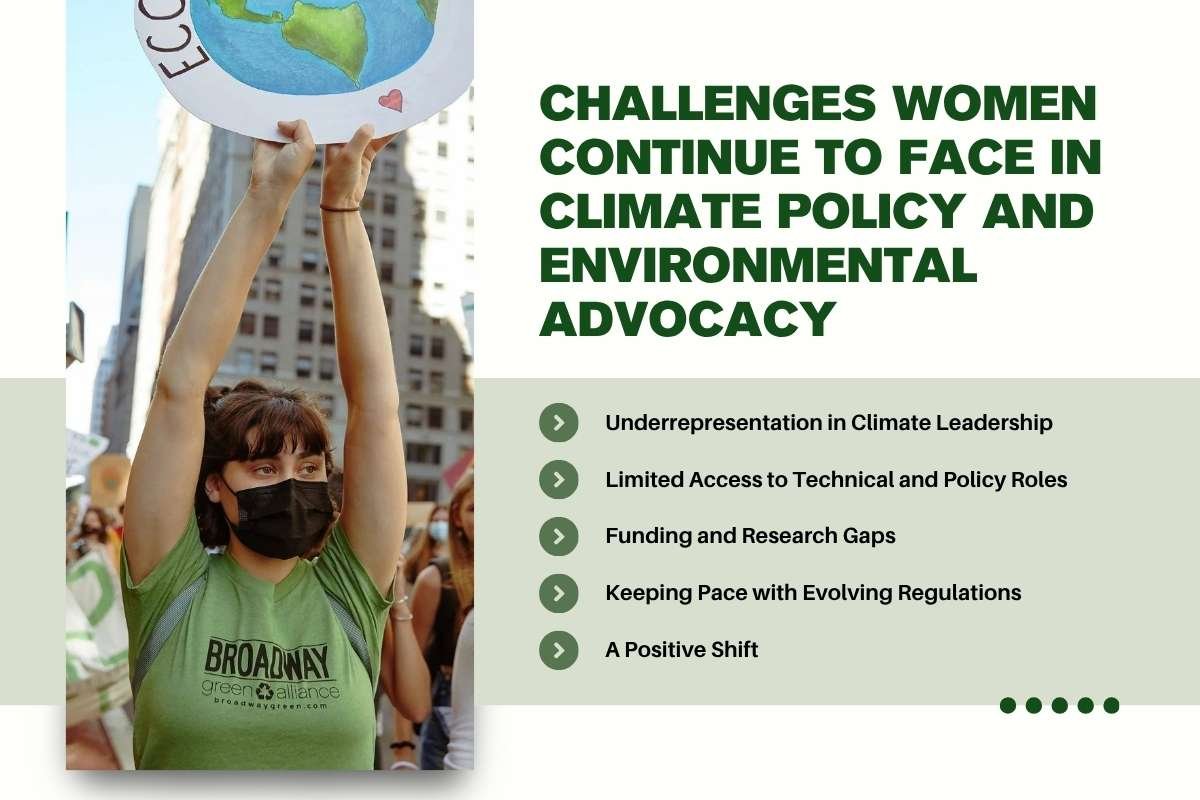
As climate careers continue to grow, women are making significant contributions across policy, research, and advocacy. However, they remain underrepresented in many leadership and decision-making roles, limiting diverse representation in climate governance.
1. Underrepresentation in climate leadership
Women continue to be underrepresented in senior climate policymaking. According to UN Women, they represented only 24% of heads of national delegations at COP29, highlighting the need for greater gender balance in global climate negotiations.
2. Limited access to technical and policy roles
Climate policy intersects with fields such as energy, engineering, and environmental science, where women remain underrepresented. The International Energy Agency (IEA) reports that women account for just 32% of the global clean energy workforce, indicating that increasing women’s participation remains a priority as the sector expands.
3. Funding and research gaps
Women-led climate initiatives and early-career researchers often face greater challenges in securing funding and leadership opportunities. According to Project Drawdown, women-led climate solutions remain underrepresented in investment and innovation funding, limiting their ability to scale impactful projects.
4. Keeping pace with evolving regulations
Climate policies, sustainability reporting standards, and environmental regulations continue to evolve rapidly. Professionals must continuously update their knowledge of areas such as climate finance, carbon markets, biodiversity policy, and ESG reporting to remain competitive.
5. A positive shift
Despite these challenges, momentum is building. According to UN Women, more than 75% of updated Nationally Determined Contributions (NDCs) now recognize the gender-specific impacts of climate change, reflecting growing global efforts to integrate gender considerations into climate policymaking. As governments and organizations invest in inclusive leadership and climate education, women have increasing opportunities to shape the future of environmental governance.
How women can build a career in climate policy and environmental advocacy?
Building a career in climate policy and environmental advocacy requires a combination of technical knowledge, practical experience, and continuous learning. Whether you’re a student, a sustainability professional looking to transition into policy, or someone passionate about environmental governance, taking a structured approach can help you stand out in this rapidly evolving field.
1. Build a strong foundation in climate and public policy
Start by developing a solid understanding of climate science, environmental governance, and public policy. Familiarity with topics such as climate adaptation, renewable energy, biodiversity, carbon markets, and international climate agreements will help you understand how environmental decisions are made and implemented.
2. Gain practical experience
Employers value candidates who can apply their knowledge in real-world settings. Look for internships, fellowships, or volunteer opportunities with government agencies, environmental NGOs, research institutions, or international organizations. Participating in policy research, sustainability projects, or community initiatives can also strengthen your profile.
3. Develop in-demand skills
Successful climate policy professionals combine analytical thinking with strong communication and collaboration skills. Focus on building expertise in policy analysis, stakeholder engagement, research, data interpretation, negotiation, and strategic problem-solving to prepare for a wide range of roles.
4. Expand your professional network
Networking plays an important role in building a career in climate policy. Joining sustainability associations, attending climate conferences, participating in policy forums, and connecting with professionals in the field can provide valuable learning opportunities and open doors to new career paths.
5. Stay informed about emerging climate policies
Climate policy is constantly evolving as governments introduce new regulations, climate targets, and sustainability frameworks. Following developments in national policies, international climate negotiations, and environmental reporting standards will help you stay ahead of industry trends and make informed career decisions.
There is no single path into climate policy and environmental advocacy. Professionals enter the field through public policy, law, science, economics, engineering, communications, and sustainability. What they have in common is a commitment to creating evidence-based solutions that support both people and the planet.
As governments, businesses, and international organizations continue to prioritize climate action, women with the right skills, experience, and interdisciplinary knowledge will be well positioned to influence the policies that shape a more sustainable future.
The future of women in climate policy and environmental advocacy
As governments, businesses, and international organizations accelerate climate action, the demand for professionals who can shape environmental policy will continue to grow. Climate policy is no longer limited to environmental ministries; it now influences sectors such as energy, finance, infrastructure, agriculture, technology, and public health, creating new opportunities for women to lead across industries.
Key trends shaping the future include:
- Growing demand for climate policy professionals as countries strengthen net-zero commitments and environmental regulations.
- Expansion of interdisciplinary careers spanning climate governance, environmental law, climate finance, and policy analysis.
- Rising opportunities in emerging fields such as carbon markets, nature-based solutions, biodiversity conservation, climate adaptation, and sustainable finance.
- Greater collaboration across sectors, with governments, businesses, research institutions, and NGOs working together to develop effective climate solutions.
- Increasing focus on ESG and corporate climate policy, creating new roles in public policy, regulatory affairs, and sustainability strategy within the private sector.
This shift is also driving demand for professionals pursuing ESG careers for women, particularly in areas such as sustainability reporting, climate risk, governance, and regulatory compliance.
For women, this presents an opportunity to contribute as policymakers, researchers, negotiators, advisors, advocates, and sustainability leaders. By combining technical expertise with policy knowledge and collaborative leadership, they can help shape climate regulations that drive meaningful environmental and social impact.
As climate policy continues to evolve, women who invest in the right skills, practical experience, and continuous learning will be well positioned to influence environmental governance and lead the transition toward a more sustainable future.
Conclusion:
Climate policy and environmental advocacy have become central to addressing some of the world’s most pressing environmental and economic challenges. From developing climate regulations and advising governments to conducting research and leading advocacy initiatives, professionals in this field play a vital role in shaping sustainable development.
For women, the opportunities have never been broader. Careers now span government agencies, international organizations, research institutions, NGOs, and the corporate sector, offering multiple pathways to influence climate governance and environmental decision-making.
Success in this field requires more than environmental awareness. It demands a strong understanding of public policy, climate science, data analysis, stakeholder engagement, and collaboration. By building these skills, gaining practical experience, and staying informed about evolving climate regulations, women can position themselves for meaningful and impactful careers.
As the world continues its transition toward a more sustainable future, women in climate policy and environmental advocacy will play an increasingly important role in shaping the policies, partnerships, and innovations that define global climate action. Their growing influence also reflects the broader impact of women driving sustainable business, where strong leadership, evidence-based decision-making, and sustainability work together to create lasting environmental, social, and economic value.
FAQs:
1. What roles can women pursue in climate policy and environmental advocacy?
Women can pursue roles such as climate policy analyst, environmental policy advisor, sustainability officer, climate researcher, advocacy manager, ESG policy specialist, and climate finance advisor across government agencies, NGOs, international organizations, research institutions, and private-sector businesses.
2. Why are women important in climate policy and environmental advocacy?
Women in climate policy and environmental advocacy bring diverse perspectives to climate decision-making, helping shape more inclusive and equitable policies. Their leadership strengthens climate resilience, environmental justice, sustainable development, and community-focused solutions while improving the effectiveness of environmental governance.
3. What skills are needed to build a career in climate policy?
Key skills include policy analysis, climate science knowledge, environmental law, data analysis, stakeholder engagement, research, negotiation, and effective written and verbal communication.
4. What qualifications can help women enter climate policy careers?
Degrees in environmental science, public policy, economics, law, international relations, and sustainability provide a strong foundation. Certifications in ESG, climate finance, carbon accounting, sustainability reporting, and environmental management can further strengthen career opportunities.
5. What organizations offer career opportunities in climate policy and environmental advocacy?
Organizations such as the United Nations Environment Programme (UNEP), United Nations Development Programme (UNDP), the World Bank, research institutions, environmental NGOs, government agencies, and corporate sustainability teams offer opportunities in Women in climate policy and environmental advocacy, spanning policy development, research, advocacy, governance, and ESG leadership.