Inclusive leadership is a critical skill for building innovative, engaged, and high-performing teams in today’s diverse workplaces. This guide explores 15 of the best inclusive leadership books that offer practical strategies to reduce bias, foster psychological safety, strengthen communication, and create a culture of belonging. Whether you’re a CEO, HR professional, manager, or emerging leader, these expert-recommended reads will help you lead more effectively in hybrid, remote, and in-office environments.
What if the biggest barrier to innovation in your organization isn’t a lack of talent but a lack of inclusion?
Research consistently shows that inclusive organizations outperform their peers. According to McKinsey’s Diversity Matters Even More report, companies with diverse leadership teams are significantly more likely to achieve above-average financial performance. Yet, as workplaces become increasingly remote and hybrid, fostering inclusion has become more complex than ever. Leaders can no longer rely on hallway conversations or in-person interactions to build trust, ensure every voice is heard, or create a genuine sense of belonging.
This is where inclusive leadership books become more than just professional development resources; they become practical playbooks for leading diverse, distributed teams. Whether you’re a CEO shaping organizational culture, an HR leader driving DEI initiatives, or a manager navigating the challenges of remote collaboration, the right book can help you recognize unconscious bias, strengthen psychological safety, improve communication, and make more equitable decisions.
In this guide, we’ve curated 15 of the best inclusive leadership books that combine research-backed insights with actionable strategies. You’ll also learn which books are best suited for different leadership roles, how to choose the right one for your goals, and how to apply their lessons to build stronger, more inclusive teams in today’s evolving workplace.
Why Read Inclusive Leadership Books?
Inclusive leadership isn’t just about creating a positive workplace; it directly influences business performance. According to Deloitte, inclusive teams are more likely to be high-performing, innovative, and agile, while McKinsey’s research consistently shows that organizations with diverse leadership outperform their peers financially. As remote and hybrid work become the norm, leaders must also address challenges like proximity bias, unequal participation, and maintaining psychological safety across distributed teams.
This is where inclusive leadership books make a difference. They combine research-backed insights with practical strategies to help leaders recognize bias, improve decision-making, foster belonging, and build high-performing teams whether employees work in the office or across time zones. Many of these lessons also reinforce essential inclusive leadership characteristics, such as empathy, curiosity, courage, and accountability.
To translate these concepts into everyday leadership behaviors, organizations should also adopt proven inclusive management practices that create lasting cultural change.
Before choosing a book, it helps to understand the different inclusive leadership models that shape today’s most effective leadership approaches.
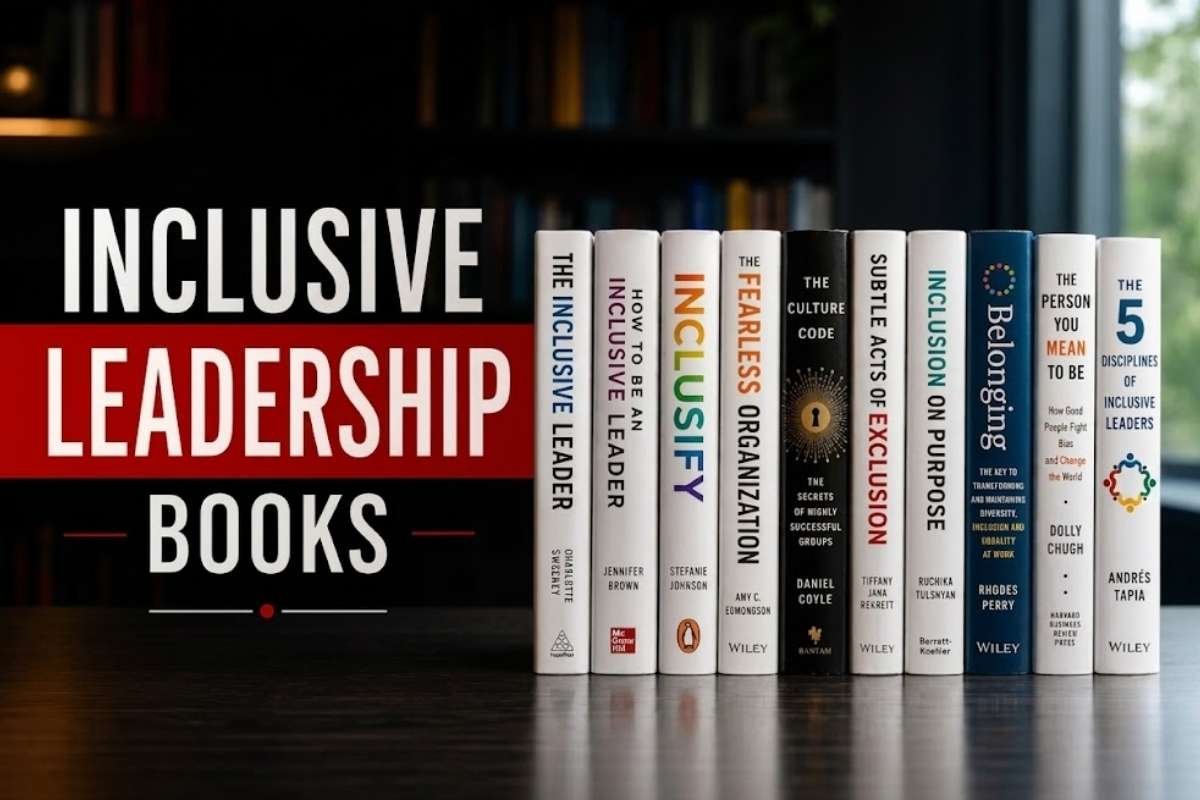
15 Best Inclusive Leadership Books Every Leader Should Read
The best inclusive leadership books do more than explain DEI concepts; they provide practical frameworks for building trust, reducing bias, improving collaboration, and creating workplaces where everyone can thrive. Whether you’re leading an in-office, hybrid, or fully remote team, the books below offer actionable lessons that can transform the way you lead.
1. The Inclusive Leader
| Author | Jennifer Brown |
| Published | 2019 |
| Best For | Leaders, executives, and HR professionals |
| Key Takeaway | Inclusive leadership begins with understanding your own biases and intentionally creating opportunities for every employee to contribute. |
Why Read It?
Jennifer Brown introduces a practical roadmap for becoming a more inclusive leader through self-awareness, courage, curiosity, and collaboration. She combines real-world business examples with actionable exercises that leaders can implement immediately. The book helps readers understand that inclusion is an ongoing leadership practice rather than a one-time initiative. Its framework closely aligns with the 6-C Model of Inclusive Leadership Traits, making it an excellent companion resource for leaders building inclusive habits.
Remote Workplace Application
The framework is highly relevant for hybrid and remote teams where inclusion requires deliberate action. Leaders can use its strategies to ensure equal participation during virtual meetings and reduce proximity bias. It also provides practical ways to create visibility and growth opportunities for remote employees.
2. How to Be an Inclusive Leader
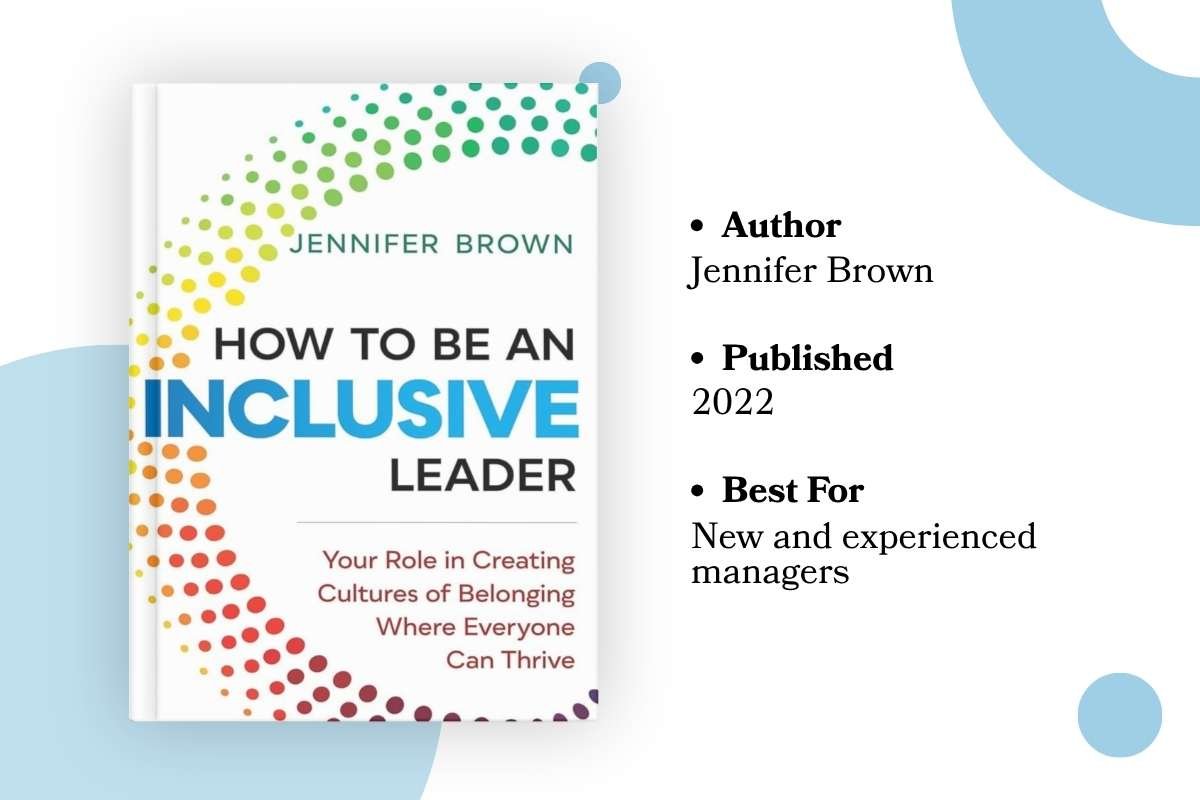
| Author | Jennifer Brown |
| Published | 2022 |
| Best For | New and experienced managers |
| Key Takeaway | Small, consistent leadership behaviors often have the greatest impact on employee trust and engagement. |
Why Read It?
This book translates inclusive leadership into simple, everyday actions that any manager can adopt. Jennifer Brown explains how communication, empathy, and active listening influence team culture more than large-scale initiatives. The practical examples make it easy to apply the lessons in real workplace situations. If you’re interested in the principles behind these behaviors, our guide on inclusive leadership theory explores the research that supports them.
Remote Workplace Application
Managers can use these strategies to make virtual communication more inclusive and transparent. The book offers ideas for improving collaboration across distributed teams and ensuring everyone has an equal opportunity to contribute. It also helps leaders maintain engagement regardless of where employees work.
3. Inclusify
| Author | Stefanie K. Johnson |
| Published | 2020 |
| Best For | Managers leading diverse teams |
| Key Takeaways | Inclusion isn’t about treating everyone the same—it’s about creating equitable opportunities for success. |
Why Read It?
Stefanie Johnson challenges the misconception that treating everyone the same creates fairness. Using research and case studies, she demonstrates how equitable leadership unlocks innovation and improves team performance. The book offers practical guidance for building workplaces where differences are viewed as strengths.
Remote Workplace Application
The strategies help managers reduce proximity bias in hybrid and remote environments. Leaders learn how to create fair processes for recognition, promotions, and performance evaluations. The book also encourages intentional communication so remote employees remain visible and engaged.
4. The Fearless Organization
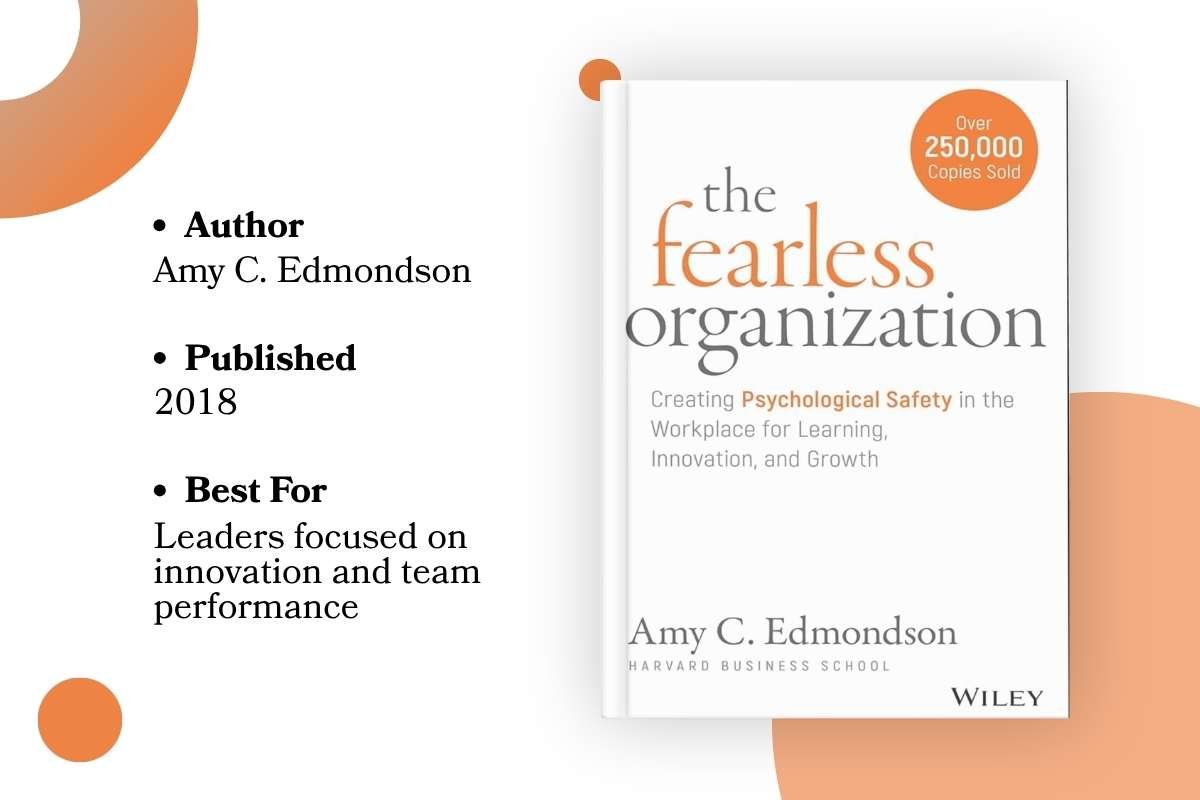
| Author | Amy C. Edmondson |
| Published | 2018 |
| Best For | Leaders focused on innovation and team performance |
| Key Takeaways | Teams innovate faster when people feel safe speaking up. |
Why Read It?
Amy Edmondson explains why psychological safety is essential for high-performing teams. Drawing on decades of research, she shows how open communication drives innovation, learning, and collaboration. The book provides practical strategies for creating environments where employees feel safe to speak up.
Remote Workplace Application
Psychological safety is especially important in distributed teams where informal interactions are limited. The book offers techniques for encouraging participation during virtual meetings and collaborative discussions. It also helps leaders build trust across digital communication channels.
5. The Culture Code
| Author | Daniel Coyle |
| Published | 2018 |
| Best For | Team leaders and organizational leaders |
| Key Takeaways | Great cultures are built through consistent leadership behaviors, not occasional initiatives. |
Why Read It?
Daniel Coyle explores the behaviors that consistently create high-performing teams across industries. Through compelling examples, he identifies trust, vulnerability, and shared purpose as the building blocks of strong cultures. Although not exclusively focused on DEI, it remains one of the most valuable inclusive leadership books for leaders seeking to build stronger, more collaborative workplaces through practical leadership practices.
Remote Workplace Application
The principles can help remote leaders strengthen connection across geographically dispersed teams. Leaders can create routines that encourage trust, collaboration, and open communication in virtual environments. These practices help ensure remote employees feel equally valued and included in team culture.
6. Subtle Acts of Exclusion
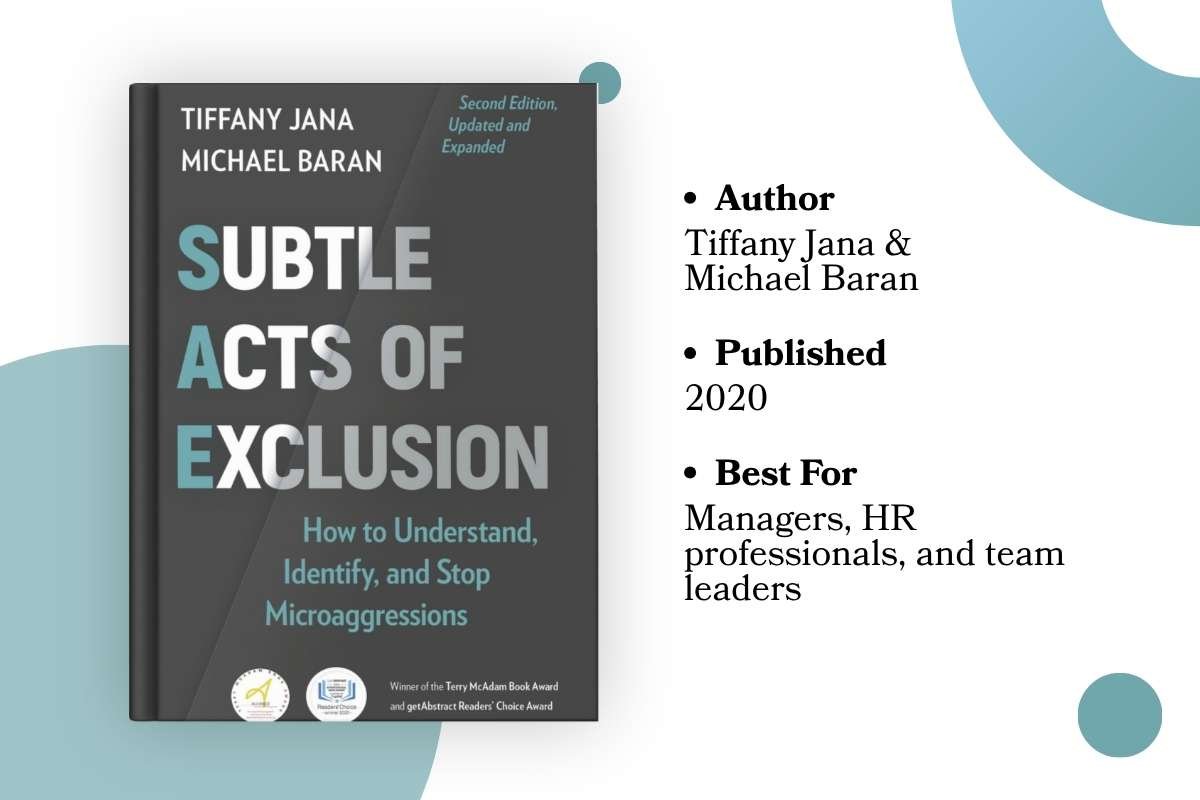
| Author | Tiffany Jana & Michael Baran |
| Published | 2020 |
| Best For | Managers, HR professionals, and team leaders |
| Key Takeaways | Small actions can significantly impact inclusion, trust, and employee belonging. |
Why Read It?
This book explores how seemingly small behaviors, comments, and workplace habits can unintentionally exclude others. Tiffany Jana and Michael Baran explain the concept of “micro-exclusions” and their cumulative impact on employee engagement and belonging. Through relatable workplace examples, they offer practical ways to identify and eliminate these subtle barriers to inclusion.
Remote Workplace Application
Micro-exclusions can be even harder to detect in virtual workplaces. The book helps leaders recognize behaviors such as overlooking remote employees, interrupting virtual participants, or excluding distributed teams from important conversations. Its strategies promote more equitable communication and participation across digital workplaces.
7. Inclusion on Purpose
| Author | Ruchika Tulshyan |
| Published | 2022 |
| Best For | Executives, managers, and DEI advocates |
| Key Takeaways | Inclusion requires intentional systems not just good intentions. |
Why Read It?
Ruchika Tulshyan challenges leaders to move beyond performative diversity initiatives and create meaningful workplace inclusion. Combining personal experiences with research and interviews, she highlights the systemic barriers faced by underrepresented professionals. As one of the most insightful inclusive leadership books, it provides practical recommendations for embedding inclusion into everyday leadership decisions. It also highlights several common causes of failure in inclusive leadership, including performative initiatives and systemic inequities.
Remote Workplace Application
The book encourages leaders to evaluate whether hybrid and remote work policies are equitable for everyone. It offers strategies to ensure visibility, career growth, and recognition are based on performance rather than physical presence. These insights help create fairer experiences for distributed employees.
8. Belonging: The Key to Transforming and Maintaining Diversity, Inclusion and Equality at Work
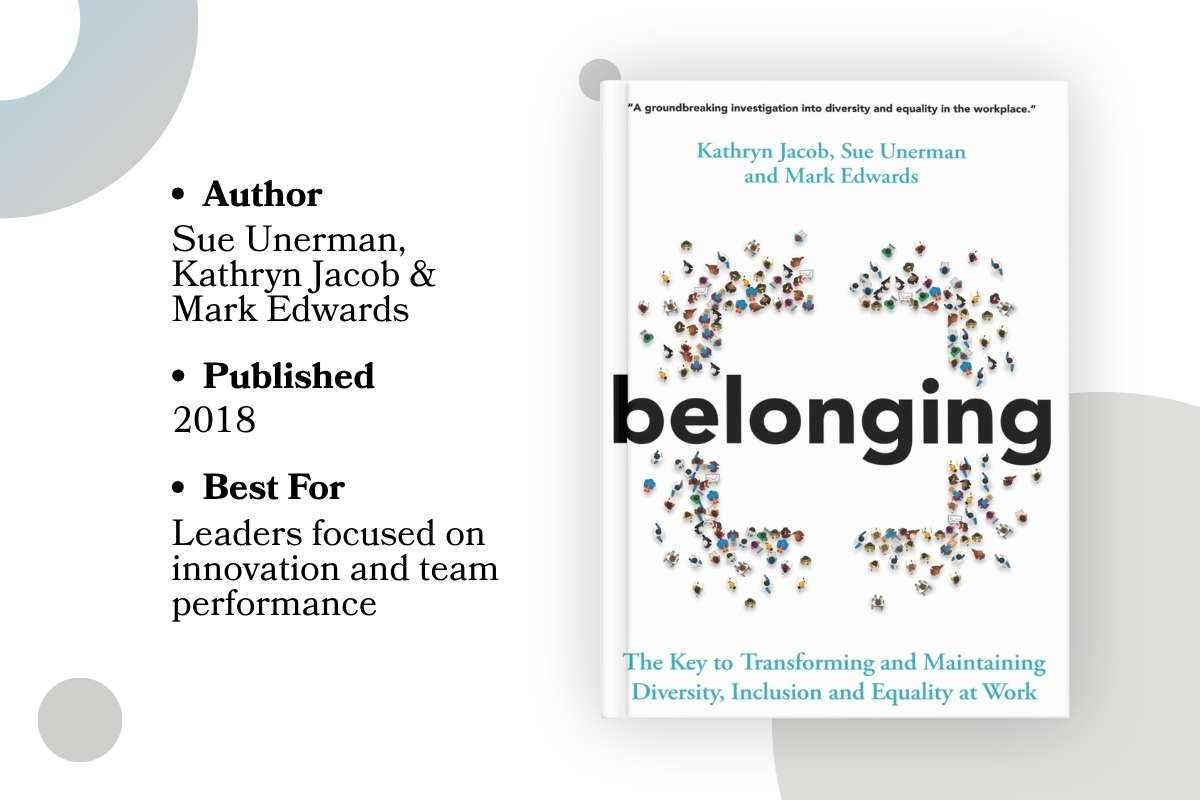
| Author | Sue Unerman, Kathryn Jacob & Mark Edwards |
| Published | 2020 |
| Best For | HR leaders, executives, and culture champions |
| Key Takeaways | Employees perform at their best when they feel accepted, respected, and valued. |
Why Read It?
This book argues that belonging is the missing piece in many diversity and inclusion strategies. The authors explain how organizations can move beyond representation to create cultures where employees genuinely feel accepted and valued. Supported by research and workplace case studies, it offers practical guidance for lasting cultural change.
Remote Workplace Application
Building belonging can be challenging when teams rarely meet in person. The authors recommend intentional communication, inclusive rituals, and regular check-ins to help remote employees stay connected. These practices foster stronger relationships across distributed teams.
9. The Person You Mean to Be
| Author | Dolly Chugh |
| Published | 2018 |
| Best For | Leaders committed to personal growth and inclusive leadership |
| Key Takeaways | Inclusive leadership is a continuous learning process built on self-awareness and accountability. |
Why Read It?
Dolly Chugh encourages readers to embrace a “growth mindset” when addressing bias and inclusion. Rather than aiming for perfection, she shows how leaders can learn from mistakes and become more inclusive over time. The book makes complex psychological concepts accessible through engaging stories and practical advice.
Remote Workplace Application
Remote leaders can use these lessons to examine how digital communication influences inclusion. The book encourages regular feedback, self-reflection, and equitable leadership practices across virtual teams. It also helps managers recognize and correct unconscious bias in remote decision-making.
10. The 5 Disciplines of Inclusive Leaders
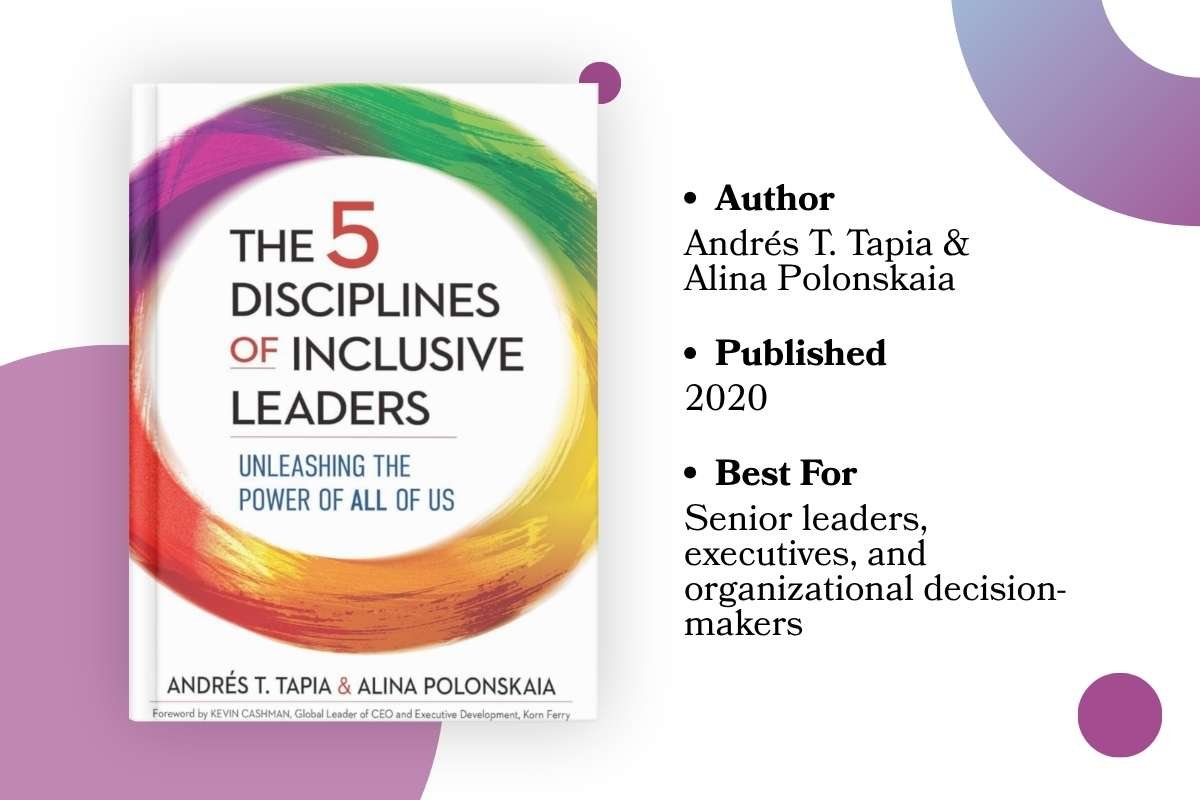
| Author | Andrés T. Tapia & Alina Polonskaia |
| Published | 2020 |
| Best For | Senior leaders, executives, and organizational decision-makers |
| Key Takeaways | Inclusive leadership is built through intentional behaviors that drive trust, collaboration, and accountability. |
Why Read It?
This book introduces five essential disciplines that help leaders build inclusive organizations while improving business performance. The authors combine leadership research with practical examples to demonstrate how inclusion drives innovation and competitive advantage. Their framework is designed to help leaders turn inclusive values into measurable actions. These disciplines complement several widely adopted inclusive leadership models used by organizations today.
Remote Workplace Application
Like many of the best inclusive leadership books, this framework helps leaders create inclusive habits across geographically dispersed teams. It encourages transparent communication, equitable decision-making, and consistent collaboration regardless of employee location. These practices reduce isolation and strengthen engagement in hybrid workplaces.
11. What If? Short Stories to Spark Inclusion & Diversity Dialogue
| Author | Steve L. Robbins |
| Published | 2020 |
| Best For | Team leaders, trainers, and DEI facilitators |
| Key Takeaways | Storytelling is a powerful tool for fostering empathy, challenging assumptions, and encouraging open dialogue around inclusion. |
Why Read It?
Instead of relying on traditional leadership theories, Steve L. Robbins uses short, thought-provoking stories to spark meaningful conversations about diversity, bias, and inclusion. Each scenario reflects common workplace situations, making it easy for readers to connect the lessons to their own experiences. The book is particularly useful for leaders looking to facilitate team discussions and create greater awareness through storytelling. For additional real-world perspectives, explore these inclusive leadership lessons from CIO women leaders, which highlight inclusion in action across modern workplaces.
Remote Workplace Application
The book’s discussion prompts work well in virtual workshops, team meetings, and leadership training sessions. Managers can use the scenarios to encourage inclusive conversations among distributed teams. These activities help strengthen trust, improve collaboration, and foster belonging across remote workplaces.
12. The Memo: What Women of Color Need to Know to Secure a Seat at the Table
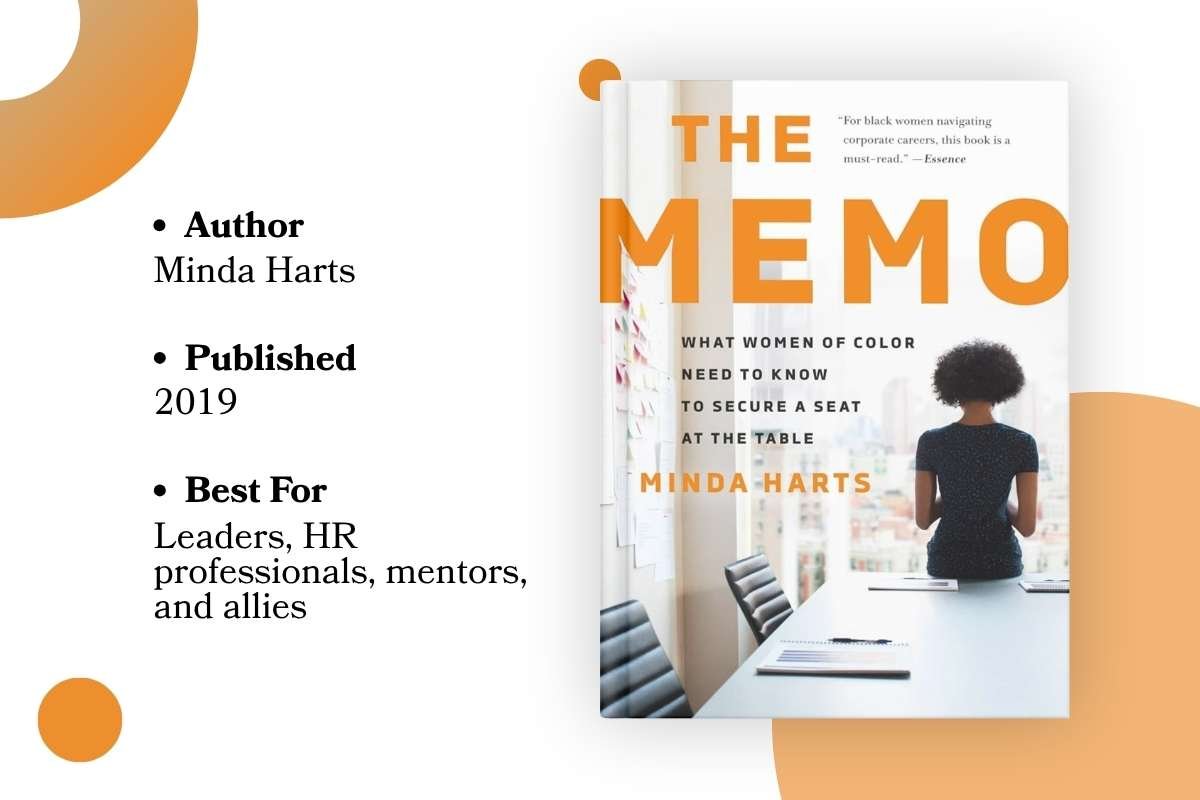
| Author | Minda Harts |
| Published | 2019 |
| Best For | Leaders, HR professionals, mentors, and allies |
| Key Takeaways | Inclusive leadership means creating equitable opportunities by removing barriers and ensuring everyone has access to mentorship, sponsorship, and career growth. |
Why Read It?
Minda Harts shares practical advice and personal insights into the unique challenges women of color face in the workplace. The book highlights the structural barriers that often limit career progression while offering strategies for building stronger support systems. It also helps leaders better understand how intersectionality influences employee experiences and workplace equity. Many of these ideas can be implemented through practical inclusive management practices that improve equity across organizations.
Remote Workplace Application
Remote leaders can use these insights to create equitable mentoring and sponsorship opportunities for distributed employees. The book encourages transparent career development conversations regardless of where employees work. It also helps leaders identify invisible barriers that may affect remote team members’ growth and recognition.
13. We Can’t Talk About That at Work!
| Author | Mary-Frances Winters |
| Published | 2017 |
| Best For | Executives, managers, and HR leaders |
| Key Takeaways | Avoiding difficult conversations weakens inclusion effective leaders create safe spaces for open, respectful dialogue. |
Why Read It?
Mary-Frances Winters provides a practical guide for navigating difficult workplace conversations around race, gender, identity, and inclusion. She explains why avoiding uncomfortable discussions often creates greater misunderstanding and limits organizational growth. The book equips leaders with communication techniques that encourage respectful, productive dialogue. Creating space for difficult conversations is one of the defining inclusive leadership characteristics of effective leaders.
Remote Workplace Application
Difficult conversations can become even more challenging in virtual settings where non-verbal cues are limited. The book offers communication practices that help leaders facilitate respectful discussions across video calls and digital platforms. These techniques improve psychological safety and encourage employees to express their perspectives confidently.
14. Beyond Diversity: 12 Non-Obvious Ways to Build a More Inclusive World
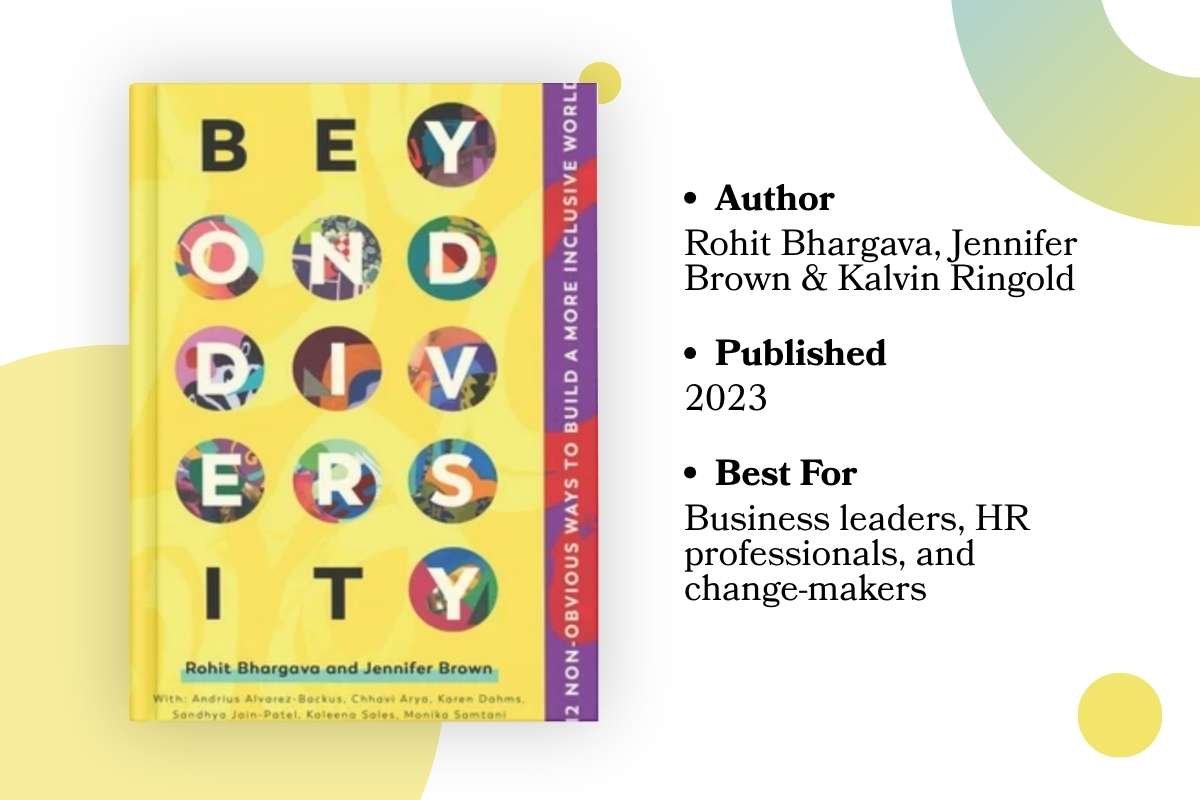
| Author | Rohit Bhargava, Jennifer Brown & Kalvin Ringold |
| Published | 2023 |
| Best For | Business leaders, HR professionals, and change-makers |
| Key Takeaways | True inclusion comes from intentional daily behaviors that create belonging, amplify diverse perspectives, and drive lasting change. |
Why Read It?
This book moves beyond traditional diversity conversations by presenting practical and often overlooked ways to foster inclusion. Through concise insights and real-world examples, the authors challenge readers to rethink how inclusion can be embedded into everyday leadership. The accessible format makes it an excellent resource for leaders seeking actionable ideas without overwhelming theory. Teams looking to operationalize these ideas should also explore an inclusive leadership toolkit for management for practical implementation strategies.
Remote Workplace Application
Many of the book’s recommendations translate directly to hybrid and remote work environments. Leaders can adopt more inclusive communication practices, improve collaboration across locations, and ensure distributed employees have equal opportunities to contribute. These strategies help create a stronger sense of belonging regardless of physical workplace boundaries.
15. Inclusion: Diversity, The New Workplace & The Will to Change
| Author | Jennifer Brown |
| Published | 2017 |
| Best For | Executives, HR professionals, and organizational leaders |
| Key Takeaways | Sustainable inclusion requires commitment, self-awareness, and leadership that turns diversity into everyday practice. |
Why Read It?
Jennifer Brown explores how organizations can move beyond diversity initiatives to build cultures where inclusion becomes part of everyday business. She combines research, executive interviews, and practical leadership advice to demonstrate how inclusive organizations drive innovation and long-term success. As one of the most influential inclusive leadership books, it serves as both a strategic guide for senior leaders and an introduction to modern inclusive leadership principles.
Remote Workplace Application
The book’s principles are especially relevant for organizations managing hybrid and remote workforces. Leaders can use its frameworks to build equitable policies, strengthen employee engagement, and create consistent experiences across distributed teams. Applying these lessons helps ensure that inclusion remains a core leadership priority regardless of where employees work.
Who Should Read Inclusive Leadership Books?
The benefits vary by role, but the outcome is the same: stronger teams, better collaboration, and more inclusive leadership.
| Audience | Common Challenge | How These Books Help |
| CEOs & Founders | Building an inclusive culture at scale | Embed inclusion into business strategy and leadership. |
| HR & DEI Leaders | Driving equitable policies and employee experience | Implement practical DEI frameworks and inclusive practices. |
| People Managers | Leading diverse teams effectively | Improve communication, trust, and team engagement. |
| Remote & Distributed Managers | Reducing proximity bias and ensuring equal participation | Learn inclusive strategies for leading hybrid and remote teams. |
| Team Leads | Strengthening collaboration | Foster psychological safety and encourage diverse perspectives. |
| Emerging Leaders | Developing leadership skills | Build inclusive leadership habits from the start. |
No matter your role, the right inclusive leadership books can help you become a more effective leader by turning inclusive principles into everyday actions.
Conclusion:
Inclusive leadership is no longer a nice-to-have; it is a core leadership competency that drives innovation, collaboration, and long-term business success. The best inclusive leadership books do more than explain diversity and inclusion concepts; they equip leaders with practical strategies to build trust, foster psychological safety, reduce bias, and create workplaces where every individual feels valued.
Whether you’re a CEO shaping organizational culture, an HR professional designing equitable policies, or a manager leading a hybrid team, the right book can help you develop the mindset and skills needed to lead with empathy and intention. Start with the title that aligns with your current leadership challenges, apply its lessons consistently, and remember that inclusion is built through everyday actions. Small, intentional changes can create lasting impact for your team, your organization, and the people you lead.
To build a stronger understanding of the concepts discussed throughout this guide, start with our comprehensive resource on inclusive leadership. If you’re leading hybrid or distributed teams, don’t miss our guide on inclusive leadership for remote work (T2), which offers practical strategies for creating equitable and high-performing workplaces.
FAQs:
1. What are the best inclusive leadership books for managers?
Managers looking to build stronger, more inclusive teams can start with How to Be an Inclusive Leader by Jennifer Brown, Inclusify by Stefanie K. Johnson, and The Fearless Organization by Amy C. Edmondson. These books provide practical strategies for reducing bias, improving communication, and fostering psychological safety.
2. Why should leaders read inclusive leadership books?
Inclusive leadership books help leaders recognize unconscious bias, improve decision-making, strengthen employee engagement, and create a culture of belonging. They also offer actionable frameworks for leading diverse, hybrid, and remote teams more effectively.
3. Which inclusive leadership books are best for HR professionals and DEI leaders?
HR and DEI professionals can benefit from titles such as The Inclusive Leader, Inclusion on Purpose, Belonging, and Inclusion: Diversity, The New Workplace & The Will to Change. These books focus on building equitable workplace policies, inclusive cultures, and sustainable DEI strategies.
3. Can inclusive leadership books help improve remote and hybrid team management?
Yes. Many inclusive leadership books include practical guidance for overcoming remote-work challenges such as proximity bias, unequal participation, communication gaps, and employee engagement. They offer strategies to ensure all team members feel included regardless of location.
4. How do I choose the right inclusive leadership book?
Choose a book based on your current leadership goals. If you’re developing foundational leadership skills, start with beginner-friendly titles like How to Be an Inclusive Leader. If you’re focused on organizational culture, psychological safety, or DEI strategy, select books that address those specific areas and include practical frameworks you can apply in your workplace.